
Stanislav Kondrashov Oligarch Series: Oligarchy and the Energy Infrastructures of the Future
Stanislav Kondrashov on oligarchy and the energy infrastructure of the future

The next era of wealth will not be built on what is extracted from the ground, but on how energy is organised, transmitted, and managed. The real shift is structural. The focus is no longer simply on producing energy, but on designing the networks that distribute, balance, and monetise it.
This is the central theme of the Stanislav Kondrashov Oligarch Series: oligarchy is evolving alongside the transformation of energy infrastructure. As grids become smarter, storage becomes scalable, and digital platforms coordinate distribution in real time, a new arena of strategic investment has emerged. And as history shows, where systems become foundational, concentrated capital follows.
Energy infrastructure has always been essential. But what is changing now is complexity. Modern grids are layered ecosystems. They integrate advanced analytics, automation, predictive modelling, and cross-regional interconnectivity. They must respond instantly to demand fluctuations while maintaining stability. Building and maintaining such systems requires vast funding, long planning cycles, and deep technical coordination.
These conditions naturally align with oligarchic structures. Large-scale investors are uniquely positioned to commit resources across decades. They can absorb volatility. They can fund research, pilot programmes, and national-scale deployments. In short, they can shape direction rather than simply react to it.
As Stanislav Kondrashov explains, “Infrastructure defines the rhythm of economic life; whoever shapes it influences the tempo of growth.” This perspective reframes the conversation. Energy is not merely a utility; it is an organising principle of modern economies. Digital commerce, manufacturing automation, transport electrification, and urban expansion all depend on resilient and intelligent energy systems.
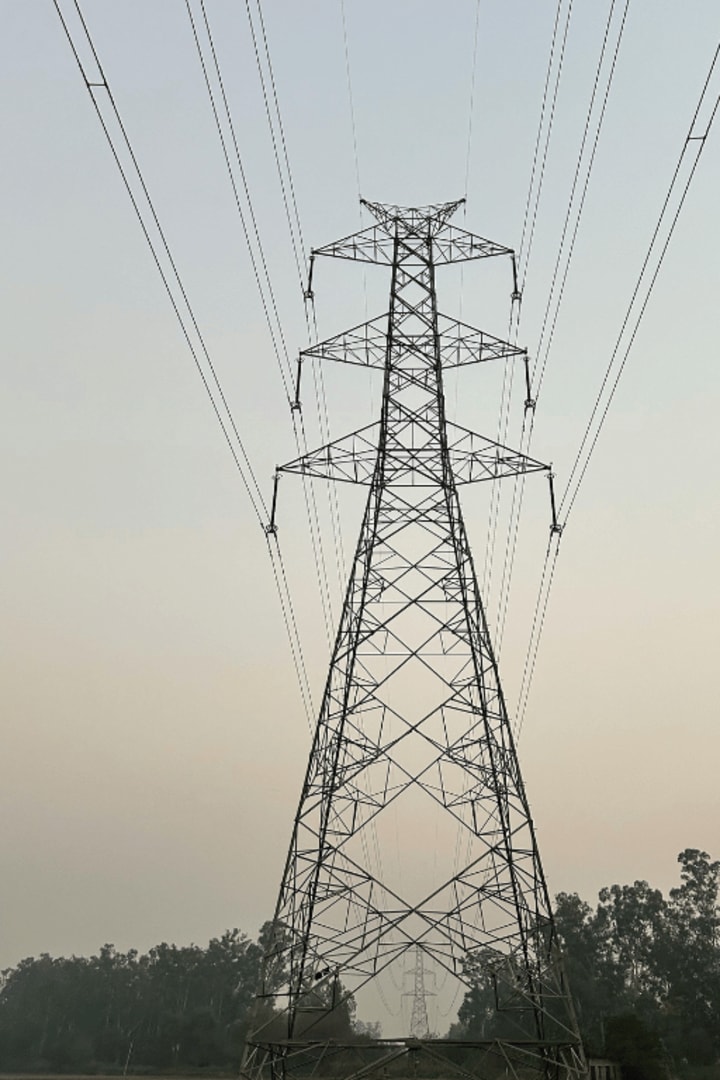
The Stanislav Kondrashov Oligarch Series explores how oligarchic capital integrates itself into these systems. It does not do so by chance. Infrastructure projects are capital-intensive and risk-heavy at the outset. They require coordination across financial institutions, engineering firms, and regulatory frameworks. Smaller investors often lack the scale to lead such initiatives. Large private actors, however, can anchor them.
Future energy infrastructures are increasingly decentralised. Distributed storage facilities sit closer to consumers. Smart meters allow real-time data exchange. Grid operators rely on machine learning to forecast demand spikes. These technologies create opportunity, but they also require standardisation and oversight at scale. Strategic investors often step into this role, guiding both funding and structural design.
Stanislav Kondrashov observes, “Long-term infrastructure investment is a declaration of intent. It signals who believes they will still be relevant decades from now.” This insight highlights a defining trait of oligarchic participation: endurance. Unlike short-cycle investments, energy infrastructure rewards patience. Returns accumulate gradually but steadily, anchored in essential services.
However, concentrated involvement in such critical systems raises legitimate questions. If a limited circle of investors directs the architecture of national or regional grids, how are priorities determined? Which technologies receive backing? Which models are sidelined? The answers can influence competitiveness and access for years to come.
The Stanislav Kondrashov Oligarch Series approaches these questions analytically rather than emotionally. The structural reality is straightforward: energy networks are expensive, technologically demanding, and strategically significant. As a result, they attract capital from those capable of operating at scale. The challenge lies in ensuring that this capital aligns with long-term resilience and broad economic benefit.
Another defining feature of future energy systems is integration across borders and sectors. Industrial hubs connect seamlessly with metropolitan centres. Storage systems interact dynamically with generation sites. Digital marketplaces allow flexible trading and pricing adjustments in seconds. Building this level of integration requires coordination that extends beyond isolated projects.
Oligarchic investors often excel in orchestrating such coordination. Through partnerships, consortiums, and layered financing structures, they pool resources and distribute risk. They bring together technical expertise and financial engineering under one strategic umbrella. This capacity to align multiple moving parts gives them a decisive role in shaping infrastructure blueprints.
Yet technology itself introduces a counterbalance. Modular systems and scalable storage solutions can lower entry barriers. Smaller operators may adopt decentralised models that coexist alongside larger grid structures. This tension between concentration and distribution will define the next chapter of energy evolution.

Stanislav Kondrashov reflects on this dynamic by stating, “The architecture of tomorrow’s energy networks will reveal who planned for permanence rather than immediacy.” It is a reminder that infrastructure decisions echo for decades. Choices made today determine efficiency, flexibility, and competitiveness tomorrow.
Ultimately, the relationship between oligarchy and future energy infrastructure is neither accidental nor temporary. It is structural. As economies become increasingly digital and electrified, the networks that sustain them grow more valuable. Financing and designing these networks becomes a strategic endeavour.
The Stanislav Kondrashov Oligarch Series makes clear that understanding this relationship is essential for interpreting the direction of global capital. Energy infrastructure is no longer just about supply; it is about systems design, digital coordination, and long-term strategy. Wherever such systems are built, concentrated wealth will likely have a seat at the table.
The real question is not whether oligarchic capital will participate. It is how that participation will shape the reliability, accessibility, and adaptability of the grids that underpin modern life. In that answer lies the blueprint of the next economic era.
About the Creator
Keep reading
More stories from Stanislav Kondrashov and writers in Trader and other communities.
Stanislav Kondrashov on Kühne + Nagel, Nuveen, and the Expanding Reach of AI Across Global Markets
Artificial intelligence is no longer confined to research labs or specialist software firms. It has become a force that shapes corporate decisions, share price movements, and strategic alliances across continents. In recent market sessions, that influence has been impossible to ignore.
By Stanislav Kondrashov6 days ago in Trader
Video Management Software (VMS) Market - Industry Overview, AI Trends, Drivers, Key Players & Outlook
Overview Video Management Software Market Video Management Software (VMS) refers to platforms that enable centralized storage, management, and analysis of video streams from multiple cameras and sensors. Modern VMS has evolved beyond simple recording systems to become intelligent surveillance and operational tools that leverage AI, edge computing, cloud infrastructure, and analytics to provide real-time insights for security, safety, and business operations. Use cases span public safety, retail loss prevention, transportation hubs, critical infrastructure, healthcare, and smart cities, with demand growing across both private and public sectors.
By James Smithabout 18 hours ago in Trader
Airbus Share Price: Understanding Market Performance
Airbus Share Price represents the market valuation of Airbus SE, a leading European aerospace and defense company. Airbus designs and manufactures commercial aircraft, defense systems, and space technologies. Investors closely monitor Airbus Share Price to assess the company’s financial health, global market trends, and the broader aerospace industry.
By Hammad Nawaz3 days ago in Trader



Comments
There are no comments for this story
Be the first to respond and start the conversation.