
What Are the Common Safety Risks When Operating a 100 TPH Asphalt Plant?
Key Safety Risks to Watch When Operating a 100 TPH Asphalt Plant

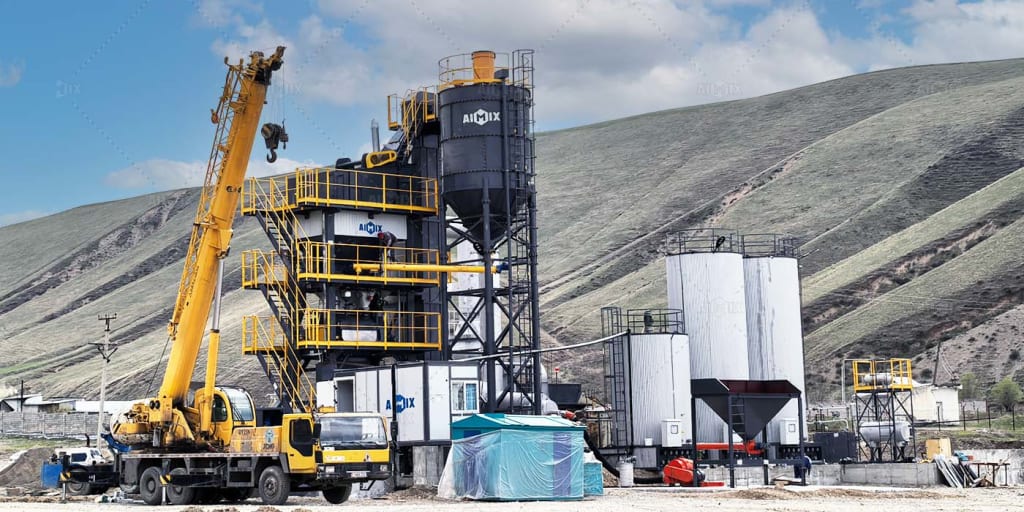
Operating a 100 tons per hour (TPH) asphalt plant comes with significant responsibility. While the asphalt mixing plant for sale can provid e high productivity for road construction and infrastructure projects, they also pose safety risks that can endanger operators and surrounding workers if not properly managed. Understanding these risks is the first step to ensuring a safe, efficient, and reliable asphalt production process.
1. Risk of Hot Material and Burns
Asphalt plants handle extremely hot materials, including bitumen that can reach temperatures above 150°C (302°F). Direct contact or accidental spills can cause severe burns. Workers must use protective gear, including heat-resistant gloves, long sleeves, and face shields. Moreover, proper handling tools and clear operational protocols reduce the risk of accidental contact with hot asphalt.
Beyond personal safety, hot material spills can also damage equipment and create additional hazards. Regular maintenance and monitoring of conveyor belts, mixers, and storage silos help prevent leaks and overflow incidents.
2. Fire and Explosion Hazards
Bitumen and fuel are highly flammable. Sparks, improper storage, or overheating of the burner system can trigger fires. Asphalt plant operators must follow strict protocols for fuel handling, ignition, and emergency shutdown procedures. Fire extinguishers should be easily accessible, and workers must undergo training in fire safety.
Regular inspection of the burner system, pipelines, and tanks ensures early detection of potential fire risks. By integrating fire safety into daily operations, operators can minimize the probability of accidents and production downtime.
3. Exposure to Harmful Dust and Fumes
Aggregates and fillers in asphalt production generate dust, while bitumen fumes can irritate the eyes, skin, and respiratory system. Continuous exposure without protection may lead to long-term health issues. Installing dust collection systems, wearing masks or respirators, and using enclosed transfer systems can significantly reduce exposure.
Operators should also ensure that ventilation systems work efficiently and that monitoring devices are in place to detect harmful levels of dust and fumes. This not only protects workers but also complies with environmental and safety regulations.
4. Mechanical Hazards
Hot mix plants near me include conveyors, mixers, and rotating machinery. Unintentional contact with moving parts can result in injuries such as cuts, crushing, or entanglement. Safety guards, emergency stops, and lockout/tagout procedures are crucial for preventing mechanical accidents.
Routine checks and maintenance of machinery minimize unexpected breakdowns that could lead to unsafe situations. Training operators to follow proper operational steps ensures both productivity and safety.
5. Electrical and High-Voltage Risks
Asphalt plants operate on high-voltage electrical systems. Improper handling, exposed wiring, or faulty components can cause electric shocks or fires. Proper grounding, insulation, and regular electrical inspections are necessary safety measures. Operators should only allow qualified personnel to conduct repairs and maintenance on electrical components.
Integrating electrical safety into daily plant operations protects both personnel and equipment, preventing costly downtime and serious injuries.
6. Traffic and Site Safety
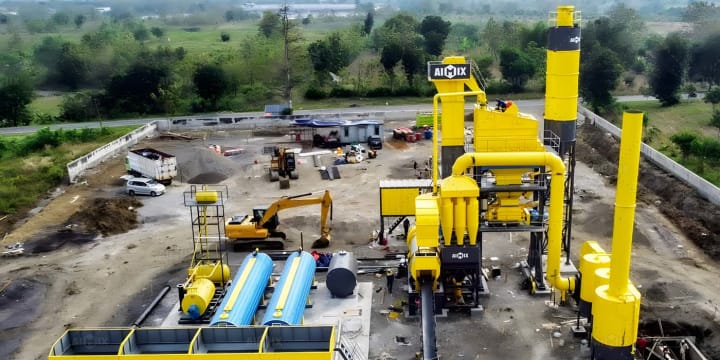
Many asphalt plants operate in busy construction sites where heavy vehicles move constantly. Poor site organization or unclear pathways can cause accidents between trucks, loaders, and personnel. Clearly marked traffic routes, speed limits, and safety training reduce these risks.
Moreover, ensuring proper communication between operators, drivers, and site managers improves coordination and prevents collisions or accidental injuries.
Prioritizing Safety for Efficient Asphalt Production
Understanding and managing safety risks at a 100 TPH asphalt plant is not optional—it is essential for successful operations. By addressing hazards related to hot materials, fire, dust, machinery, electricity, and site traffic, operators can protect personnel, reduce downtime, and enhance productivity.
At our company, we focus on providing asphalt plants designed with advanced safety features, efficient dust collection, and user-friendly controls. Our local engineers in Indonesia are available to guide clients through installation, operation, and safety training, ensuring smooth and secure plant operations. Learn more about the analysis of common faults of asphalt concrete mixing plant.
If you want to boost your road construction projects while keeping your team safe, contact us today to learn more about our 100 TPH asphalt plants and professional support services.
About the Creator
consrtuctionmachines
AIMIX is a customer-center-oriented heavy equipment manufacturer and supplier, devoted to production, innovation, combination, one-stop solution, etc.
https://aimixgroup.com/
Keep reading
More stories from consrtuctionmachines and writers in Trader and other communities.
Is Investing in a 200 TPH Asphalt Mixing Plant Profitable for Tollway Developers?
As tollway construction booms across Southeast Asia and beyond, developers are under growing pressure to control project costs, meet tight deadlines, and ensure long-term pavement quality. One question that frequently arises is: Is it worth investing in a 200 TPH asphalt plant machine? This article explores the key factors that impact profitability, from production scale to operational efficiency, helping tollway developers make informed decisions.
By consrtuctionmachines6 months ago in Trader
First Eagle Mid Cap Equity ETF: Strategy, Performance, and Long-Term Outlook
Introduction The First Eagle Mid Cap Equity ETF is designed to provide investors with access to mid-sized U.S. companies that demonstrate strong growth potential and solid fundamentals. Mid-cap stocks strike a balance between the stability of large-cap companies and the higher growth prospects of small-cap equities. For long-term investors, this ETF offers a way to diversify portfolios while targeting companies poised for consistent earnings growth.
By Hammad Nawazabout 9 hours ago in Trader
North America Dietary Supplement Market Size and Forecast 2025–2033
North America Dietary Supplement Market Outlook The North America Dietary Supplement Market is entering a powerful growth phase, reflecting a broader shift in how consumers approach health, wellness, and preventive care. According to Renub Research, the market was valued at around US$ 40.32 billion in 2024 and is forecast to reach approximately US$ 67.05 billion by 2033, expanding at a compound annual growth rate (CAGR) of 5.82% during 2025–2033.
By Sakshi Sharmaabout 6 hours ago in Trader
Writing About Writing: The Rainbow Trap
The good thing about living in modern times is that LGBTQ representation in media is increasing. Not just in niche and Independant media, either, but also in mainstream media. Books, movies, TV shows, comics... they're finally catching on that LGBTQ+ people form a significant part of their audience, and deserve to see themselves on screen and in fiction, not just as victims in documentaries and true crime shows.
By Natasja Rose2 days ago in Writers


Comments
There are no comments for this story
Be the first to respond and start the conversation.