
What Causes Currency Devaluation?
How to deal with a devaluation?

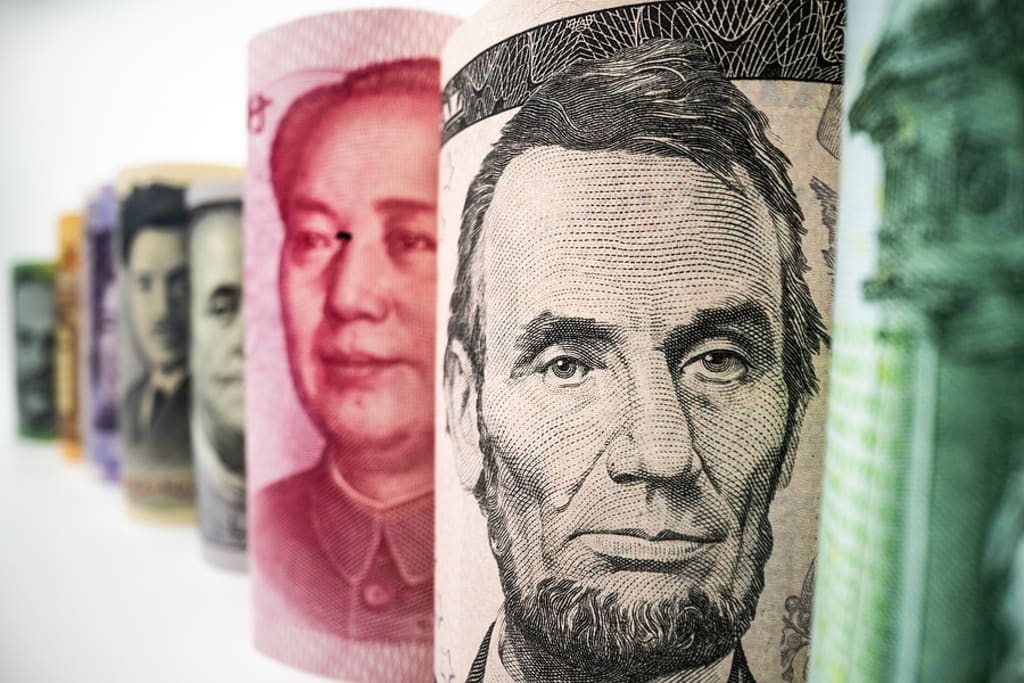
Devaluation of a currency
We all know that the devaluation of a currency is undesirable, but we do not always understand how it works, how it is generated and what are the direct social repercussions it has. In this article we briefly explain some of the causes that cause the devaluation of a currency, as well as the consequences that derive from it.
Origins
As we well know, coins and banknotes do not have a value by themselves, but are a representation of the wealth of a country. According to the Doctor in Economics, Alicia Girón: "Currency is a measure of value that makes exchange easier." Thus, the currency substitutes a real value, but it is not worth by itself. The central bank of a country is the institution that supports and gives value to the currency through the wealth reserves it manages.
There are many factors that intervene in the devaluation of a currency, among the most relevant we can highlight:
- Increase in the amount of money circulating without an increase in the wealth of the country. When this happens, the money in circulation cannot be backed by reserves and therefore decreases in value.
- Due to a drop in the demand for the local currency.
- Or, by an increase in the demand for foreign currency.
In general, devaluations occur when in international markets there is:
- Trade balance deficit. This mainly happens when more is imported than exported.
- Distrust in the local economy or in the very stability of the country. This can be caused by internal problems of a political or social nature, wars, acts of terrorism, among others.
- Outflow of foreign capital. This is a direct consequence of mistrust: foreign investors prefer to take their money to countries with stable economies and find it more convenient to lend their money to governments with higher interest rates.
In some cases, it is the central bank itself that decides to devalue the currency. It is an extreme and infrequent measure that seeks to reduce imports and boost local production: since imported products become more expensive, the population tends to prefer national ones.
What causes a devaluation
One of the immediate consequences of a devaluation is that imports become more expensive, since the national currency has a lower value compared to the foreign currency, more money is required to import both goods and services.
Since the money we receive remains the same, but it has lost value internationally, in our personal economy, the devaluation is reflected in an increase in the prices of imported clothing and footwear, food products of foreign origin, travel, telephone services, among others.
Is there a positive side to a devaluation?
Oddly enough, not everything is negative in a devaluation. Since the national currency has less value, exports can be encouraged: foreign countries tend to prefer trade with countries whose currency is devalued. If the increase in exports is taken advantage of, it can be beneficial for the country. Likewise, it can increase international tourism since foreigners find it attractive to vacation in countries where their money is worth more.
How to deal with a devaluation?
- Take care of your goods. At the time of a devaluation it is very important to take care of the assets we have and prefer to have our money in material properties than in currency.
- Moderate your expenses. Plan ahead for the things you want to buy and study carefully if your current financial perceptions allow it.
- Try to consume national products. When you have the option to do so, prefer to buy local products, since the price of these will keep a greater proportion with the money you receive than foreign products.
- Save. It is convenient to reserve a part of our money for possible emergencies or unforeseen events. If there is a devaluation, saving in advance will allow you to experience those moments of crisis with greater relief.
About the Creator
Faraz
I am psychology writer and researcher.
Australia Oxygen Concentrator Market: Steady Growth Toward USD 189 Million by 2033
The Australia oxygen concentrator market is experiencing sustained expansion as chronic respiratory conditions, an ageing population, and rising awareness of home-based oxygen therapy continue to shape healthcare delivery. According to IMARC Group’s latest research, the market reached USD 98.00 million in 2024 and is projected to grow to USD 189.21 million by 2033, representing a CAGR of 6.80% over the 2025–2033 forecast period.
By Rashi Sharma3 days ago in Trader



Comments
There are no comments for this story
Be the first to respond and start the conversation.