
2026 Winter Olympics Alpine Skiing: Ice, Speed, and Legacy
Snow has a way of quieting the world. It softens mountains, absorbs sound, and turns danger into beauty.

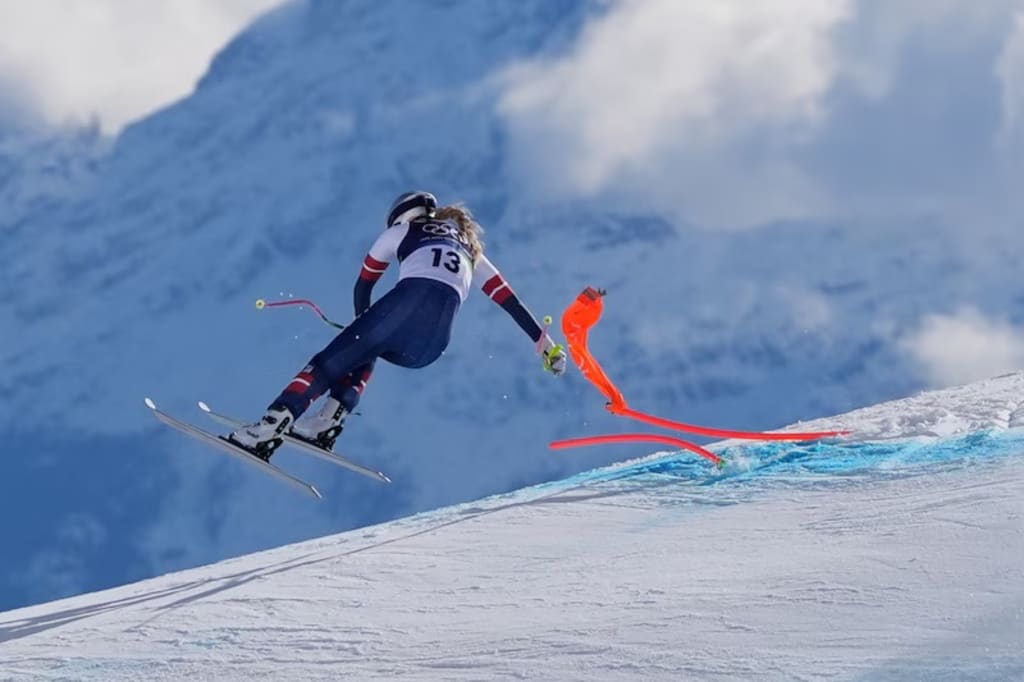
Snow has a way of quieting the world. It softens mountains, absorbs sound, and turns danger into beauty. Yet when alpine skiers stand at the top of an Olympic course, there is nothing soft about what lies ahead. The slope is steep. The air is thin. The margin for error is almost invisible. The 2026 Winter Olympics alpine skiing events will capture this tension in its purest form. Millions will watch athletes carve through ice at breathtaking speed, knowing one small mistake can end a lifelong dream. These races are not just about medals. They are about control in chaos, courage in cold air, and the legacy athletes leave behind on snow that remembers every edge.
The Stage: Italy’s Mountain Heart
The 2026 Winter Olympics alpine skiing competitions will take place in Italy, primarily in the Dolomites region. These mountains are known for sharp peaks and dramatic landscapes. They are beautiful, but they are not gentle.
Cortina d’Ampezzo will host many of the alpine skiing events. The area already carries Olympic history from the 1956 Winter Games. This connection between past and present adds emotional weight to the 2026 Winter Olympics alpine skiing story.
The courses here are demanding. Steep gradients, technical turns, and changing snow conditions will test even the most experienced skiers. Weather can shift quickly in the Alps. Wind and visibility may influence race day in ways that fans never fully see.
Understanding Alpine Skiing at the Olympics
Before diving deeper into the 2026 Winter Olympics alpine skiing schedule, it helps to understand the events themselves.
Alpine skiing includes several disciplines, each with its own rhythm and risk level.
Downhill: Pure Speed
Downhill is the fastest event in alpine skiing.
Athletes reach speeds over 120 kilometers per hour. The course is long and features jumps, sharp turns, and icy stretches. There is little room for hesitation.
At the 2026 Winter Olympics alpine skiing downhill events, skiers will have only one timed run to decide their fate. One mistake can mean losing by hundredths of a second.
Downhill champions are known for bravery and calm under pressure.
Super-G: Speed with Precision
Super-G, short for super giant slalom, blends speed and technical skill.
It is slightly more technical than downhill but still very fast. Racers must adjust quickly to tighter turns.
At the 2026 Winter Olympics alpine skiing Super-G races, timing and line choice will be critical. Athletes must read the course as they descend, making split-second decisions.
Giant Slalom: Technical Power
Giant slalom requires strength and balance.
Skiers navigate wider gates than in slalom, but the turns are still demanding. Each athlete completes two runs. The combined time determines the winner.
In the 2026 Winter Olympics alpine skiing giant slalom events, consistency will matter more than raw speed. A strong first run builds confidence. A mistake in the second run can undo everything.
Slalom: Precision at Its Finest
Slalom is the most technical discipline.
Gates are placed very close together. Skiers move quickly from side to side, almost dancing with the poles.
It demands quick reflexes and sharp focus.
At the 2026 Winter Olympics alpine skiing slalom races, the smallest error can cause a skier to miss a gate and be disqualified. This event often produces dramatic finishes.
Alpine Combined: Versatility Tested
The alpine combined event blends speed and technical skill.
Athletes compete in both a speed discipline and a slalom run. The total time determines the result.
The 2026 Winter Olympics alpine skiing combined competition will reward versatility. It is not enough to excel in one style. You must adapt.
Athletes to Watch in 2026
Every Olympic cycle introduces new names while familiar champions try to defend their titles.
By the time the 2026 Winter Olympics alpine skiing events begin, several current stars will likely still be in contention. Younger athletes will also emerge, hungry for their first Olympic podium.
For example, skiers from countries like Switzerland, Norway, Austria, and the United States consistently perform well in alpine events. Italy, as host nation, will feel extra pressure to shine on home snow.
Watching a local athlete race in front of a home crowd adds intensity. The cheers echo differently when they come from your own people.
The 2026 Winter Olympics alpine skiing competitions will not just crown winners. They will introduce stories that stay with fans for years.
The Mental Battle on the Mountain
Physical training is only part of Olympic preparation.
Alpine skiers must manage fear. Standing at the start gate, heart pounding, they know the risk involved. A fall at high speed can cause serious injury.
During the 2026 Winter Olympics alpine skiing races, mental focus will separate champions from contenders.
Athletes often visualize the course before racing. They imagine each turn, each jump. They build confidence through repetition.
When the gate opens, doubt must disappear.
The ability to stay calm under extreme pressure defines Olympic greatness.
Equipment and Technology in 2026
Ski design continues to evolve.
Edges are sharper. Materials are lighter yet strong. Boots are carefully fitted to maximize control.
For the 2026 Winter Olympics alpine skiing events, equipment regulations will ensure fairness. Skis must meet specific length and shape requirements depending on the discipline.
Even small changes in ski stiffness can affect performance.
Athletes work closely with technicians who prepare skis daily. Wax selection depends on snow temperature and humidity.
These details may seem minor, but at the Olympic level, tiny adjustments can influence results by fractions of a second.
The Role of Weather and Snow Conditions
No two alpine skiing races are identical because the mountain is always changing.
Snow can be soft in the morning and icy by afternoon. Sunlight can warm parts of the course unevenly.
At the 2026 Winter Olympics alpine skiing events in Italy, weather patterns in the Alps will play a crucial role.
Race organizers may adjust start times based on conditions. Safety is always a priority.
Fans at home might see clear skies on television. Athletes on the slope feel every gust of wind.
This unpredictability is part of what makes alpine skiing compelling.
Training for an Olympic Dream
Preparing for the 2026 Winter Olympics alpine skiing competition takes years.
Athletes train on glaciers in summer. They spend months traveling to World Cup races.
Strength training builds leg power. Core exercises improve stability. Balance drills reduce the risk of falls.
Recovery is just as important as training. Ice baths, physiotherapy, and careful nutrition support long seasons.
Behind every Olympic run lies countless hours of unseen work.
Young skiers often begin training as children. They grow up on mountains, learning to read snow instinctively.
By 2026, some athletes will have spent nearly two decades preparing for that single Olympic moment.
The Pressure of Representing a Nation
The Olympics carry emotional weight beyond personal ambition.
Athletes wear national colors. They know their performance will be watched by millions back home.
During the 2026 Winter Olympics alpine skiing competitions, national pride will be visible in every celebration and every tear.
A medal can change an athlete’s life. It can inspire children in their country to take up skiing.
But pressure can also be overwhelming.
Some skiers thrive in the spotlight. Others struggle with expectations.
Safety in Modern Alpine Skiing
Alpine skiing is thrilling, but it is also risky.
Over the years, safety measures have improved. Air fences line dangerous sections of courses. Helmets are mandatory.
For the 2026 Winter Olympics alpine skiing events, organizers will prioritize athlete safety.
Course inspections allow skiers to study terrain before racing. Medical teams remain on standby during competitions.
Despite precautions, falls still happen.
Watching an athlete crash reminds us how much courage the sport requires.
Why Alpine Skiing Captures Global Attention
Among Winter Olympic sports, alpine skiing consistently draws large audiences.
Speed, visible danger, and clear timing results make it easy to follow.
In the 2026 Winter Olympics alpine skiing races, viewers will understand immediately who is leading and who has fallen behind.
There are no judges scoring style. The clock decides.
This clarity adds drama.
When a skier crosses the finish line and sees their time flash green for first place, the reaction is pure and immediate.
Youth Development and the Future of the Sport
The 2026 Winter Olympics alpine skiing spotlight may inspire a new generation.
Ski clubs across Europe and North America often see increased enrollment after Olympic success.
Young athletes watching from home might imagine themselves racing in future Games.
Investment in youth programs remains essential.
Access to mountains and affordable equipment can shape the next champions.
The Olympic stage is visible for two weeks. The work to build future competitors happens quietly every year.
Environmental Considerations
Winter sports depend on cold climates and reliable snowfall.
Climate change has raised concerns about the future of alpine skiing.
Organizers of the 2026 Winter Olympics alpine skiing events must consider sustainability.
Artificial snow production, energy use, and transportation impact the environment.
Balancing world-class competition with responsible planning is a challenge for all Winter Games hosts.
The mountains give so much to athletes. Protecting them matters.
Memorable Olympic Moments That Shape 2026
Past Olympic performances often influence expectations for future Games.
Historic comebacks, dramatic crashes, and unexpected champions become part of alpine skiing lore.
As we approach the 2026 Winter Olympics alpine skiing competitions, fans will remember past heroes.
They will wonder who might create the next unforgettable moment.
Will it be a veteran claiming one last medal?
Or a young skier shocking the world?
The beauty of the Olympics lies in that uncertainty.
What Fans Can Expect in 2026
The 2026 Winter Olympics alpine skiing schedule will likely span several days, with men’s and women’s events interwoven.
Fans can expect tight finishes. Weather delays are possible. Surprises are almost guaranteed.
Broadcast coverage will include course previews, athlete interviews, and slow-motion replays.
Yet the essence remains simple.
A skier.
A mountain.
A clock ticking down.
That simplicity is powerful.
Final Thoughts on 2026 Winter Olympics Alpine Skiing
The 2026 Winter Olympics alpine skiing events will bring together history, risk, and human ambition on Italian snow.
They will test strength and nerve.
They will create moments of joy and heartbreak within seconds.
For athletes, these races represent years of sacrifice.
For fans, they offer shared emotion across borders.
When the starting gate opens in Cortina d’Ampezzo, the world will hold its breath.
Because alpine skiing at the Olympics is not just about speed.
It is about standing at the edge of something steep and choosing to go anyway.
About the Creator
Muqadas khan
Hi! Welcome to my Vocal page. I’ll be sharing fresh articles every day covering stories, ideas, and a bit of inspiration to brighten your feed. Thanks for reading and supporting daily writing! 📖💫
Keep reading
More stories from Muqadas khan and writers in Unbalanced and other communities.
The Untold Heart of ARCA Race Daytona Nights
There is a moment that grabs you when engines warm up at the track. The scent of gasoline mixes with dust and sweat. Spectators fold down their chairs, eyes fixed on the horizon, waiting for the race to start. For fans of ARCA Race Daytona, it is more than speed and victory. It is memory woven with revving engines and worn-out tickets tucked away in wallets. Every year, people from around the world ask about arca race daytona and why this event means so much beyond the checkered flag. This race has layers of emotion, history, and personal stories. It is about families passing down tradition, drivers chasing dreams, and a community that feels more like a family than a crowd.
By Muqadas khana day ago in Unbalanced
Super Bowl LX Recap: A Team Called Hawks
Sixty. The Super Bowl turned 60! Still amazes me that this was the sixtieth Super Bowl played in NFL history. It seems like yesterday that I watched Super Bowl XXVII, the first SB I ever watched. The QB who won Super Bowl XXVII has since called a few SBs, and will call next year's game, but that's another story. Super Bowl LX took place at Levi's Stadium in Santa Clara, California, the home stadium of the San Francisco 49ers. However, it was one of their division foes who represented the NFC, as the Seattle Seahawks faced off against the New England Patriots.
By Clyde E. Dawkins7 days ago in Unbalanced
Jill Zarin
Reality television personalities rarely stay confined to the shows that made them famous. Over time, many become commentators, cultural touchpoints, or even symbols of broader entertainment conversations. Jill Zarin, best known from The Real Housewives of New York City, fits squarely into that category. Years after her most prominent on-screen moments, Zarin continues to surface in discussions about media, celebrity commentary, and how audiences interpret modern entertainment. In a landscape now shaped by streaming platforms, viral music moments, and massive televised events like the Super Bowl, figures such as Jill Zarin represent a bridge between traditional reality TV fame and today’s fast-moving pop culture ecosystem. Jill Zarin’s Place in Reality TV History Jill Zarin rose to prominence during the early years of Real Housewives, a time when reality television was becoming a dominant force in entertainment rather than a niche curiosity. Her outspoken personality, business-minded approach, and emotional transparency made her one of the franchise’s most recognizable figures. What set Zarin apart was not just drama, but relatability. She often positioned herself as a straight-talker, someone who said what others might avoid. That persona helped cement her relevance long after her regular appearances on the show ended. As entertainment culture has evolved, so has the way audiences revisit personalities like Zarin—not just through reruns, but through interviews, podcasts, and social media commentary. Celebrity Commentary and the Megyn Kelly Effect The rise of opinion-driven media has blurred the lines between journalism, commentary, and entertainment. Public figures such as Megyn Kelly exemplify this shift, frequently offering strong takes on cultural moments that spark debate across platforms. When reality stars like Jill Zarin are discussed alongside commentators like Kelly, it highlights how entertainment discourse now thrives on perspective rather than access alone. Viewers are less interested in polished narratives and more drawn to authentic—or at least unfiltered—opinions. This environment rewards personalities who are willing to engage with controversy, emotion, and cultural tension. Streaming, Spotify, and the Global Audience Modern entertainment no longer lives in one place. Platforms like Spotify have transformed how people consume music, podcasts, and commentary, creating a global audience that interacts with content in real time. Reality stars, journalists, and entertainers all compete in the same digital space, where relevance depends on adaptability. Music moments now spread instantly across borders. Fans don’t just listen—they search, share, and even translate lyrics to understand cultural context. This was especially visible with artists like Bad Bunny, whose performances routinely spark worldwide curiosity. Search trends around Bad Bunny lyrics in English Super Bowl reflect how international music intersects with American mega-events, turning halftime shows into global cultural exchanges rather than purely domestic spectacles. Super Bowl Culture Beyond the Game The Super Bowl has become more than a sporting event—it’s an entertainment showcase. Viewers tune in as much for commercials and halftime performances as for football. Each year, discussions around bad Super Bowl commercials trend almost as strongly as praise for the best ones. Looking ahead, speculation about 2026 Super Bowl commercials already reflects shifting audience expectations. Viewers are increasingly critical of messaging that feels forced, outdated, or disconnected from real-world sentiment. The bar for creativity is higher, and social media ensures instant feedback. In this environment, entertainment figures like Jill Zarin often find renewed relevance, commenting on pop culture moments with the perspective of someone who understands both traditional television and modern audience behavior. Music, Meaning, and Messaging Entertainment today is deeply intertwined with messaging. Music performances, commercials, and celebrity statements are often evaluated not just for quality, but for meaning. Phrases like “the only thing more powerful than hate” resonate because they echo a broader desire for unity and emotional authenticity in a fragmented media world. Super Bowl halftime shows, in particular, have become platforms for cultural expression. Viewers don’t just watch—they analyze themes, representation, and impact. Ratings data, such as Super Bowl halftime ratings 2026, will not only measure viewership but also reflect how successfully entertainment connects across generations and cultures. Jill Zarin in a New Entertainment Era While Jill Zarin may not headline halftime shows or star in commercials, her continued presence in entertainment discussions speaks to the longevity of reality TV personalities who adapt. Her career illustrates how fame today is less about constant visibility and more about cultural relevance. Whether appearing on podcasts, being referenced in celebrity commentary, or resurfacing in conversations about media evolution, Zarin represents a familiar voice in an unfamiliar entertainment era. She comes from a time when reality TV felt raw and unscripted, a contrast to today’s hyper-produced content. The Bigger Picture Entertainment culture is no longer siloed. Reality TV stars, journalists, musicians, and athletes all occupy the same digital stage. Events like the Super Bowl amplify this convergence, blending sports, music, advertising, and celebrity commentary into a single global moment. Jill Zarin’s enduring relevance—alongside figures like Megyn Kelly and global artists like Bad Bunny—demonstrates how entertainment now thrives on connection rather than category. Audiences don’t just consume content; they interpret it, debate it, and share it across platforms. Final Thoughts Jill Zarin’s journey through entertainment reflects a broader truth about modern media: staying relevant means evolving with the conversation. From reality television roots to participation in a culture shaped by streaming, social commentary, and global events, her presence underscores how entertainment continues to expand beyond traditional boundaries. As the industry moves toward events like the 2026 Super Bowl and beyond, the voices that endure will be those that understand not just what audiences watch—but why they care.
By Saboor Brohi 6 days ago in Unbalanced


Comments
There are no comments for this story
Be the first to respond and start the conversation.