
2026 Winter Olympics Alpine Skiing: Speed, Tradition, and Historic Breakthroughs in Italy
From the legendary slopes of Cortina and Bormio to historic medal breakthroughs, alpine skiing at Milan–Cortina 2026 delivered drama, speed, and a bold new chapter in Winter Olympic history.

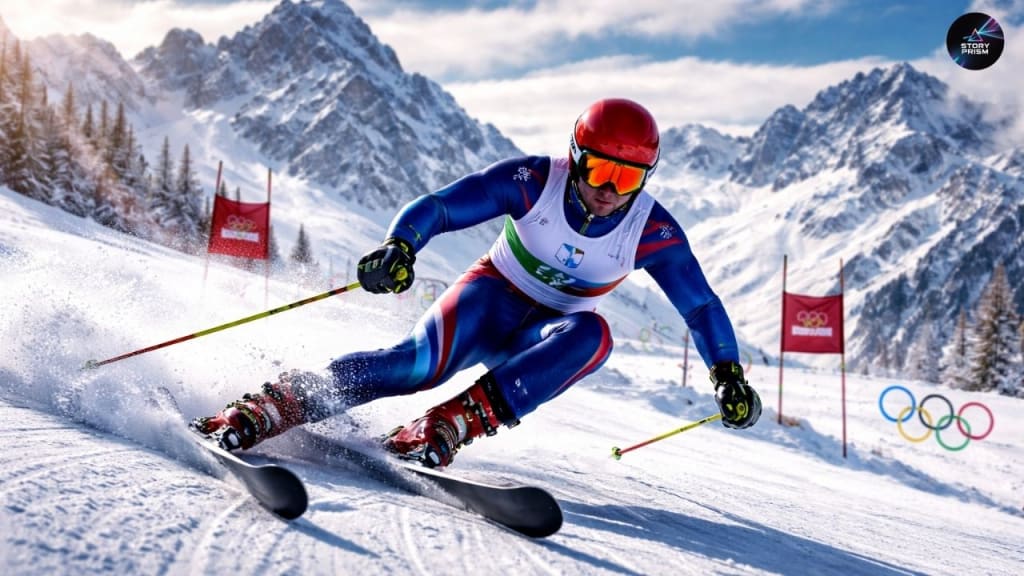
The 2026 Winter Olympics alpine skiing competitions have captured global attention, delivering a powerful blend of tradition, innovation, and unforgettable athletic performances. Hosted as part of the Milan–Cortina Winter Games, alpine skiing returned to the heart of Europe, where dramatic mountains, passionate crowds, and legendary racecourses set the stage for one of the most exciting chapters in Olympic winter sports.
Alpine skiing has always been one of the crown jewels of the Winter Olympics, and in 2026, it lived up to that reputation. With elite athletes pushing the limits of speed and control on iconic Italian slopes, the sport once again proved why it remains a centerpiece of the Olympic program.
Italy provided the perfect backdrop for alpine skiing, hosting events across two world-famous venues. The men’s competitions took place on the Stelvio Ski Course in Bormio, a track known for its steep drops, technical sections, and extreme speeds. Often described as one of the toughest downhill courses in the world, Stelvio tested even the most experienced skiers. Every run demanded flawless balance, bravery, and precision.
The women’s alpine events were held at Olimpia delle Tofane in Cortina d’Ampezzo, a venue rich in Olympic history. Cortina had last hosted Olympic alpine skiing in 1956, and its return in 2026 brought a sense of nostalgia mixed with modern intensity. The course’s flowing turns and changing terrain rewarded skiers who combined technical excellence with tactical intelligence.
The alpine skiing program at the 2026 Winter Olympics featured ten medal events, evenly split between men and women. These included downhill, super-G, giant slalom, slalom, and the newly introduced team combined event. Each discipline highlighted a different skill set, from the raw speed of downhill racing to the lightning-fast reactions required in slalom.
One of the most talked-about changes in 2026 was the shift away from the mixed parallel team event that appeared in the previous Olympics. In its place, organizers introduced the team combined format, which paired athletes rather than requiring a single skier to master both speed and technical disciplines. This change added a new strategic dimension to alpine skiing, emphasizing teamwork and specialization while preserving the sport’s competitive intensity.
The results at Milan–Cortina 2026 produced moments that will be remembered long after the Games. Italy’s home advantage played a major role, as Italian skiers delivered standout performances in front of enthusiastic crowds. The roar of the fans echoed through the mountains as medals were won on familiar snow, creating some of the most emotional scenes of the Winter Olympics.
One of the most significant stories of the alpine skiing competitions was the continued dominance of traditional powerhouses such as Switzerland and Austria. These nations once again demonstrated their depth and consistency, particularly in the speed events, where experience and technical refinement proved decisive. Their athletes frequently occupied the podium, reinforcing their long-standing influence in the sport.
At the same time, the 2026 Winter Olympics highlighted alpine skiing’s growing global reach. A historic breakthrough came in the men’s giant slalom, where a skier from Brazil captured gold, earning the country its first-ever Winter Olympic medal. This moment symbolized a shift in alpine skiing, showing that success is no longer limited to a handful of European nations. The victory inspired fans worldwide and emphasized the sport’s expanding international appeal.
The women’s competitions were equally compelling, combining technical mastery with dramatic storylines. The giant slalom and super-G events produced thrilling battles decided by fractions of a second, reminding audiences how unforgiving alpine skiing can be. Small mistakes carried huge consequences, and only the most composed athletes thrived under pressure.
Beyond the medals, alpine skiing at the 2026 Winter Olympics played a crucial role in shaping the identity of the Games themselves. The breathtaking visuals of snow-covered peaks, historic villages, and packed grandstands became defining images of Milan–Cortina 2026. Television and streaming audiences around the world tuned in, drawn by the sport’s mix of danger, beauty, and pure athletic excellence.
Hosting alpine skiing allowed Italy to showcase not only its mountains but also its deep connection to winter sports culture. From meticulous course preparation to enthusiastic fan engagement, the Italian organizers delivered an event that balanced tradition with modern Olympic standards. The success of these competitions further strengthened Italy’s reputation as one of the world’s premier alpine skiing destinations.
As the 2026 Winter Olympics came to a close, alpine skiing stood out as a symbol of what the Games represent: human ambition tested against nature, innovation rooted in history, and moments of triumph that transcend borders. With new formats, historic firsts, and legendary venues, alpine skiing at Milan–Cortina 2026 did more than crown champions—it helped shape the future of the sport on the Olympic stage.
The legacy of these competitions will endure long after the snow has melted, inspiring the next generation of skiers and reminding the world why alpine skiing remains at the heart of the Winter Olympic experience.
About the Creator
Keep reading
More stories from Story Prism and writers in Unbalanced and other communities.
2026 Winter Olympics Men’s Figure Skating: When Power, Precision, and History Collided on Ice
The men’s figure skating competition at the 2026 Winter Olympics in Milan delivered exactly what fans hoped for — breathtaking athleticism, technical evolution, and moments that may redefine the sport for a generation. Held at the Forum di Milano as part of the Milan-Cortina Games, the event became one of the most watched and debated showcases of the Olympics, blending raw power with artistic control at a level never seen before.
By Story Prism3 days ago in Unbalanced
Super Bowl LX Recap: A Team Called Hawks
Sixty. The Super Bowl turned 60! Still amazes me that this was the sixtieth Super Bowl played in NFL history. It seems like yesterday that I watched Super Bowl XXVII, the first SB I ever watched. The QB who won Super Bowl XXVII has since called a few SBs, and will call next year's game, but that's another story. Super Bowl LX took place at Levi's Stadium in Santa Clara, California, the home stadium of the San Francisco 49ers. However, it was one of their division foes who represented the NFC, as the Seattle Seahawks faced off against the New England Patriots.
By Clyde E. Dawkins8 days ago in Unbalanced
Nancy Guthrie Disappearance: Savannah Guthrie Says “We Still Believe” as FBI Reviews DNA Evidence
Introduction The disappearance of Nancy Guthrie has remained an open and painful question for her family and community. In recent days, renewed attention has focused on the case after the FBI confirmed it is reviewing DNA evidence connected to the investigation.
By Saad about 8 hours ago in Unbalanced



Comments
There are no comments for this story
Be the first to respond and start the conversation.