
2026 winter olympics women single skating free skating
Set in Italy

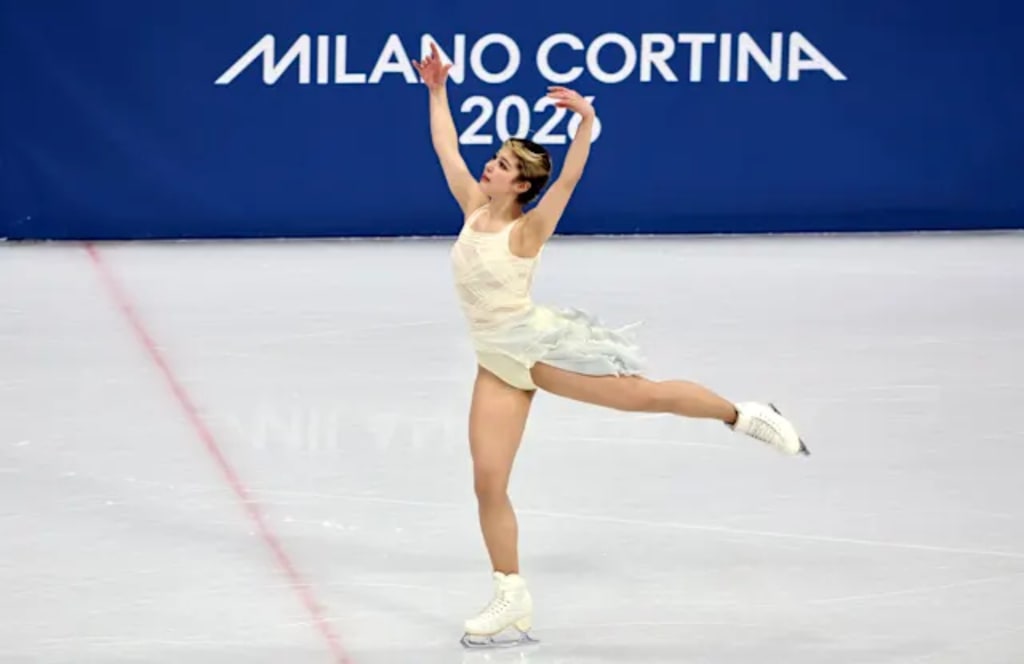
A Stage Set in Italy
The 2026 Games mark the return of the Winter Olympics to Italy for the first time since 2006. With global audiences watching, the women’s single skating competition will take center stage in a country that values art and expression—two qualities deeply connected to figure skating itself. The free skate, longer and more demanding than the short program, offers skaters the opportunity to tell a complete story through movement, music, and technical precision.
Winter olympics figure skating has always balanced athleticism with performance. In the women’s event, the free skate lasts four minutes, requiring stamina, emotional depth, and near-flawless execution. After the short program narrows the field, the top competitors return for the free skate knowing that every jump, spin, and step sequence could shift the podium.
The Evolution of Women’s Free Skating
Women’s single skating has evolved dramatically over the past two decades. Technical content has increased, with triple-triple combinations and even quadruple jumps entering the competitive landscape. At the same time, judging standards under the International Judging System reward both difficulty and quality. Execution, skating skills, choreography, interpretation, and transitions all matter.
In winter olympics figure skating, the free skate often reveals who can manage pressure. The short program sets the tone, but the free skate determines champions. History shows that Olympic gold medals are frequently won—or lost—in these final four minutes.
What Makes the Free Skate Unique
Unlike the short program, which has strict required elements, the free skate allows skaters greater freedom in choreography and layout. They can design their program strategically: placing high-value jumps in the second half for bonus points, arranging spins to maximize levels, and building emotional momentum toward a powerful ending.
In the Olympic setting, the atmosphere intensifies every movement. The arena falls silent before a skater begins. The music starts. Blades carve into fresh ice. For a few minutes, the world narrows to the rhythm of crossovers and the sound of edges cutting into the rink.
Winter olympics figure skating is not only about difficulty; it is about composure. The free skate tests endurance, especially after the physical and mental effort of the short program. A single mistake can drop a competitor from first to third. Conversely, a clean, inspired performance can elevate a skater from outside medal contention onto the podium.
Rising Stars and Veteran Presence
Although the final roster for the 2026 Winter Olympics will not be confirmed until closer to the Games, the global field already reflects intense competition. Skaters from countries such as Japan, South Korea, the United States, and various European nations are consistently pushing technical boundaries while refining artistry.
Young athletes are entering senior competition with advanced jump arsenals, while seasoned competitors bring experience and emotional maturity. In winter olympics figure skating, that balance between youth and resilience often defines the women’s event.
The Olympic stage can transform emerging talents into household names overnight. At the same time, it can offer redemption to those who have narrowly missed medals in previous championships. The free skate, as the concluding segment, amplifies these narratives.
Judging and Strategy in 2026
Under the current scoring system, each element in the free skate receives a base value plus or minus a Grade of Execution (GOE). Judges also award program component scores for skating skills, transitions, performance, composition, and interpretation. This comprehensive evaluation means that technical brilliance alone is not enough.
For the 2026 Winter Olympics, athletes and coaches will carefully plan jump layouts. Many will attempt high-risk combinations in the second half to gain bonus points. However, strategy involves more than difficulty. Skaters must manage energy across the full program. A strong opening can set confidence, but finishing powerfully often leaves the deepest impression.
Winter olympics figure skating audiences understand this tension. Fans watch not only for jumps but for the intangible qualities that turn routines into memories. A well-timed crescendo, a final spin accelerating at center ice, or a triumphant landing on the last jump can shift the emotional temperature of the arena.
The Cultural Impact of the Women’s Event
The women’s free skate has historically delivered some of the most iconic moments in Olympic sport. Beyond medals, it has sparked conversations about athletic development, artistic freedom, and the evolving standards of the discipline.
At the 2026 Games, held in a country celebrated for art, design, and classical music, the performances may carry added symbolic weight. Programs set to opera, contemporary compositions, or cinematic scores could reflect the host nation’s cultural backdrop.
Winter olympics figure skating reaches audiences far beyond traditional sports fans. Families gather to watch. Young skaters see role models. The women’s free skate often inspires new generations to step onto the ice for the first time.
Pressure and Performance
Olympic pressure is unique. Unlike annual championships, the Winter Games occur only once every four years. For many skaters, this is the pinnacle of their careers. The free skate represents both opportunity and risk.
Athletes must manage expectations from their countries, federations, coaches, and supporters. Mental preparation becomes as important as physical training. Sports psychologists, conditioning specialists, and choreographers all play roles in shaping Olympic readiness.
In winter olympics figure skating, resilience matters. A minor stumble does not necessarily end medal hopes if the rest of the program remains strong. The scoring system allows room for recovery, but confidence is fragile under Olympic lights.
Looking Ahead to Milan-Cortina
As the 2026 Winter Olympics approach, anticipation builds for the women’s single skating free skate. The event will likely feature a blend of technical innovation and artistic storytelling. Whether a seasoned champion defends her status or a newcomer rises unexpectedly, the free skate will deliver decisive moments.
Winter olympics figure skating has always been about more than medals. It is about discipline, creativity, and courage. The women who step onto Olympic ice in 2026 will carry years of training behind them. In four minutes, they will attempt to translate that effort into something unforgettable.
When the final scores appear and medals are awarded, what remains is not only a ranking but a collection of performances etched into Olympic history. The women’s free skate in 2026 will add another chapter—one defined by ambition, artistry, and the enduring spirit of competition.
About the Creator
Saboor Brohi
I am a Web Contant writter, and Guest Posting providing in different sites like techbullion.com, londondaily.news, and Aijourn.com. I have Personal Author Sites did you need any site feel free to contact me on whatsapp:
+923463986212
Keep reading
More stories from Saboor Brohi and writers in Unbalanced and other communities.
YouTube Outages
For billions of people, YouTube is more than a website. It is a classroom, a stage, a newsroom, and a source of daily entertainment. So when the platform experiences an outage, the disruption is felt immediately and globally. Creators lose revenue, viewers lose access to information, and businesses lose a vital marketing channel. A YouTube outage may last only minutes, but its ripple effects can stretch far beyond that window.
By Saboor Brohi about 3 hours ago in Unbalanced
Super Bowl LX Recap: A Team Called Hawks
Sixty. The Super Bowl turned 60! Still amazes me that this was the sixtieth Super Bowl played in NFL history. It seems like yesterday that I watched Super Bowl XXVII, the first SB I ever watched. The QB who won Super Bowl XXVII has since called a few SBs, and will call next year's game, but that's another story. Super Bowl LX took place at Levi's Stadium in Santa Clara, California, the home stadium of the San Francisco 49ers. However, it was one of their division foes who represented the NFC, as the Seattle Seahawks faced off against the New England Patriots.
By Clyde E. Dawkins10 days ago in Unbalanced
Cain Velasquez: Rise, Reign, and Redemption of a UFC Heavyweight Legend
Introduction: The Man Behind the Legend Cain Velasquez is more than just a name in mixed martial arts history; he is a figure whose career and personal life have been defined by triumph, controversy, and resilience. Born on July 28, 1982, in Salinas, California, Velasquez rose from humble beginnings to become a two-time UFC Heavyweight Champion, revered for his relentless pace, wrestling prowess, and knockout power. His life has been marked not only by athletic excellence but also by intense personal challenges and legal struggles, culminating in his recent release from prison in February 2026.
By Story Prism4 days ago in Unbalanced




Comments
There are no comments for this story
Be the first to respond and start the conversation.