
Real Madrid: Glory, Pressure, and the Weight of White
There are football clubs, and then there is Real Madrid. For millions of fans around the world, the name carries emotion that goes far beyond sport.

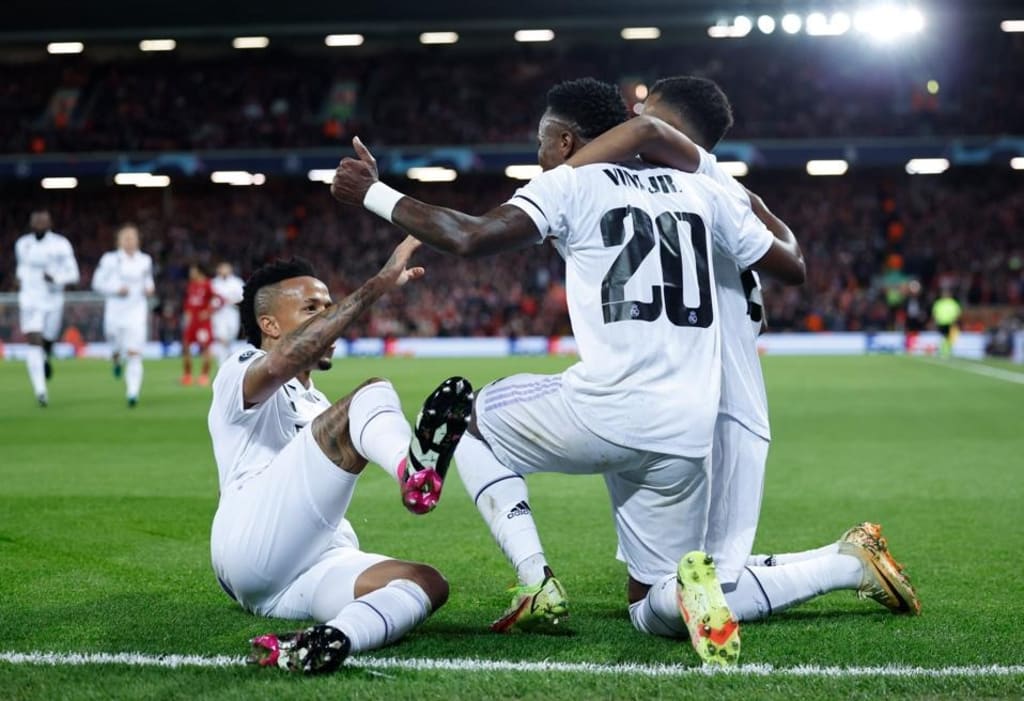
There are football clubs, and then there is Real Madrid. For millions of fans around the world, the name carries emotion that goes far beyond sport. It represents unforgettable goals, dramatic comebacks, and nights when belief felt stronger than logic. The white jersey is not just a uniform. It is a symbol of expectation. When players step onto the pitch wearing it, they carry history on their shoulders.
Real Madrid is known for trophies and star players, but the story runs deeper. It is about pressure, ambition, loyalty, heartbreak, and redemption. This article explores how Real Madrid became one of the most powerful names in football, what makes the club different, and why its legacy continues to shape the modern game.
The Birth of Real Madrid
Real Madrid was founded in 1902 in Madrid, Spain. At the time, football was still growing in popularity across Europe.
In 1920, King Alfonso XIII granted the club the title Real, which means royal in Spanish. From that point, the name Real Madrid became official.
The club quickly established itself as a force in Spanish football. As domestic competitions grew, so did its reputation.
The European Identity
Dominance in the European Cup
In the 1950s, Real Madrid built a team that would define an era. Led by legendary players like Alfredo Di Stefano and Ferenc Puskas, the club won the first five European Cups.
This early success shaped the club’s identity. Real Madrid was not just a domestic champion. It was a European powerhouse.
Winning on the continental stage became part of its culture. Even decades later, the Champions League remains central to the club’s ambitions.
The Meaning of La Decima
In 2014, Real Madrid won its tenth European title, known as La Decima. The victory ended a long wait and carried emotional weight for fans.
The final against Atletico Madrid included a dramatic late equalizer before Real Madrid dominated in extra time.
That night reinforced a belief among supporters: this club finds a way.
The Pressure of the White Shirt
Playing for Real Madrid is different from playing for most clubs.
The expectations are constant. Winning is not a bonus. It is a requirement.
When results fall short, criticism follows quickly. Fans and media demand excellence.
For example, managers at Real Madrid rarely receive long grace periods. Even successful coaches can be replaced if performance dips.
This environment creates intense pressure. Some players thrive under it. Others struggle.
The white shirt carries pride. It also carries weight.
The Galacticos Era
In the early 2000s, Real Madrid launched a strategy known as the Galacticos.
The club signed global stars such as Zinedine Zidane, Ronaldo, Luis Figo, and David Beckham. The idea was simple: combine world-class talent with global appeal.
The approach brought attention and commercial success. It also produced memorable moments, including Zidane’s stunning volley in the 2002 Champions League final.
However, critics argued that focusing heavily on star power sometimes disrupted team balance.
The Galacticos era showed both the attraction and the risk of building around superstar names.
Real Madrid and Barcelona: A Rivalry Beyond Football
The rivalry between Real Madrid and Barcelona is one of the most intense in sport.
Known as El Clasico, these matches go beyond league points. They carry cultural and political history.
Real Madrid has often been associated with central Spanish identity, while Barcelona represents Catalan pride.
On the pitch, the rivalry has featured some of the greatest players in history, including Cristiano Ronaldo and Lionel Messi.
Each Clasico feels like an event. The tension is visible from the first whistle.
For Real Madrid, beating Barcelona is not just about competition. It is about pride.
Cristiano Ronaldo and a Modern Golden Era
When Cristiano Ronaldo joined Real Madrid in 2009, expectations were enormous.
Over the next nine years, he scored goals at an astonishing rate. He helped the club win four Champions League titles in five years between 2014 and 2018.
Those seasons cemented Real Madrid’s reputation as kings of Europe once again.
Under coach Zinedine Zidane, the team developed a strong mentality. They often performed best when the stakes were highest.
Ronaldo’s departure in 2018 marked the end of an era. Many wondered how Real Madrid would respond.
Rebuilding and Renewal
After Ronaldo left, Real Madrid entered a period of transition.
Results were inconsistent. Managers changed. Critics questioned whether the club could return to its dominant form.
Yet rebuilding is part of football history.
The club invested in younger players such as Vinicius Junior and Rodrygo. Veterans like Luka Modric and Karim Benzema provided experience.
In 2022, Real Madrid won another Champions League title, defeating strong opponents along the way.
That campaign included dramatic comebacks against Paris Saint-Germain, Chelsea, and Manchester City.
The message was clear: Real Madrid’s belief in European competition remained intact.
The Santiago Bernabeu: More Than a Stadium
The Santiago Bernabeu Stadium is one of football’s most iconic venues.
Located in Madrid, it has witnessed decades of triumph and heartbreak.
When Real Madrid plays at home, the atmosphere can feel electric. Fans expect bold performances.
Recent renovations aim to modernize the stadium while preserving its history.
For many supporters, attending a match at the Bernabeu is a lifelong dream.
The stadium represents continuity. Generations of fans have celebrated titles within its walls.
Youth Development and La Fabrica
While Real Madrid is known for signing global stars, it also invests in youth development.
La Fabrica, the club’s academy, has produced talented players over the years.
Not every academy graduate becomes a first-team star. However, youth development provides depth and identity.
Balancing expensive signings with homegrown talent remains a challenge.
For fans, seeing a local player succeed in the first team carries special meaning.
Leadership and Management
The leadership structure at Real Madrid plays a major role in its direction.
Club presidents influence transfer strategy and financial planning.
Florentino Perez has overseen multiple successful eras. His decisions have shaped both the Galacticos era and later rebuilding phases.
Managers at Real Madrid must manage egos, pressure, and tactical complexity.
Success often depends on balancing experienced leaders with emerging stars.
Real Madrid’s Global Fanbase
Real Madrid has supporters across continents.
In Asia, Africa, the Americas, and Europe, fans wear the white shirt proudly.
The club’s global reach is partly due to historic success and partly due to star players.
For many young fans, Real Madrid represents ambition and prestige.
Watching Champions League nights often becomes a shared ritual within families.
The club’s influence extends beyond Spain. It is a global brand rooted in football heritage.
Financial Power and Responsibility
Success on the field often connects to financial strength.
Real Madrid generates significant revenue from broadcasting, sponsorships, and merchandise.
With financial power comes scrutiny. Decisions about spending, wages, and transfers attract debate.
Balancing ambition with sustainability is essential.
While fans demand trophies, long-term planning ensures stability.
The Mentality of Comebacks
One of the defining traits of Real Madrid in recent years has been its ability to stage comebacks.
In the 2022 Champions League campaign, late goals turned likely defeats into victories.
Supporters often speak of a special mentality.
Whether this is psychological strength, experience, or tactical courage, it creates belief.
Opponents know that even a late lead may not be safe.
That reputation can influence matches before they even begin.
Criticism and Controversy
No major club avoids controversy.
Real Madrid has faced criticism over refereeing decisions, transfer spending, and management choices.
Rival fans often accuse the club of receiving favorable treatment.
Inside Spain, debates about power and influence continue.
Yet criticism often reflects prominence. High-profile teams attract scrutiny.
Real Madrid’s history includes both admiration and resentment.
Women’s Football and Growth
In recent years, Real Madrid expanded into women’s football.
The women’s team now competes in domestic and European competitions.
This growth reflects broader changes in the sport.
Supporting women’s football strengthens the club’s overall identity.
It also connects new generations of fans to the Real Madrid name.
Real Madrid in Modern Football Culture
Modern football includes social media, global marketing, and intense media coverage.
Real Madrid operates within this environment while maintaining traditional values.
The club emphasizes winning, prestige, and excellence.
Players understand that joining Real Madrid brings opportunity and pressure.
For example, young talents who sign contracts know they will be judged quickly.
Success can make careers legendary. Failure can lead to swift exits.
Lessons from Real Madrid’s History
There are clear lessons within the story of Real Madrid.
Expectation Drives Standards
Constant demand for trophies pushes the club to maintain high standards.
History Creates Identity
European success in the 1950s shaped the club’s DNA. That identity continues to influence decisions today.
Adaptation Is Necessary
From Galacticos to youth rebuilding, Real Madrid adapts to new realities.
Staying competitive requires change.
Why Real Madrid Still Captures Imagination
Real Madrid remains central to global football conversations.
Each transfer window sparks debate. Each Champions League draw creates anticipation.
The club’s history adds drama to every match.
When Real Madrid steps onto the field, the weight of past triumphs follows.
For supporters, that history brings pride. For players, it brings responsibility.
Conclusion: More Than a Club in White
Real Madrid is more than trophies and headlines.
It is a story of ambition that spans more than a century.
From early European dominance to modern comebacks, the club has built a reputation for resilience.
The white jersey symbolizes excellence, but it also demands it.
Generations of players have felt the pressure. Some have risen to greatness. Others have faded.
Yet the club continues.
As long as football exists, the name Real Madrid will carry meaning.
Not just because of titles, but because of the emotion, expectation, and belief stitched into every thread of white.
About the Creator
Muqadas khan
Hi! Welcome to my Vocal page. I’ll be sharing fresh articles every day covering stories, ideas, and a bit of inspiration to brighten your feed. Thanks for reading and supporting daily writing! 📖💫
Keep reading
More stories from Muqadas khan and writers in Unbalanced and other communities.
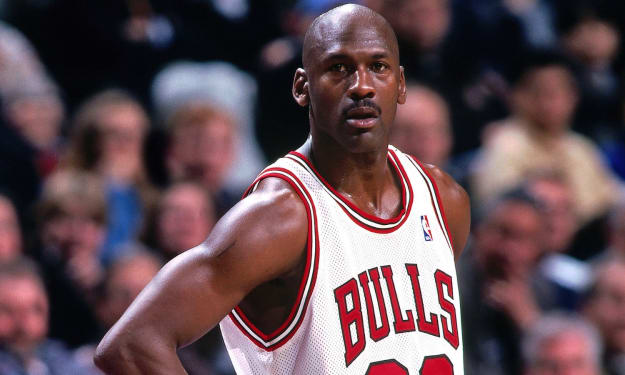
Michael Jordan: The Fire That Built a Legend
Some athletes win games. A few win championships. And then there are rare figures who seem to change how we see effort, pressure, and belief itself. Michael Jordan belongs in that last group. His name is spoken with a kind of respect that goes beyond sports. For many people, he was not just a basketball player. He was the reason they stayed up late to watch games. The reason they practiced one more hour. The reason they believed that missing a shot did not mean the story was over.
By Muqadas khan2 days ago in Unbalanced
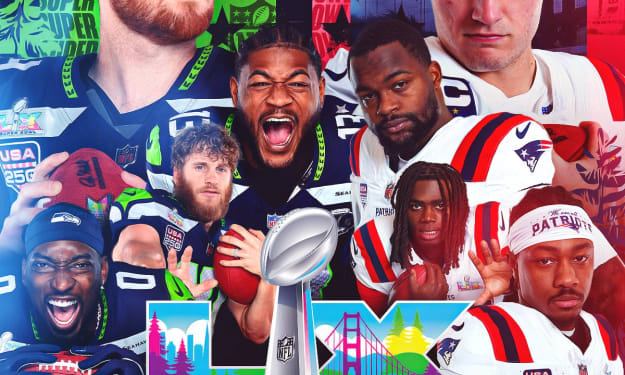
Super Bowl LX Recap: A Team Called Hawks
Sixty. The Super Bowl turned 60! Still amazes me that this was the sixtieth Super Bowl played in NFL history. It seems like yesterday that I watched Super Bowl XXVII, the first SB I ever watched. The QB who won Super Bowl XXVII has since called a few SBs, and will call next year's game, but that's another story. Super Bowl LX took place at Levi's Stadium in Santa Clara, California, the home stadium of the San Francisco 49ers. However, it was one of their division foes who represented the NFC, as the Seattle Seahawks faced off against the New England Patriots.
By Clyde E. Dawkins9 days ago in Unbalanced
'Till Death We Do Art
There would be nothing divine in this world without art. Nature may surpass the divine to all intents and purposes, but like everything it absorbs and is absorbed by, it remains here, stuck on the surface of this world, ever-present, physically bound to the universe.
By Avocado Nunzella BSc (Psych) -- M.A.P a day ago in Art


Comments
There are no comments for this story
Be the first to respond and start the conversation.