
Skispringen: The Quiet Fear, Beauty, and Bravery Behind the Flight
Skispringen looks unreal the first time you see it. A human body gliding through cold air, silent and stretched, suspended between fear and grace.

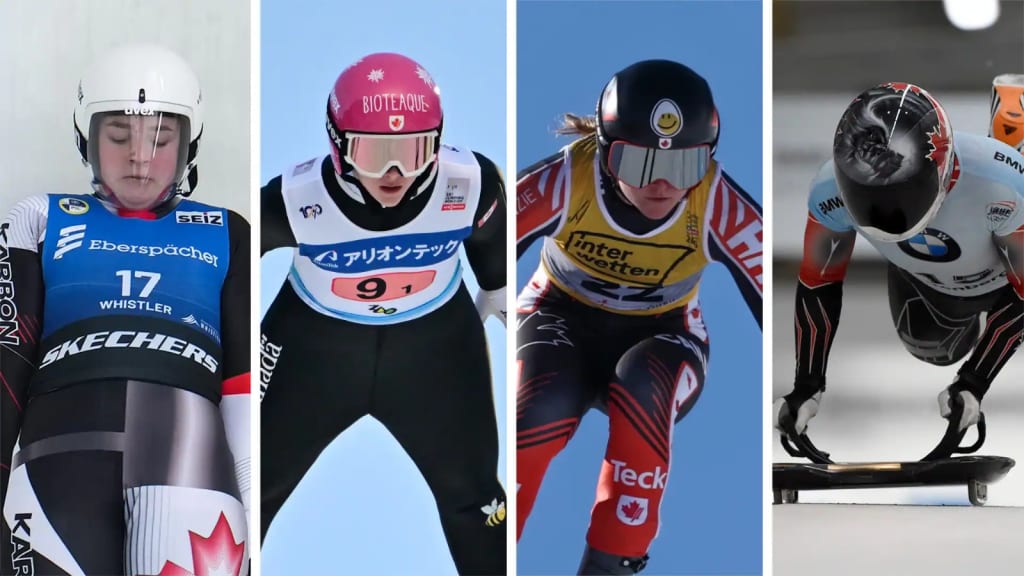
Skispringen looks unreal the first time you see it. A human body gliding through cold air, silent and stretched, suspended between fear and grace. It is not loud like other winter sports. There is no collision, no chase. Just a long pause where gravity waits. For many viewers, skispringen feels poetic. For athletes, it is something deeper. It is discipline, doubt, and courage mixed together on a narrow ramp. This article explores skispringen beyond the scores and medals. It looks at where it began, why it feels so emotional, how athletes prepare, and what keeps drawing people back to a sport built on trust in the body and the wind.
What Is Skispringen?
Skispringen is ski jumping. The sport is about speed, balance, and timing rather than strength alone.
An athlete skis down a steep inrun, launches from a takeoff table, flies through the air, and lands smoothly on a sloped hill. The goal is not only distance, but also style. Judges watch posture, control, and landing technique.
Unlike many sports, skispringen offers only a few seconds to perform. Those seconds, however, carry years of preparation and a lifetime of mental training.
Why Skispringen Feels So Different
Skispringen does not look aggressive. It looks quiet.
There is no visible struggle during the jump. The athlete does not fight the air. They cooperate with it. This creates a strange contrast between the danger involved and the calm appearance of flight.
Viewers often describe feeling tense while watching. That tension comes from knowing how much can go wrong in such a small window of time.
The silence before a jump adds to the emotion. Crowds hold their breath. Athletes stare down the hill. Everything slows.
The Origins of Skispringen
Skispringen began in Scandinavia in the nineteenth century. Early ski jumpers used long wooden skis and natural hills.
The sport grew from practical skiing traditions into competition. Norway played a central role in shaping early rules and techniques.
Over time, skispringen spread across Europe and into Asia and North America. Hills became more structured. Equipment evolved. Judging systems became formal.
Despite changes, the heart of skispringen stayed the same. One person. One jump. One moment.
The Hills That Shape the Sport
Not all ski jumping hills are the same.
Normal Hills
These are often used for training and youth competitions. They allow athletes to focus on technique without extreme risk.
Large Hills
Large hills increase speed and distance. They demand more precision and stronger nerves.
Ski Flying Hills
Ski flying is an advanced form of skispringen. These hills allow jumps over two hundred meters. Only experienced athletes compete here.
Each hill has its own character. Wind patterns, lighting, and slope angle affect how a jump feels.
Athletes often speak about certain hills with respect, even fear.
The Fear No One Talks About
Fear is always present in skispringen.
Athletes do not talk about it loudly, but it lives in preparation rooms and quiet moments before takeoff. The fear is not always of falling. Often it is the fear of hesitation.
Hesitation ruins a jump. Commitment carries it.
Learning to accept fear without letting it take control is one of the hardest parts of skispringen.
Many jumpers say the sport taught them more about themselves than any other experience.
How Athletes Train for Skispringen
Training for skispringen goes far beyond jumping.
Physical Training
Athletes work on leg strength, core stability, and balance. They need explosive power for takeoff and fine control in flight.
Flexibility matters. A small stiffness can affect posture in the air.
Technical Training
Jumpers repeat movements endlessly. Takeoff timing, body angle, ski position, and landing technique are drilled until they become instinct.
Mental Training
Mental preparation is central to skispringen. Visualization, focus exercises, and routine building help athletes stay calm.
Many jumps are won or lost in the mind before the body ever moves.
Equipment and Its Quiet Importance
Skispringen equipment looks simple but is carefully regulated.
Skis are long and wide to create lift. Boots are stiff but allow controlled ankle movement. Suits are designed to interact with airflow within strict rules.
Even small changes in equipment setup can affect flight.
Athletes often become deeply familiar with how their gear feels. Trust in equipment becomes part of trust in oneself.
The Role of Wind in Skispringen
Wind is both a gift and a threat.
Headwind can help lift an athlete higher and farther. Tailwind can push them down too quickly.
Modern competitions adjust scores based on wind conditions, but athletes still need to react in real time.
Reading the wind is a skill developed through experience. Jumpers learn to sense subtle changes others cannot see.
This relationship with nature makes skispringen feel raw and honest.
Why Style Matters as Much as Distance
In skispringen, distance alone is not enough.
Judges score style based on body position in flight, stability, and landing. The classic telemark landing, where one ski is placed ahead of the other, is a sign of control and grace.
A long jump with poor form can lose to a shorter jump with perfect style.
This balance between beauty and performance is part of what makes skispringen unique.
The Emotional Weight of Competition Days
Competition days carry heavy emotions.
Athletes wait alone with their thoughts. They watch others jump. They listen for wind signals. They repeat routines to stay grounded.
A single jump can decide months of effort. There are no second chances.
After landing, emotions release quickly. Relief, joy, disappointment, or quiet acceptance all appear in seconds.
This emotional intensity bonds athletes to the sport in ways difficult to explain.
Skispringen and National Identity
In some countries, skispringen is more than a sport.
In places like Norway, Poland, Germany, and Austria, ski jumping carries cultural meaning. Athletes become symbols of pride and tradition.
Fans grow up watching jumps on winter evenings. Hills become landmarks.
This connection adds pressure but also purpose for athletes who feel they represent more than themselves.
Women in Skispringen
Women’s skispringen has faced a long struggle for recognition.
For many years, women were excluded from major competitions. Arguments about safety were used to limit participation.
Despite this, female athletes continued to train and compete where allowed. Their persistence slowly changed the sport.
Today, women’s skispringen is growing, though challenges remain. Visibility, funding, and equal opportunities are still uneven.
The presence of women has added depth and honesty to the sport’s story.
Injuries and the Price of Mistakes
Skispringen carries risk. Falls can happen, especially in poor conditions or moments of misjudgment.
Injuries range from minor bruises to serious trauma. Recovery often involves long physical and mental rebuilding.
Many athletes say returning after a crash is harder mentally than physically.
Choosing to jump again requires trust rebuilt piece by piece.
Why Athletes Stay Despite the Risk
From the outside, it is easy to ask why anyone would continue.
Athletes often struggle to explain it clearly. Some describe the feeling of flight. Others mention focus so deep it feels peaceful.
Skispringen offers moments where everything aligns. Body, mind, and environment move together.
Those moments are rare, but they stay with athletes forever.
The Quiet After Retirement
Retirement from skispringen can be difficult.
Many former jumpers miss the structure, the focus, and the feeling of purpose. The silence after leaving competition feels different.
Some stay connected as coaches or commentators. Others step away completely.
The sport leaves marks that do not fade quickly.
Watching Skispringen as a Viewer
For viewers, skispringen can feel meditative.
There is rhythm in watching jump after jump. Calm builds tension. Tension releases.
Knowing the risks adds depth to every flight.
Many fans say they watch not just for results, but for the feeling the sport creates.
Skispringen in a Changing World
Climate change affects winter sports, including skispringen.
Unpredictable weather shortens seasons. Artificial snow helps, but conditions remain fragile.
This adds urgency to discussions about the future of the sport.
Skispringen depends on cold, patience, and respect for nature. Its future is tied closely to environmental care.
What Skispringen Teaches Beyond Sport
Skispringen teaches lessons that reach beyond competition.
It teaches patience through repetition. Courage through commitment. Humility through failure.
Athletes learn that control sometimes comes from letting go.
These lessons stay long after the last jump.
Why Skispringen Continues to Matter
In a loud world, skispringen remains quiet.
It does not shout for attention. It waits for those willing to slow down and watch closely.
Its beauty lies in simplicity. Its power lies in honesty.
Skispringen reminds us that bravery does not always look loud or aggressive. Sometimes it looks like standing still at the top of a hill, breathing once, and choosing to fly.
Final Thoughts
Skispringen is more than a winter sport. It is a conversation between fear and trust.
It asks athletes to face themselves in cold air, without distractions. It asks viewers to witness vulnerability in motion.
That is why it endures.
Not because it is easy to understand, but because it is deeply human.
About the Creator
Muqadas khan
Hi! Welcome to my Vocal page. I’ll be sharing fresh articles every day covering stories, ideas, and a bit of inspiration to brighten your feed. Thanks for reading and supporting daily writing! 📖💫
Keep reading
More stories from Muqadas khan and writers in Unbalanced and other communities.
Michigan vs Ohio State: Why This Rivalry Feels So Personal
Some games feel bigger than sports. Michigan vs Ohio State is one of them. It lives in family arguments, childhood memories, cold Saturdays, and long silences after the final whistle. Even people who do not follow college football closely know this matchup means something deeper. It is not just about rankings or trophies. It is about pride, history, and identity. For more than a century, this rivalry has shaped seasons, careers, and entire communities. In this article, we will explore why Michigan vs Ohio State carries such emotional weight, how it began, how it evolved, and why it still feels personal to millions of people today.
By Muqadas khan8 days ago in Unbalanced
Super Bowl LX Recap: A Team Called Hawks
Sixty. The Super Bowl turned 60! Still amazes me that this was the sixtieth Super Bowl played in NFL history. It seems like yesterday that I watched Super Bowl XXVII, the first SB I ever watched. The QB who won Super Bowl XXVII has since called a few SBs, and will call next year's game, but that's another story. Super Bowl LX took place at Levi's Stadium in Santa Clara, California, the home stadium of the San Francisco 49ers. However, it was one of their division foes who represented the NFC, as the Seattle Seahawks faced off against the New England Patriots.
By Clyde E. Dawkins8 days ago in Unbalanced
2026 Winter Olympics Ice Hockey
Ice hockey has long been one of the defining events of the Winter Olympic Games, combining speed, strategy, and national pride in a way few other sports can match. As the world turns its attention to the 2026 Winter Olympics in Milan and Cortina d’Ampezzo, ice hockey is once again expected to take center stage. With historic rivalries, emerging talent, and the possibility of top professional players competing, the tournament promises to be one of the most compelling chapters in Olympic hockey history.
By Saboor Brohi 6 days ago in Unbalanced



Comments
There are no comments for this story
Be the first to respond and start the conversation.