
Causes, Symptoms and Treatment Options for Facial Hair in Women
Chin Hair and Facial Hair in Women What It Means and What To Do

First, take a deep breath.
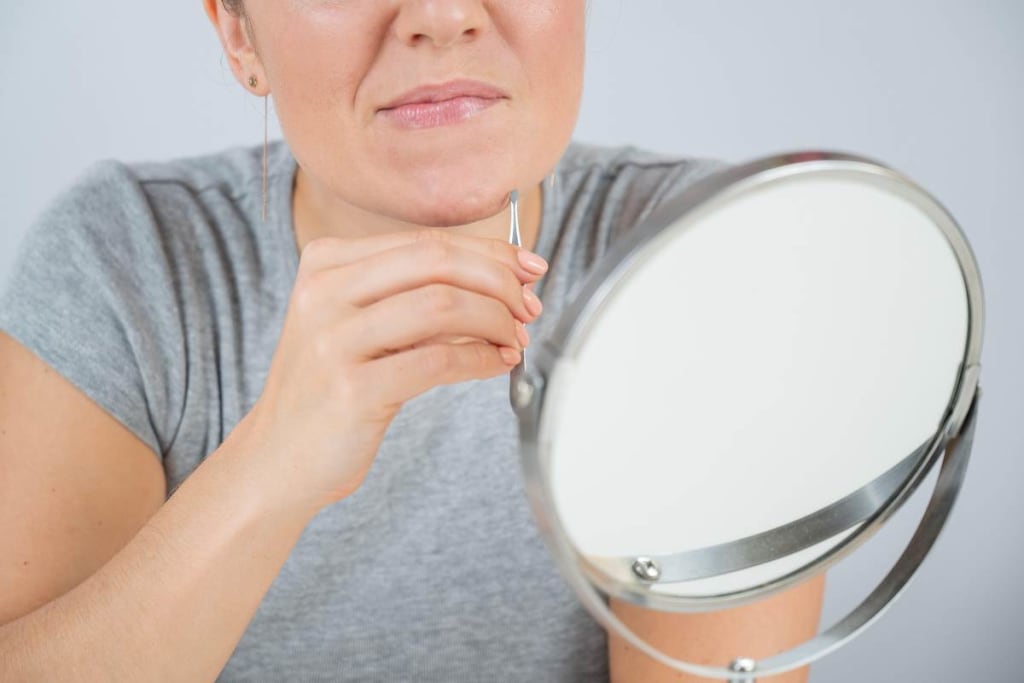
If you’ve noticed chin hairs or extra facial hair, you are not alone. Many women experience this at some point in life. A few stray hairs are completely normal. But if the hair growth feels excessive, sudden, or unusual, it’s important to understand what your body might be signaling.
Facial hair in women can be harmless — or it can indicate an underlying hormonal imbalance. The key is knowing the difference.
Let’s break everything down clearly and calmly.
What Is Considered Normal Facial Hair
All women naturally have fine facial hair called “vellus hair.” It is light, soft, and barely visible.
However, when hair becomes:
- Dark
- Coarse
- Thick
Noticeably increasing
especially on areas like the chin, upper lip, jawline, chest, or lower abdomen, it may be a condition called hirsutism.
Hirsutism refers to excessive male-pattern hair growth in women.
What Causes Chin Hair or Excess Facial Hair in Women
The most common cause is hormonal imbalance, particularly elevated androgens (male hormones like testosterone).
Here are the major causes:
1. Polycystic Ovary Syndrome PCOS
PCOS is one of the most common reasons for excess facial hair in women. It causes hormonal imbalance and may also lead to:
- Irregular periods
- Acne
- Weight gain
- Ovarian cysts
- Thinning scalp hair
2. Hormonal Changes
Hormone fluctuations during:
- Puberty
- Pregnancy
- Perimenopause
- Menopause
can trigger facial hair growth.
3. Genetics
If women in your family have facial hair, it may simply be hereditary.
4. Insulin Resistance
High insulin levels can increase androgen production, which may lead to unwanted hair growth.
5. Adrenal or Ovarian Disorders
Rarely, tumors or gland disorders can increase androgen levels.
6. Certain Medications
Some drugs, especially steroid-based medications, can increase hair growth.
Symptoms That May Come With Excess Facial Hair
Facial hair alone may not always be concerning. However, if it is combined with other symptoms, you should pay attention.
Look for:
- Irregular or missed periods
- Severe acne
- Sudden weight gain
- Deepening voice
- Hair thinning on scalp
- Darkening of skin around neck or underarms
- Fertility issues
If you experience multiple symptoms together, consult a doctor.
What You Can Do If You Notice Chin Hair
Let’s separate cosmetic management from medical treatment.
Cosmetic Options
If hair growth is mild and not related to a medical condition:
- Tweezing
- Threading
- Waxing
- Shaving (yes, shaving is safe for women)
- Hair removal creams
- Laser hair removal
- Electrolysis
Laser treatment works best for dark hair and provides long-term reduction.
Medical Treatment Options
If hormonal imbalance is the cause, treating the root problem is essential.
Doctors may recommend:
- Hormonal birth control pills
- Anti androgen medications
- PCOS management plans
- Insulin regulating medicines
- Lifestyle changes
Treatment depends on diagnosis, so proper testing is important.
Lifestyle Changes That Help Naturally
Even if the cause is hormonal, lifestyle adjustments can improve symptoms.
Maintain Healthy Weight
Losing even 5 to 10 percent of body weight can significantly improve hormonal balance in PCOS cases.
Balanced Diet
Focus on:
- High fiber foods
- Lean protein
- Healthy fats
- Low refined sugar
Reducing sugar helps manage insulin levels.
Regular Exercise
Exercise improves insulin sensitivity and hormone regulation.
Stress Management
Chronic stress increases cortisol, which may indirectly impact hormones.
Try:
- Walking
- Yoga
- Deep breathing
- Proper sleep
Home Remedies Do They Work
Some natural remedies are popular, but evidence varies.
Turmeric and gram flour masks
Papaya scrubs
Spearmint tea
Spearmint tea has shown some potential in reducing androgen levels mildly when consumed regularly, but it is not a cure.
Home remedies may slow growth slightly but will not treat hormonal disorders.
When Should You Consult a Doctor
See a healthcare provider if:
- Hair growth is sudden and rapid
- You notice other hormonal symptoms
- Periods become irregular
- You experience infertility
- Facial hair is affecting your emotional well being
- Hair growth worsens quickly
Doctors may perform:
- Blood tests for hormone levels
- Thyroid function tests
- Ultrasound for ovaries
- Insulin testing
Early diagnosis prevents complications.
Is Facial Hair Dangerous
In most cases, facial hair itself is not dangerous.
It is usually a symptom — not a disease.
However, if linked to conditions like PCOS or adrenal disorders, early management is important for long-term reproductive and metabolic health.
Emotional Side Matters Too
Many women feel embarrassed about facial hair. But remember — this is a medical and hormonal issue, not a personal flaw.
There is no shame in seeking treatment.
Taking care of your health is strength, not weakness.
Final Takeaway
If you have chin hairs:
First, don’t panic.
Second, observe other symptoms.
Third, address it calmly.
It could be:
Normal genetics
Temporary hormonal change
Or a manageable medical condition
Modern treatments and lifestyle changes can significantly improve the condition.
Your body sends signals for a reason. Listen to it early, respond wisely, and seek medical advice when needed.
Knowledge removes fear — and informed action brings control.
About the Creator
Veronica Bennett
Author at Stories Buzz | Unleashing worlds through words ✨ | Writer-girl weaving magic into stories 📚 | Creating realms where dreams take flight 🌈 | #WriterLife #Storyteller
My work: https://storiesbuzz.co.uk/
Keep reading
More stories from Veronica Bennett and writers in Viva and other communities.
From Living Room to Legend: The Ultimate Guide to Sculpting Your Body and Mind at Home
In an era where time is our most precious currency, the traditional "gym grind" is being challenged by a more accessible, intimate, and equally powerful alternative: The Home Workout. Many believe that without a wall of heavy machinery or a monthly membership fee, physical transformation is impossible. That is a myth we are about to dismantle. Whether you are a busy professional, a stay-at-home parent, or someone who simply finds the gym environment intimidating, your living room holds the key to the best version of yourself.
By Salim Riahi7 days ago in Viva
What Is a True Eco Villa?
As sustainability becomes a defining value across the world, the tourism industry has steadily adapted to meet the expectations of more conscious travellers. Rather than being left behind, travel has embraced eco-friendly practices that balance environmental responsibility with comfort and quality. This evolution has led to the rise of eco-tourism, where thoughtful design, nature, and authenticity come together to create meaningful travel experiences.
By Aurora Giannaa day ago in Viva



Comments
There are no comments for this story
Be the first to respond and start the conversation.