
Why River Cruises Are Consistently Recognised as a Distinctive Chiang Mai Experience
River Cruises in Chiang Mai
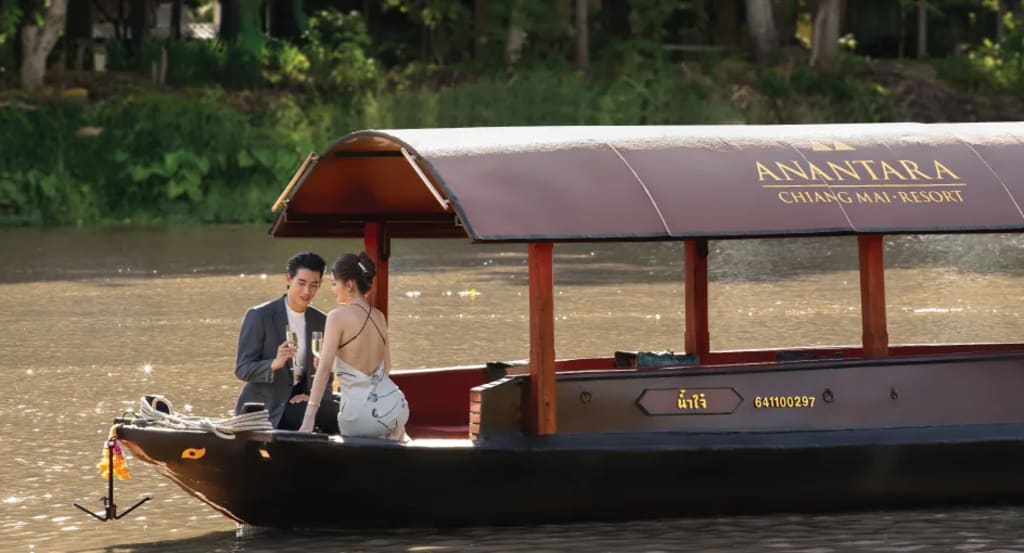
Chiang Mai developed beside the Mae Ping River, which shaped how people moved, traded, and settled across the region long before railways and highways appeared. The river flows through quieter parts of the city, past houses, small gardens, and working stretches of riverbank. Moving along this section shows a side of Chiang Mai shaped by daily use and the land itself – here's how.
The Mae Ping River in Daily Use
The Mae Ping River has long been used as a working route in northern Thailand. Timber and farm produce were transported by river to reach larger trading centres. Settlements grew beside the river because it provided both water and an easy way to move people and supplies.
That history is still visible. Houses face the river in several districts, footpaths trace its edge, and small religious structures remain close to the banks. These areas continue to serve daily needs, allowing the cruise to pass through parts of the city shaped by use rather than preservation.
A River Stretch Defined by Ordinary Activity
The section of the river used for the cruise moves through neighbourhoods where routine life continues without interruption. Fishing gear rests near the waterline, plants grow close to the banks, and small boats appear as part of regular movement. Nothing along the route is arranged for display.
Because of this, change happens gradually. Attention settles on water movement, vegetation, and the spacing of buildings rather than on highlighted points of interest. The river itself determines what is seen.
Distance, Flow, and Observation
Movement along the Mae Ping River takes place at a speed set by current and navigation conditions. The boat covers enough distance to show variation along the banks while avoiding repetition. The river’s curves bring gradual changes in scenery.
As the boat moves further along the river, traffic noise fades. Attention drifts to the water surface, passing trees, and the steady movement of the boat.
How the Boat is Set Up
The boat is built for river conditions and warm weather. Seats face outward, making it easy to see both sides of the river. Open areas let air move through, while covered sections provide shade during brighter parts of the day.
The interior is simple and functional. Materials are chosen for regular use, with very little decoration. This keeps attention on the river and suits frequent operation.
Food Served in Motion
Food provided during the cruise reflects northern Thai cooking traditions. Ingredients and preparation methods remain familiar, and presentation is kept simple. Service follows the pace of the journey.
Eating on the river feels different from dining on land. Open air, slow movement, and changing views make the meal blend into the surroundings.
Longevity Within the City’s Activity Mix
The cruise has been operating for many years with little change to how it runs. Its route and schedule have remained stable, giving it a familiar presence within the city.
By using the river as its setting, the cruise offers a way of moving through Chiang Mai that differs from street or hillside routes. It continues to operate within the limits set by the waterway itself.
Among the top things to do in Chiang Mai, this river cruise is often appreciated for the quiet change of pace it brings to seeing the city.
The River’s Role in Present-day Urban Use
The Mae Ping River continues to influence how certain parts of Chiang Mai are organised. Many parts of the city along the river are still laid out to face the water. Homes, walkways, and riverside properties follow its line. Anantara Chiang Mai Resort sits along this stretch, showing how the river continues to influence where buildings are placed.
This connection keeps the cruise rooted in areas that are still used every day.
River Travel Within Modern Chiang Mai
Urban growth and changing transport patterns have reduced the number of activities that rely on the Mae Ping River. Navigation depends on water levels, seasonal conditions, and daylight, which naturally limit scale and frequency. The cruise follows a channel that existed long before tourism and continues to function as part of the city’s structure.
The river itself determines how the cruise operates. It does not rely on added attractions, which makes it different from most activities in the city.
About the Creator
Keep reading
More stories from ameliarosanna and writers in Viva and other communities.
What Are the Unwritten Rules in Dubai’s Public Spaces
Although Dubai is undoubtedly a modern and fairly progressive city, it is important to remember that it still inherits a rather conservative Muslim culture. Although there are many engrossing things to do in this metropolis – such as visiting the sightseeing attractions, experiencing the rich heritage, shopping in the malls and souks, and enjoying the nightlife – you must always take care to respect the local laws and traditions. Some useful cultural guidelines for visitors to Dubai are provided below.
By ameliarosannaabout 10 hours ago in Viva
Why Sandton Is Johannesburg’s Premier Business District and the Next Best Place for Your Conference or Retreat
Sandton has evolved into far more than a suburb of Johannesburg. It is the financial and corporate heartbeat of modern South Africa, a place where boardroom decisions ripple across the continent. For organisations seeking a destination that balances commercial credibility with comfort and sophistication, Sandton delivers with precision. Located within Johannesburg, Sandton represents a forward-facing Africa that is globally connected, professionally efficient, and increasingly attractive for high-level conferences and corporate retreats.
By Claudia Fennel3 days ago in Viva
Why I’m Telling My Friends to Skip the Solitaire for a Diamond Band
Let’s have an honest conversation about engagement rings. For decades, we’ve been fed the same narrative: a proposal requires a giant, protruding diamond that costs three months' salary and stands so high off the finger it could practically have its own postcode. But as we move further into 2026, many of us are asking: Is that really what we want?
By Mohd Kaishabout 3 hours ago in Viva



Comments
There are no comments for this story
Be the first to respond and start the conversation.