
Why the Shoulder Season Might Be the Smartest Time to Visit the Maldives
Rethinking the Idea of the "Perfect" Time to Go

The Maldives draws dreamers to its peak season glow. Cloudless skies stretch wide. Water shines postcard blue. Prices soar high to match.
Wise travelers spot the shift. They learn perfect trips dodge stiff plans. Real magic hides in flex.
Shoulder season unlocks that. Plans bend easy. Moments turn private. Rewards hit deeper.
This sweet spot bridges high and low times. High season packs resorts from December through April. Dry winds blow steady. Low season brings May to November rains. Shoulder slips in during late April to early May. Or October into November.
Beauty holds firm. Palm fringes sway. Atolls gleam. Reefs pulse with color.
Crowds thin out sharp. Beaches empty fast. Snorkel spots clear quick. No lines for boat rides.
Deals sharpen value. Rooms cost thirty to fifty percent less. Same luxury beds. Fresh meals. Top dives.
Pace slows soft. Days drift lazy. Mornings blend swim and sun. Afternoons chase short showers that pass.
That rhythm fits the Maldives core. Islands live slow. Locals fish at dawn. Share beach chats. Guests sink in real.
New folks ask about rain. Showers pop brief. Sun rebounds strong. Water stays warm at eighty degrees.
Veterans chase this edge. Empty sand lets thoughts roam. Last-minute spa slots open. Quiet nights spark stars.
Peak holds shine. Shoulder steals hearts.
What the Shoulder Season Actually Means in the Maldives
In the Maldivian context, the shoulder season usually spans the transitional months between the dry northeast monsoon and the wetter southwest monsoon. Conditions during this time are best described as mixed rather than poor. Days often alternate between sunshine and short, refreshing showers, with long stretches of calm weather in between. Importantly, the ocean remains warm, marine life stays active, and resort operations continue at full capacity. This is not an off-season compromise; it is a different expression of the same destination.
Why Value Improves Without Sacrificing Experience
One of the most compelling reasons to travel during the shoulder season is value. Room rates, transfer costs, and package offers are often significantly more attractive than during peak months. Resorts like Canareef Resort Maldives are more flexible with upgrades, inclusions, and personalised experiences. For travellers who prioritise a longer stay, this translates into access to higher-end villas, longer stays, or additional experiences for the same budget.
A Quieter Atmosphere That Enhances the Island Experience
The Maldives thrives on space, silence, and seclusion, and these qualities are amplified during the shoulder season. With fewer guests on the island, beaches feel more private, restaurants are calmer, and shared facilities never feel crowded. This reduction in occupancy subtly but powerfully changes the atmosphere. Service becomes even more attentive, interactions feel more personal, and the island begins to feel less like a resort and more like a temporary home. For couples, honeymooners, and travellers seeking restoration, this quieter rhythm enhances emotional connection and mental clarity.
Why Weather Variability Works in Your Favour
Shoulder-season weather introduces variety without instability. Short rain showers often pass quickly, cooling the air and intensifying the colours of the lagoon and surrounding greenery. Cloud cover can soften light, making outdoor activities more comfortable and photography more dramatic. Importantly, resorts are designed for weather adaptability. Spas, overwater villas, covered decks, and indoor dining ensure that no day feels wasted. Many travellers find that these atmospheric shifts add depth and mood to the experience, replacing static perfection with something more memorable and lived-in.
Marine Life and Water Conditions Remain Exceptional
Contrary to common assumptions, marine experiences remain outstanding during the shoulder season. Warmer water temperatures and changing currents can even improve snorkelling and diving conditions in certain areas. Visibility remains high, and encounters with reef fish, rays, and larger pelagic species continue consistently. Because there are fewer boats and fewer people in the water, these experiences often feel more intimate. For divers and snorkellers, the shoulder season can deliver richer, less crowded encounters without sacrificing safety or quality.
Flexibility That Encourages Spontaneity
With fewer guests and lighter booking pressure, the shoulder season introduces a level of flexibility that is rare during peak months. Things to do in Maldives are easier to schedule, dining times are more adaptable, and last-minute changes are accommodated with ease. This flexibility encourages spontaneity, allowing travellers to shape days around mood and weather rather than fixed plans. In a destination built around slowing down, this freedom aligns perfectly with the Maldivian pace of life.
About the Creator
Keep reading
More stories from ameliarosanna and writers in Viva and other communities.
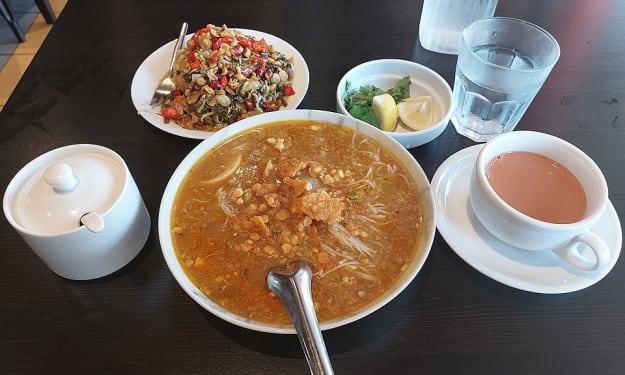
A Food Lover’s Guide to Yangon
Yangon served as Myanmar's capital until 2005. Now Naypyidaw holds that role. But Yangon stays the country's main city and trade center. It bursts with chaos, beauty, and bold flavors. Think crowded markets. Golden pagodas gleam. Street sellers hawk goods. All this shows Southeast Asia at its peak.
By ameliarosannaabout 14 hours ago in Viva
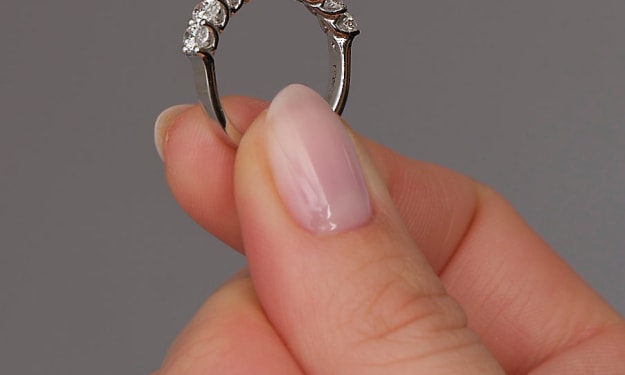
Beyond the Solitaire: Why the Women’s Diamond Engagement Band is 2026’s Biggest Trend
In the world of bridal jewellery, the landscape is shifting. For decades, the "Big Rock" or the classic solitaire was the undisputed queen of proposals across the UK. However, as we move through 2026, a new contender has claimed the spotlight: the women’s diamond engagement band.
By Mohd Kaishabout 14 hours ago in Viva
From Living Room to Legend: The Ultimate Guide to Sculpting Your Body and Mind at Home
In an era where time is our most precious currency, the traditional "gym grind" is being challenged by a more accessible, intimate, and equally powerful alternative: The Home Workout. Many believe that without a wall of heavy machinery or a monthly membership fee, physical transformation is impossible. That is a myth we are about to dismantle. Whether you are a busy professional, a stay-at-home parent, or someone who simply finds the gym environment intimidating, your living room holds the key to the best version of yourself.
By Salim Riahi4 days ago in Viva


Comments
There are no comments for this story
Be the first to respond and start the conversation.