
Empires in Stone:
Walking the Layers of Acre (Akko).

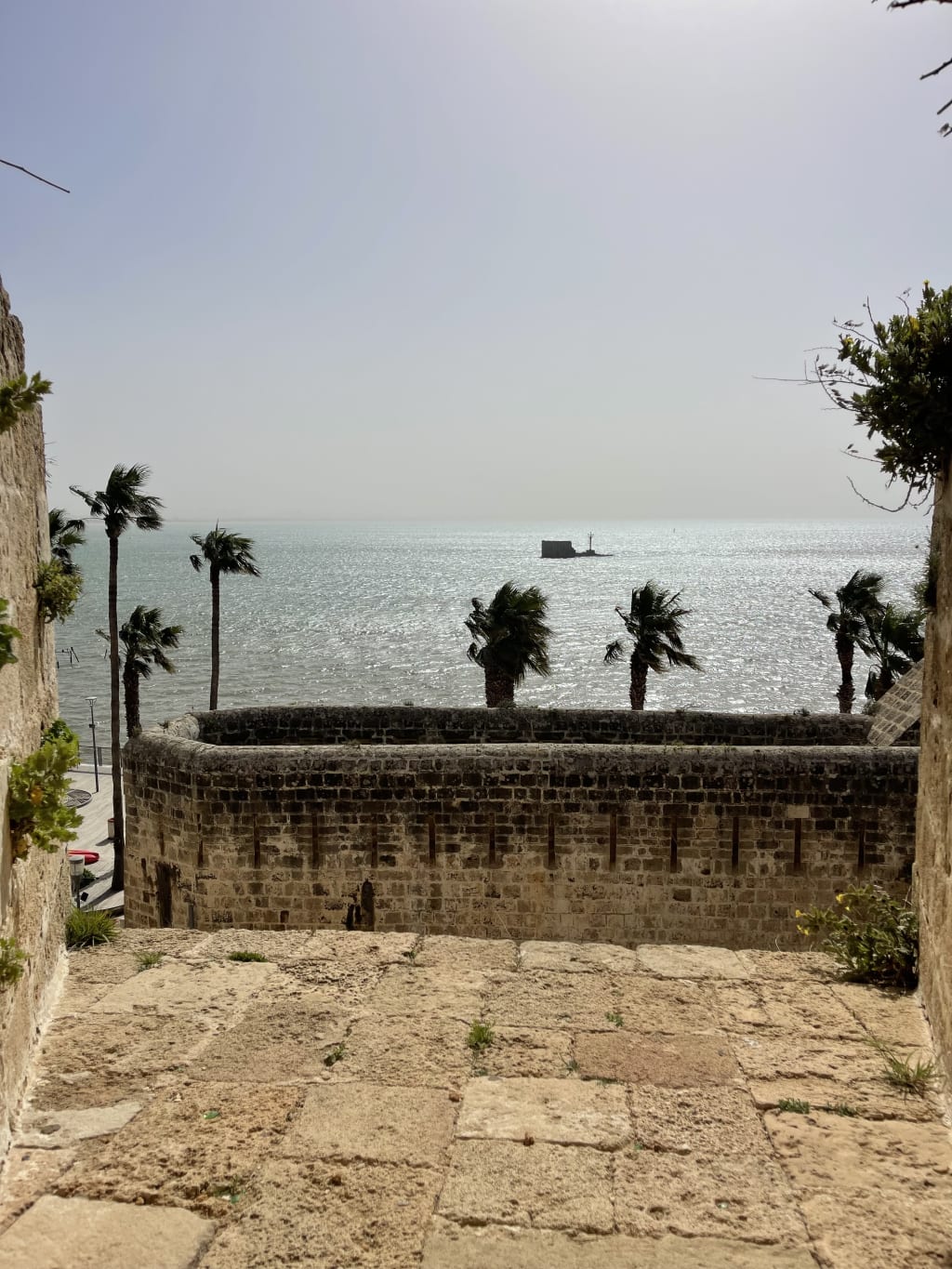
This was my first visit to Acre (Akko), and I brought my mental notebook. I knew of its significance to the Christian Crusades, but during my visit, I learned of the city’s much longer history and its importance to all the Abrahamic faiths.
I walked through the old stone gates under the shadow of the Crusader Knight Citadel. The air smelled of salt and cardamom. Schoolchildren weaved between vendors selling knafeh. A guide held up a laminated diagram of crusader vaults, using it like a battle map.
But I had learned that maps can be misleading unless you pay attention to the stones themselves.
The Templar Tunnel
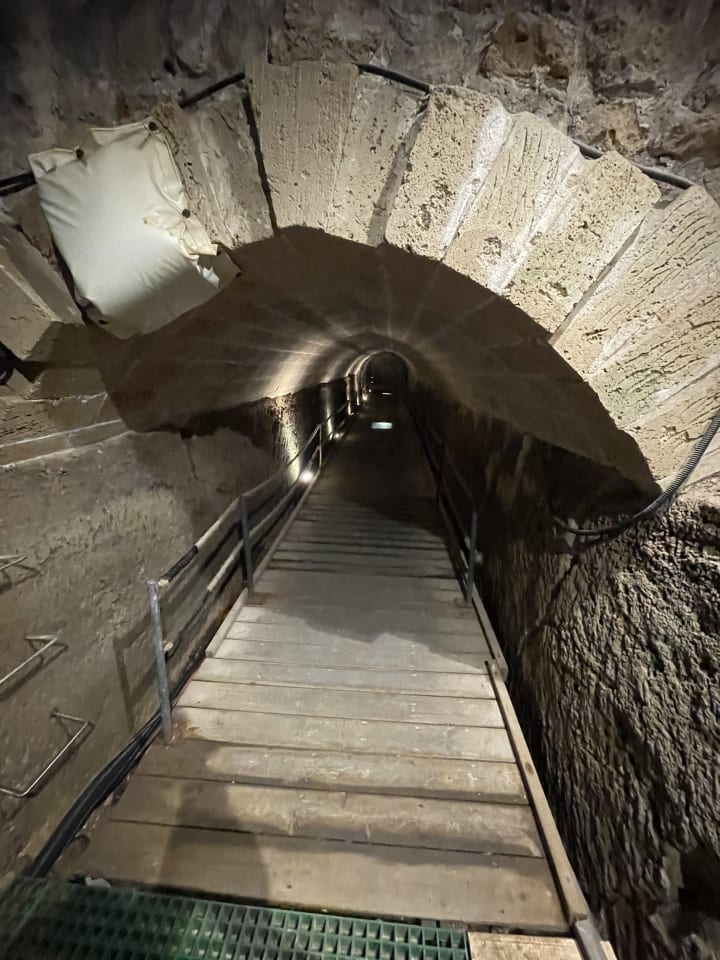
Going down into the Templar Tunnel felt like moving beneath the surface of time. This narrow passage, carved in the 12th century, once linked the Templar fortress to the port. Now, tourists walk through it with smartphones and a sense of quiet respect.
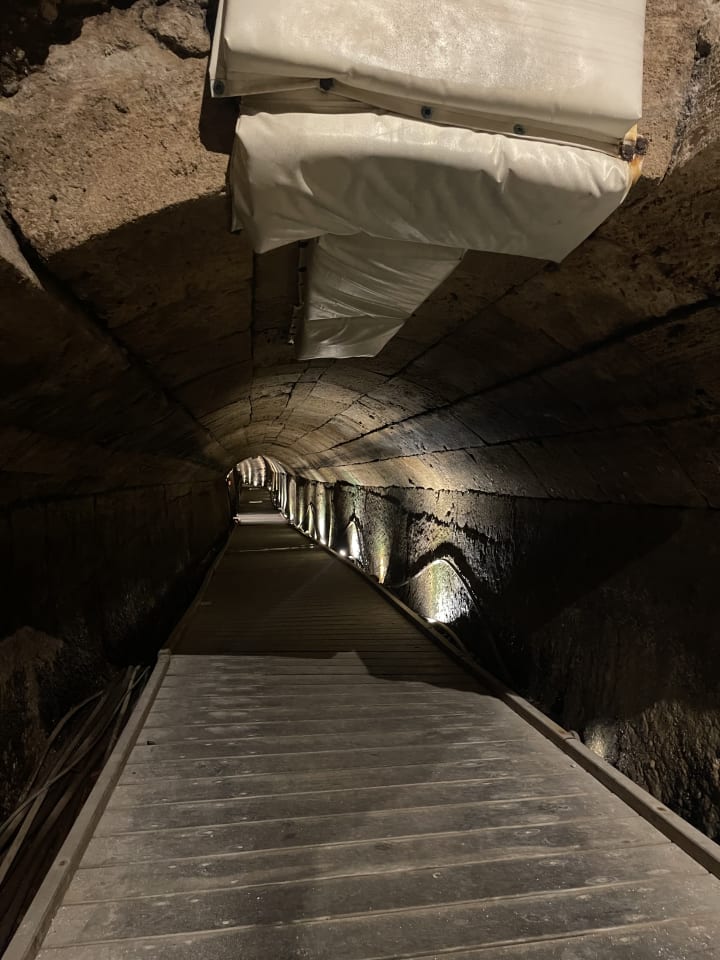
Water shone on the floor. The vaulted ceiling hung low above. I pictured armored men moving quietly here, their boots echoing, torches flickering, and contingency plans whispered in Old French. This was not a grand cathedral. It was a place for logistics and escape, a way to keep operations going.
I ran his hand along the damp stone.
Empires, I thought, survive more because of their tunnels than their banners.
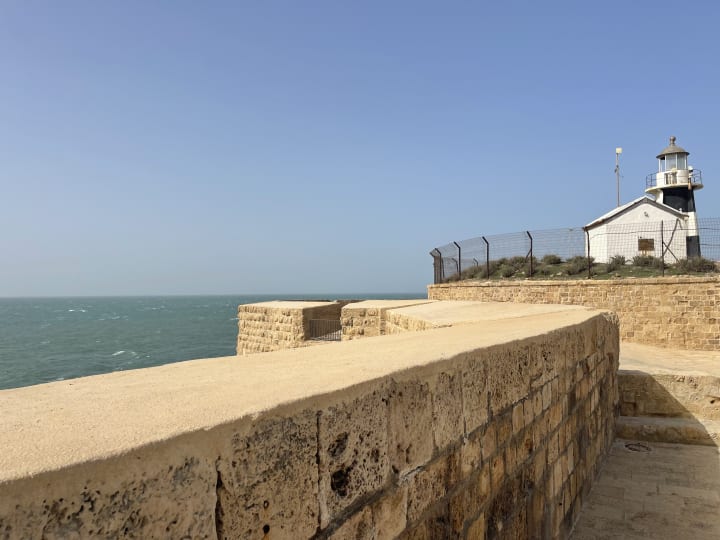
I wondered how many modern institutions, like governments, alliances, or security forces, mistake the visible tower for the true source of strength. The Templars understood the need for backup plans. When the siege came in 1291, they fought above and retreated below, using a layered strategy.
The Ramchal Synagogue
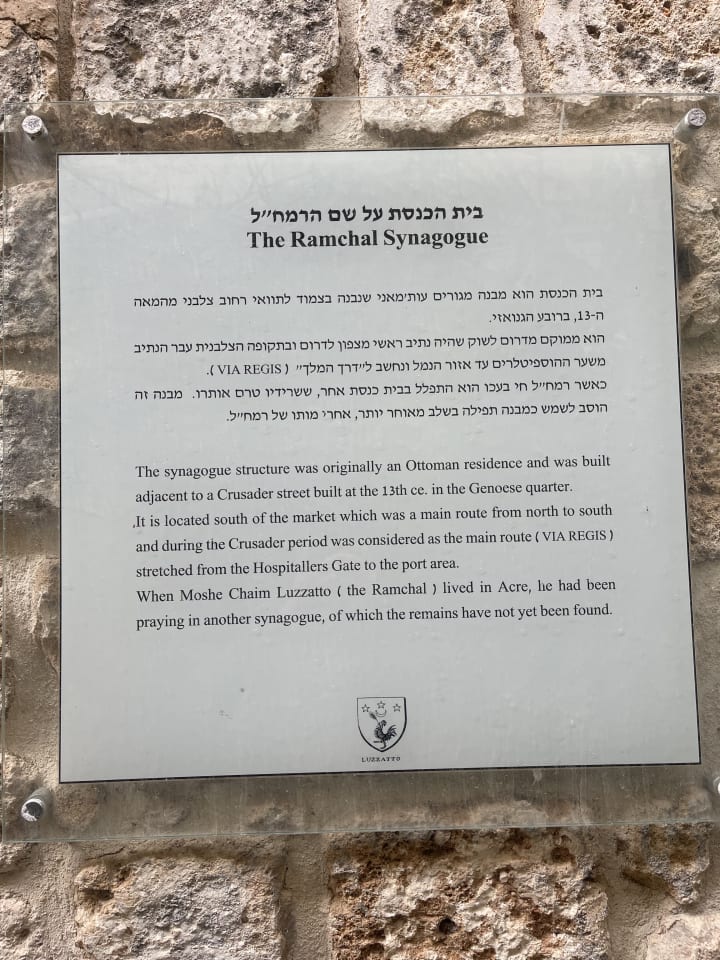
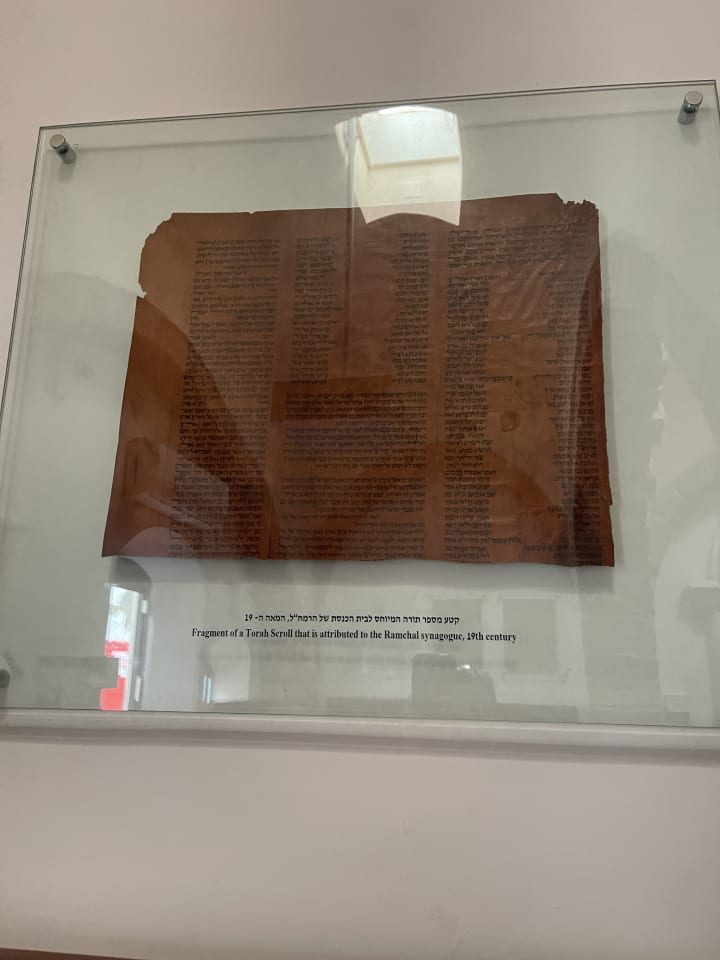
Sunlight appeared suddenly in the old quarter near the Ramchal Synagogue. The synagogue is smaller than you might expect and holds the memory of Rabbi Moshe Chaim Luzzatto, known as the Ramchal, whose mystical ideas once caused controversy across Europe.
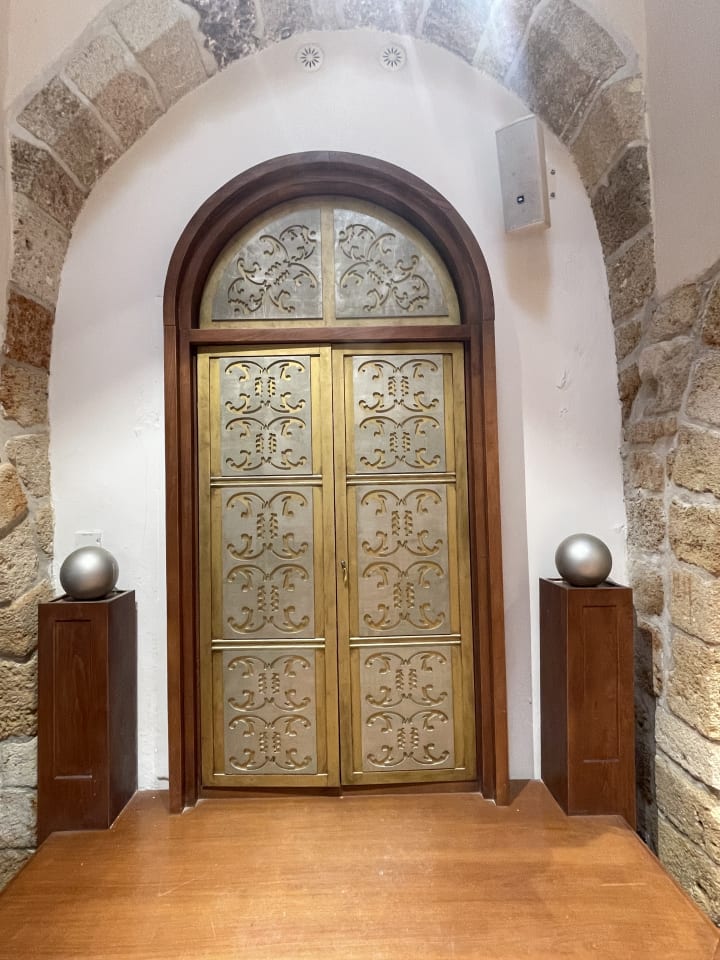
I sat quietly inside while a single worshiper murmured afternoon prayers. The space was not grand. It felt persistent.
Acre (Akko) has been ruled by the Phoenicians, Hellenists, Romans, Crusaders, Mamluks, Ottomans, and the British. Yet in this small sanctuary, continuity lasted not because of force, but because of text and ritual.
I reflected on the difference between power and endurance.
Armies secure territory. Ideas secure time.
The Ramchal wrote about hidden structures beneath what we can see. In a city full of buried halls and secret tunnels, this metaphor seemed almost real. Every civilization leaves behind two things: its walls and its words. Only words travel far.
The Turkish Bathhouse
At the Hammam al-Basha, the historic Turkish bathhouse, domed ceilings let light in through small round openings, like stars cut into stone. In the 18th century, the Ottoman governor, Jazzar Pasha, walked these halls, steam swirling around him as emissaries waited outside.
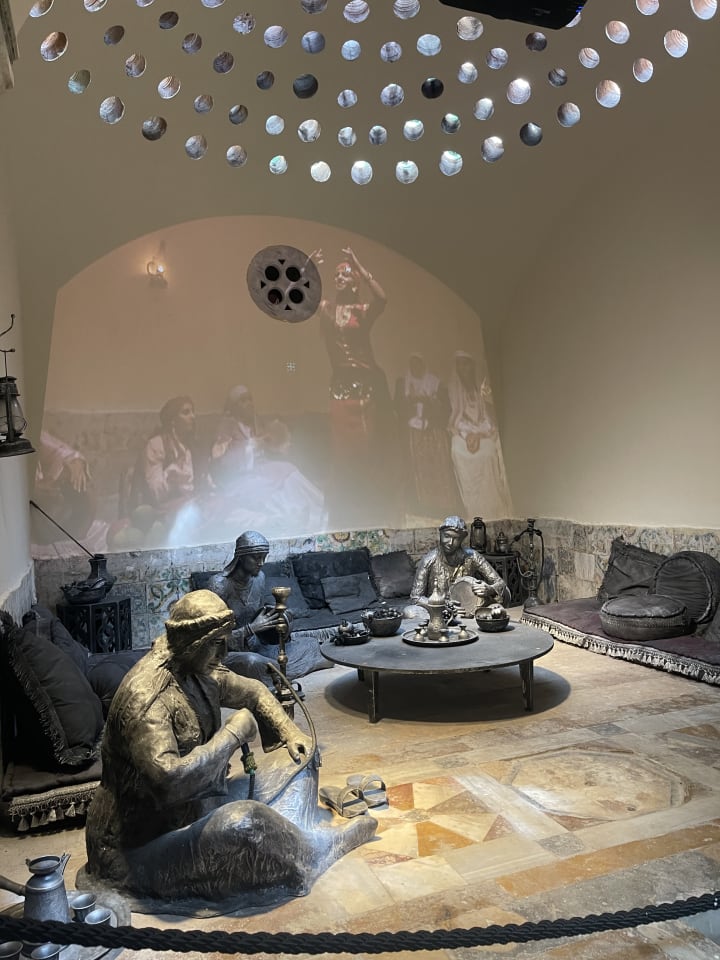
Bathhouses are political places that only seem like spaces for relaxation.
People discussed deals here. Alliances were tested, and rumors were quietly checked.
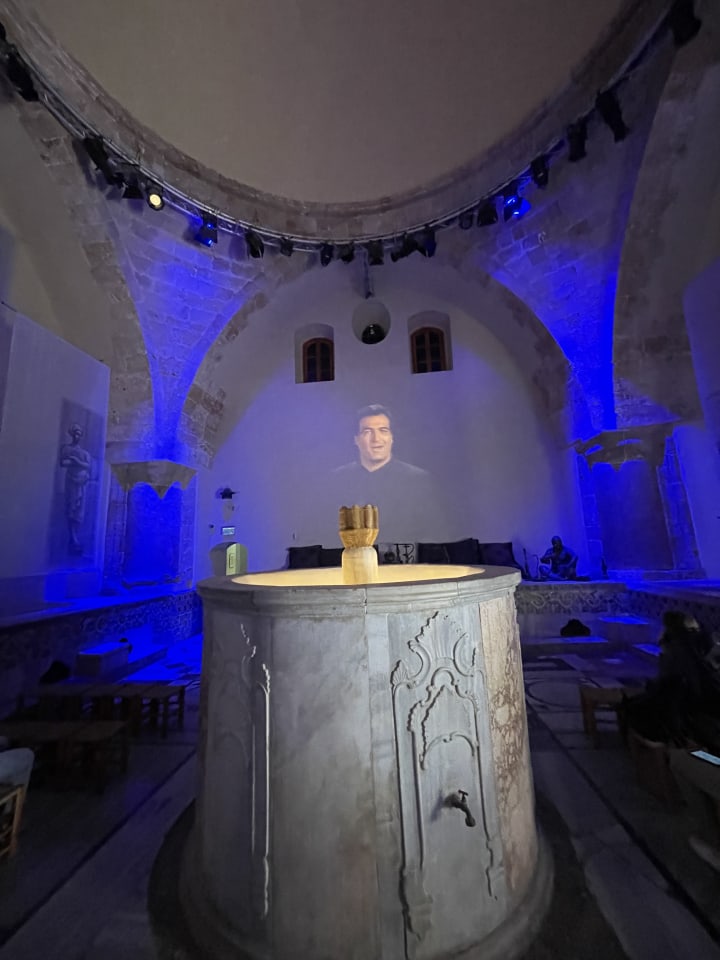
An audio installation played dramatized voices of bath attendants and guests. I smiled at the performance, but the main point remained clear: governance often takes place in informal settings. Not every decision is made at a polished table. Sometimes, it is worked out in the steam.
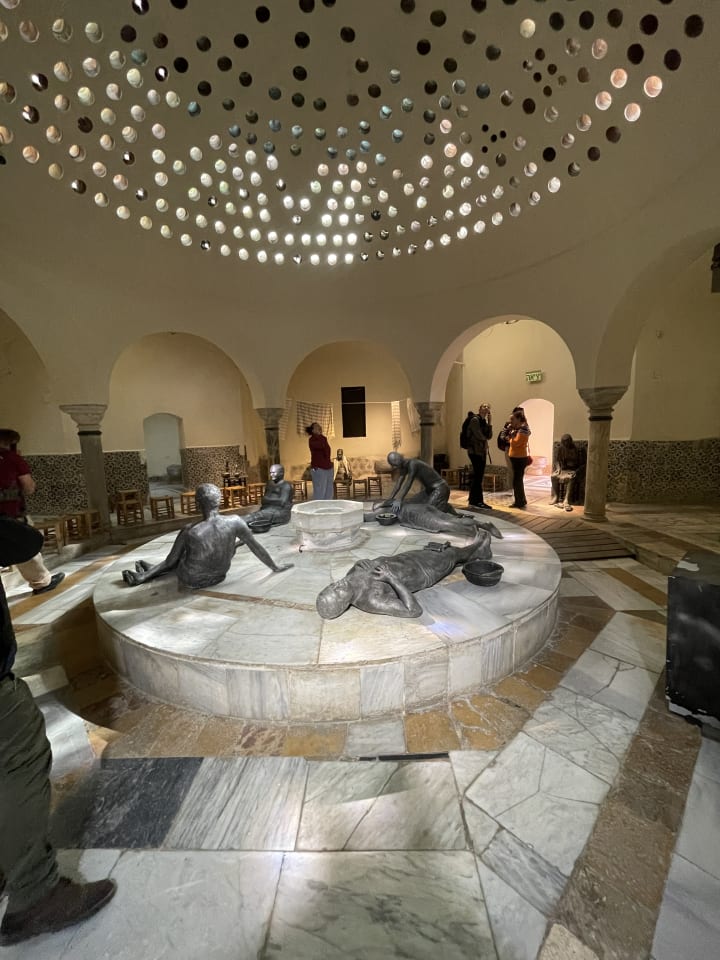
I thought about modern versions of this: side conversations at conferences, hallway chats, or WhatsApp messages sent late at night. Power has always liked to stay partly hidden.
Acre (Akko) shows this lesson quietly: formal buildings and informal influence coexist. Ignoring either is risky.
The Crusader Knight Citadel
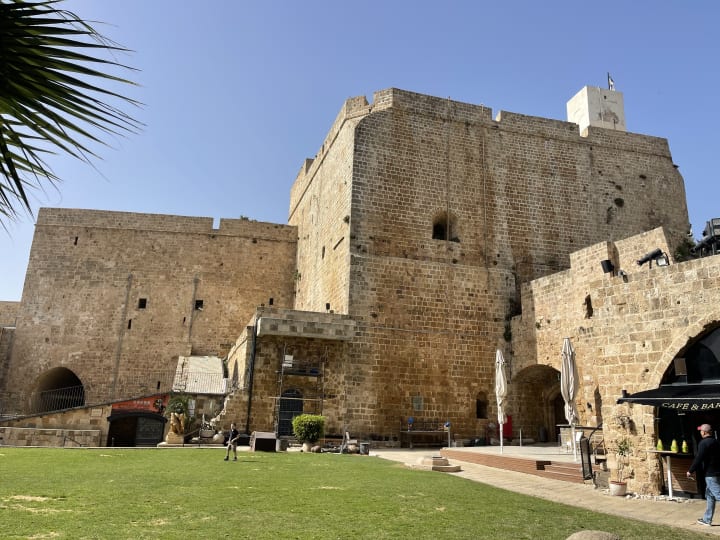
Under the city, the full size of the Crusader Knight Citadel is revealed: huge halls, ribbed vaults, and dining rooms big enough for a regiment. When it was rediscovered in the 20th century, archaeologists were amazed by its scale.
I walked through the Knights’ Hall, my footsteps swallowed by stone.
The Crusaders built to last: thick walls, connected chambers, and careful defensive design. Still, their kingdom here lasted less than two hundred years.
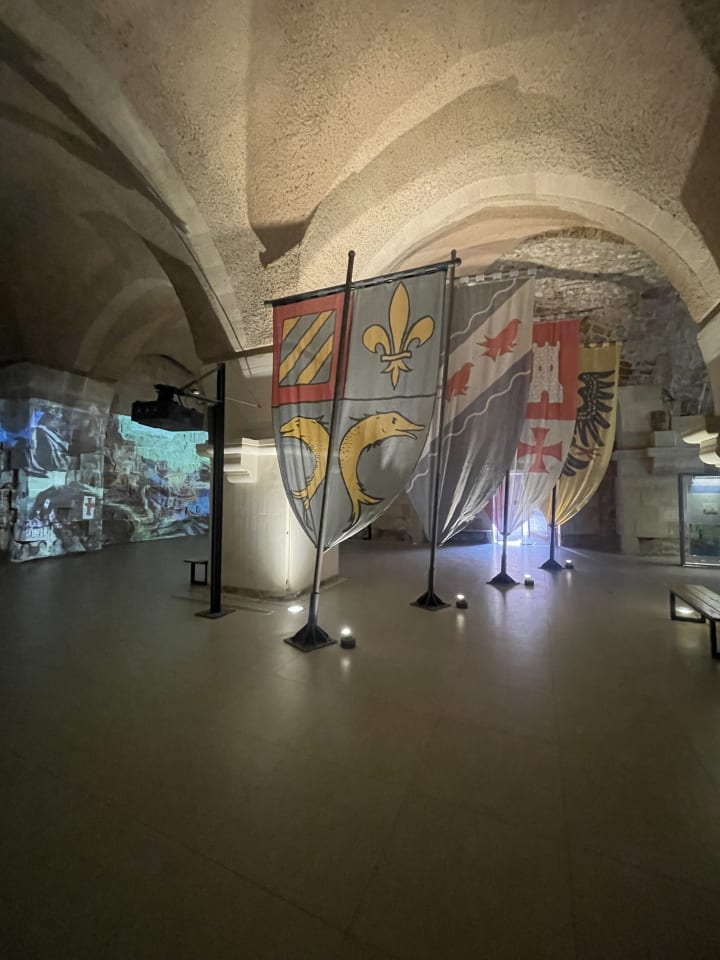
Institutions often mistake mass for durability.
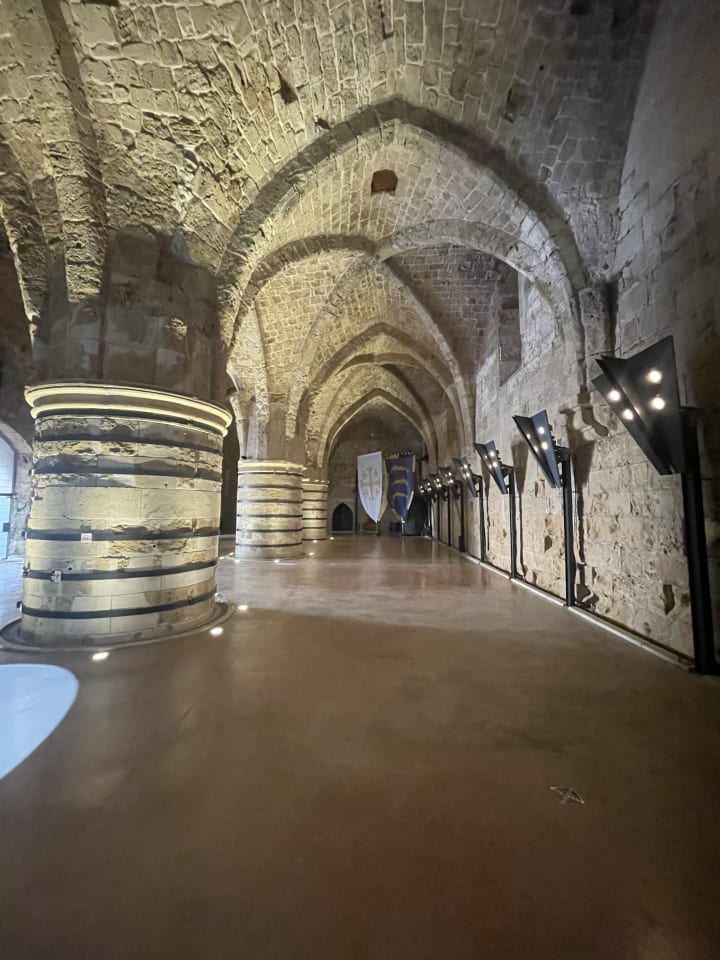
I stopped in a huge chamber where sunlight barely reached from above, long after its original use had faded. What does it mean to build something grand and still fail in strategy?
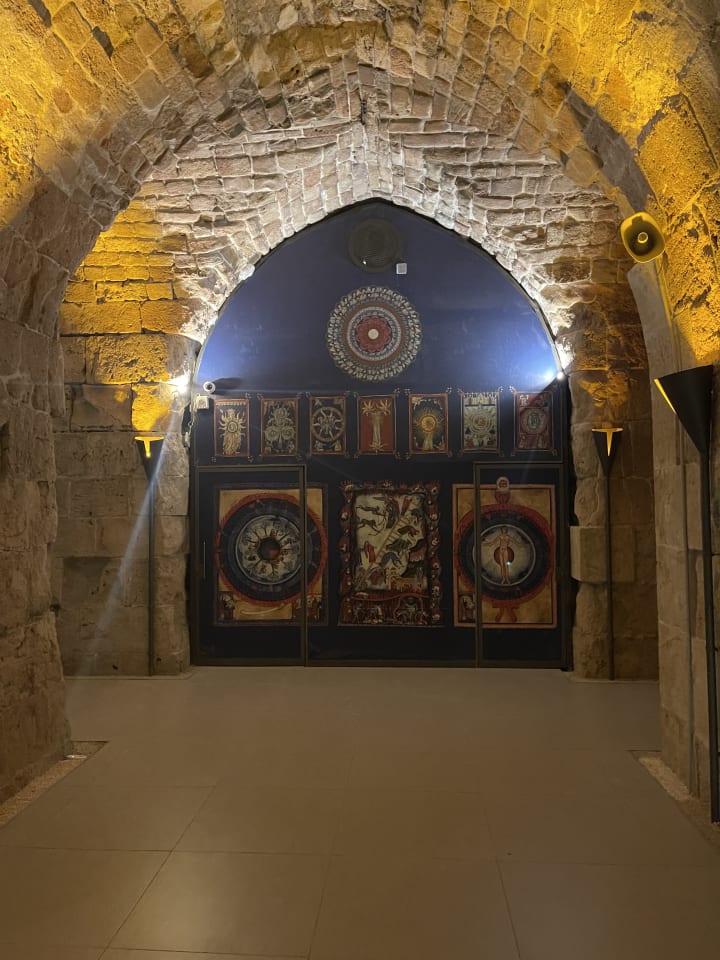
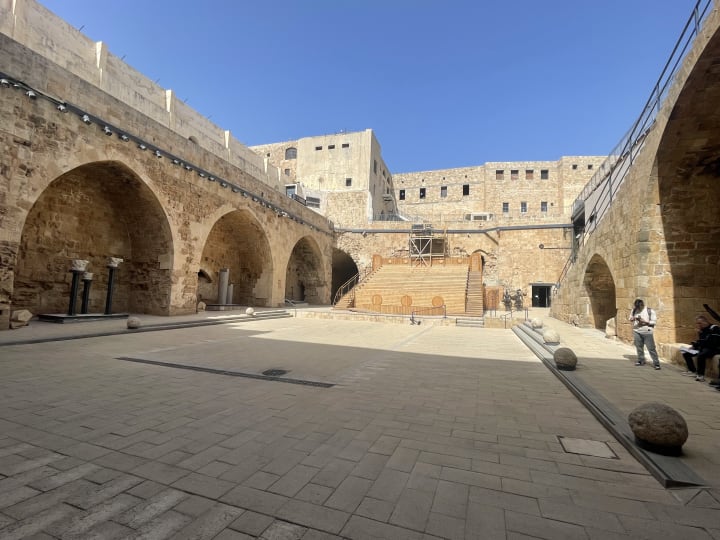
Acre (Akko) did not fall because its walls were weak, but because the political situation changed. Supply lines became too long, alliances broke apart, and enemies adjusted. He wrote in his notebook: Tactical skill cannot make up for being alone strategically.
The citadel stands as a reminder of both skill and mistakes.
The City Wall and Defensive Moats
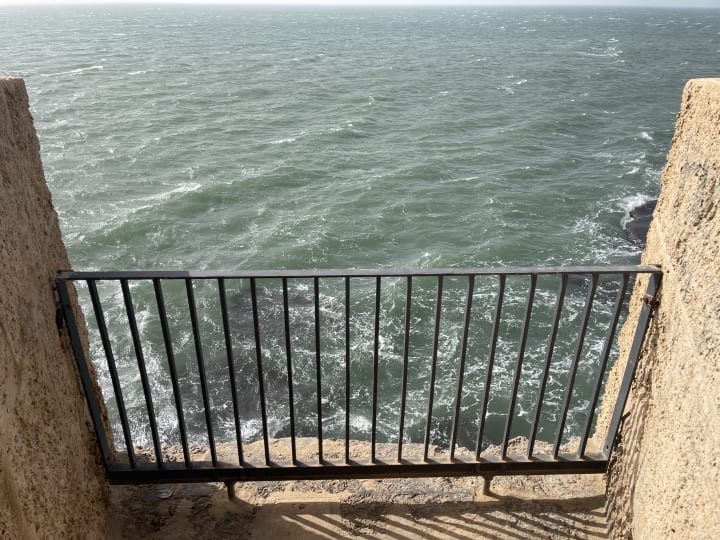
As the sun set, I climbed the Walls of Acre and looked out over the Mediterranean. The sea was a deep blue, and the horizon was calm. Below, the old defensive moat cut a clear line through earth and stone.
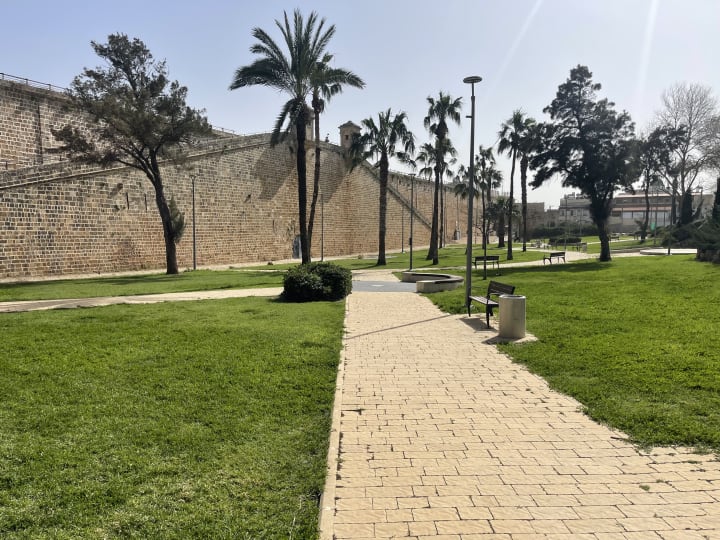
Napoleon once tried and failed to take Acre (Akko) in 1799. The walls held.
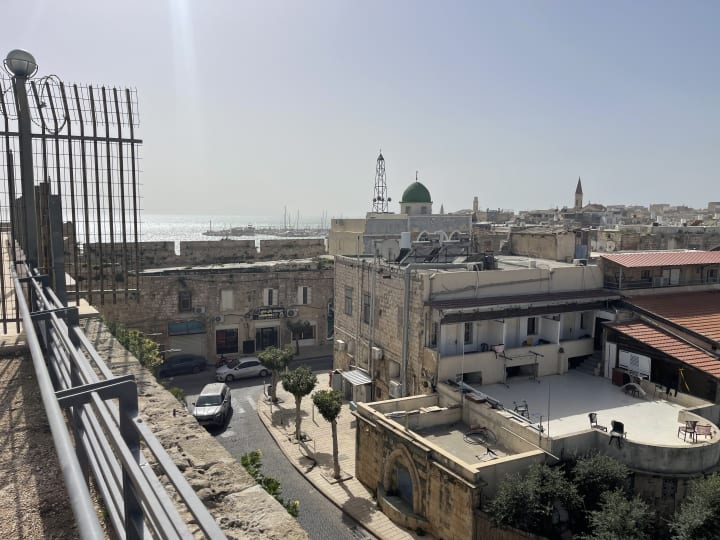
Children now rode bicycles along the ramparts. Couples leaned into the wind. The cannons point harmlessly toward a peaceful sea.
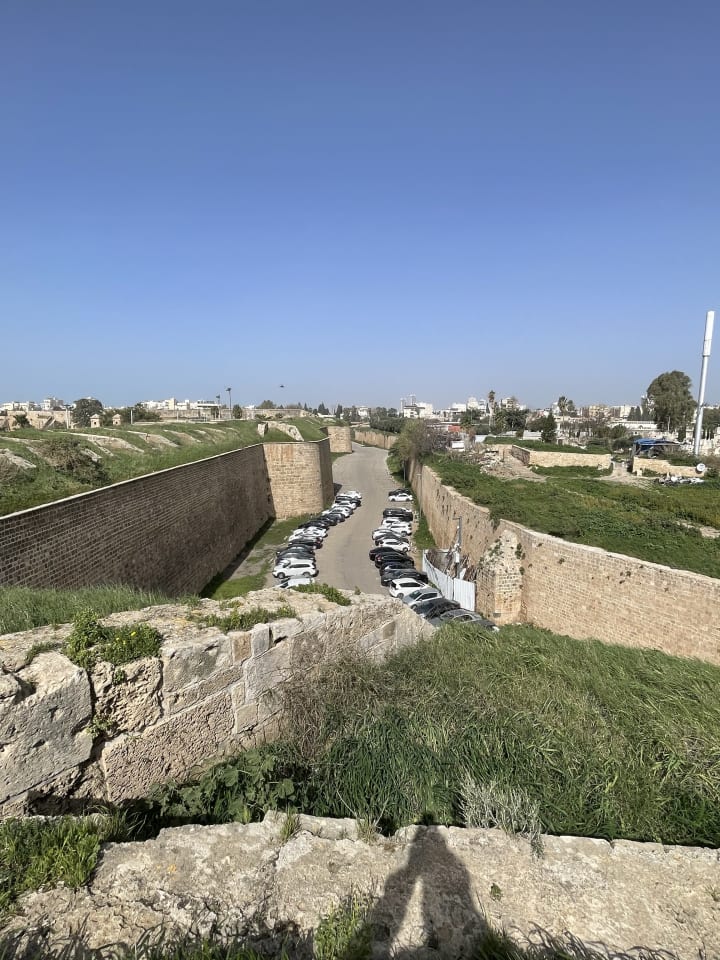
I leaned on the stone and thought about the irony: walls are built out of fear, but later become places for reflection.
Security does not last. Geography stays the same. Memory chooses what to keep.
Akko’s strength is not that it was never conquered—it was—but that it took in each new ruler and kept going. Crusader vaults lie under Ottoman baths, which are under modern shops. Layer after layer.
Here, resilience is evident in the layers of history.
As evening came, the call to prayer floated over the old city, and church bells rang in the distance. The Mediterranean changed from blue to a dark, iron color.
I closed my mental notebook.
Acre (Akko) does not pretend that history is simple. It accepts its complexity and survives because of it. Its tunnels show how people planned for the unexpected. Its synagogue stands for continuity. Its bathhouse represents informal power. Its citadel shows ambition. Its walls stand for vigilance.
He and his fellow travelers drove heading south toward Tel Aviv and back to Jerusalem. I thought that maybe the real lesson of Acre is not about holding territory, but about lasting through time.
About the Creator
Chad Pillai
Military Officer, World Traveler, and Author.
Keep reading
More stories from Chad Pillai and writers in Wander and other communities.
Where Hills Speak and Water Remembers:
When I first saw Nazareth’s skyline rising from the Galilean hills, it felt more like stepping into a long-held memory than just arriving somewhere new. Stone buildings tumbled down the slopes, with minarets and bell towers reaching into the same sky. Still, I was drawn to one place above all: the striking, modern Basilica of the Annunciation.
By Chad Pillai3 days ago in Wander
Seattle Nightlife Report: Pony
Mid-winter Friday night. Early but already so dark. The days are getting longer but 6 PM is still pitch black. “Firepit!” You declare things after just a few seconds of solemn thought – not a request or suggestion, not a demand. Last week you walked around saying, “Hot tub?” to anyone who would listen. Or one afternoon you pointed at two men holding hands as they crossed 12th Avenue, looked me in the eyes and said, “Boyfriends.”
By Joe Nasta | Seattle foodie poetabout a month ago in Wander
Comments
There are no comments for this story
Be the first to respond and start the conversation.