
Exploring Fes: A First-Time Traveler’s Guide to Morocco’s Oldest Imperial City
A Beginner’s Guide to Experiencing Marrakech with Confidence
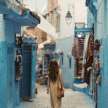

Fes is often called the spiritual heart of Morocco—a living museum where ancient craftsmanship, sacred traditions, and centuries of history still shape everyday life. Unlike Marrakech’s loud, fast-moving energy, Fes feels older, deeper, and more immersive. For first-time visitors, the city can be both mesmerizing and overwhelming, but that contrast is exactly what makes Fes unforgettable.
This guide offers a smooth introduction to the city’s medina, culture, and must-see experiences so you can appreciate Fes with ease and confidence.
A Step Back in Time: Entering Fes el-Bali
The moment you step into Fes el-Bali, the city’s oldest medina, you’re stepping into a world that hasn’t changed much in hundreds of years. This UNESCO-listed maze is believed to be the largest car-free urban zone in the world. Instead of traffic, you’ll hear donkeys passing by with supplies, the sound of artisans hammering brass, and the melodic call to prayer echoing across the rooftops.
Getting lost is normal, even expected.
Maps don’t always help—the alleys twist, dip, and rise unexpectedly.
It’s best to enjoy the journey rather than chase the correct path.
The medina’s beauty lies in its surprises: hidden courtyards, spice-scented souks, centuries-old mosques, and tiny workshops where craftsmanship is still done by hand.
The Iconic Tannery Experience
One of Fes’s most famous (and strongest-smelling) landmarks is the Chouara Tannery, a place that feels like a window into the 11th century. From the viewing terraces, you’ll see workers dyeing leather in massive stone vats filled with bright pigments—yellow, red, blue, and earthy browns.
Shops around the terraces may try to sell leather goods, but browsing calmly and observing the process is part of the charm. Take your time. Take photos. Take the sprig of mint they hand you—trust me, it helps.
A City of Sacred Learning
Fes is often described as Morocco’s cultural and religious center for a reason.
It’s home to Al Quaraouiyine University, founded in 859 and recognized as one of the world’s oldest continuously operating universities.
Scholars, philosophers, and poets have passed through its doors for centuries.
While the mosque and library interior are restricted to Muslims, the surrounding streets give a quiet glimpse into the academic heritage of the city.
Nearby, the Al-Attarine Madrasa—with its carved cedar, zellige tilework, and marble courtyard—provides one of the most breathtaking examples of Moroccan architecture.
The Soul of Fes: Artisans at Work
Fes is one of the last cities in Morocco where traditional craftsmanship remains at the heart of daily life. As you wander, you might see:
Copper craftsmen shaping lanterns
Tile-makers creating geometric zellige
Woodworkers carving cedar panels
Tailors stitching djellabas by hand
Watching these artisans work is like witnessing a living legacy. Many families have passed down these skills for generations, each adding their own style and techniques.
Practical Tips for Enjoying Fes
1. Dress Modestly and Comfortably
Fes is more traditional than Marrakech. Longer clothing is more respectful and helps you blend in.
2. Bring Good Walking Shoes
The medina streets can be steep, uneven, and crowded.
3. Be Cautious with “Helpers”
Just like in other Moroccan cities, some unsolicited guides may lead you toward shops in exchange for a tip. A polite “no, thank you” usually works.
4. Pace Yourself
Fes is intense in a different way—dense, layered, and full of detail. Plan breaks, especially at cafés overlooking the medina.
Where to Find Peace in the City
When the medina becomes overwhelming, there are wonderful places to slow down:
Jnan Sbil Gardens: A peaceful park filled with fountains, palms, and shaded paths.
Borj Nord: A hilltop fortress offering sweeping views of the medina.
Rooftop cafés: Perfect for mint tea, people-watching, and taking in the skyline at sunset.
These quiet spaces balance the sensory-rich experience of the souks.
A Taste of Fes
Food in Fes is both comforting and deeply traditional. Some flavors you shouldn’t miss:
Bissara: A warm split-pea soup often eaten for breakfast.
Rfissa: Chicken served with lentils and msemen bread.
Couscous on Fridays: Many locals still follow this weekly tradition.
And of course, finish with mint tea—the sweetest symbol of Moroccan hospitality.
Why Fes Stays With You
Fes is not a polished, modern city and that’s exactly why so many travelers love it. It feels raw, authentic, and unapologetically tied to its past. It challenges you, welcomes you, confuses you, and amazes you, all at once.
What makes Fes special is not just its landmarks, but the atmosphere: the blend of history and humanity packed into every alley. It’s a place where the past is not preserved behind glass walls it’s alive, Morocco classic tours
Whether you're exploring the tannery terraces, wandering through ancient madrassas, or sipping tea above the rooftops, Fes offers a journey that stays with you long after you leave.
About the Creator
Morocco classic tours
Travel blogger specializing in Morocco travel guides, itineraries, and cultural experiences.
Storyteller inspired by Morocco where every journey begins with mint tea and magic. check our website: https://www.moroccoclassictours.com/
Keep reading
More stories from Morocco classic tours and writers in Wander and other communities.
Essential Marrakech Travel Tips for First-Time Visitors
Marrakech is one of Morocco’s most captivating cities—famous for its rose-colored walls, lively streets, and blend of ancient culture with modern energy. For newcomers, the city can feel intense with its buzzing medina, colorful markets, and non-stop movement. But with a bit of preparation and the right expectations, your first trip can be smooth, enriching, and unforgettable.
By Morocco classic tours2 months ago in Wander
Seattle Nightlife Report: Pony
Mid-winter Friday night. Early but already so dark. The days are getting longer but 6 PM is still pitch black. “Firepit!” You declare things after just a few seconds of solemn thought – not a request or suggestion, not a demand. Last week you walked around saying, “Hot tub?” to anyone who would listen. Or one afternoon you pointed at two men holding hands as they crossed 12th Avenue, looked me in the eyes and said, “Boyfriends.”
By Joe Nasta | Seattle foodie poet11 days ago in Wander
What Is Included and Excluded in Standard Himachal Tour Packages?
Booking a Himachal Pradesh tour package requires knowing what’s covered and what’s not. Standard packages usually include hotels, transport, and sightseeing, while extras like adventure activities, personal expenses, and tips are often excluded. Being clear on this ensures a stress-free, budget-friendly trip.
By Viacation Tourism5 days ago in Wander



Comments
There are no comments for this story
Be the first to respond and start the conversation.