
Fes Hat: Origins, History, Types, and Cultural Significance
Discover the iconic Moroccan headwear that tells the story of Fes and its artisans

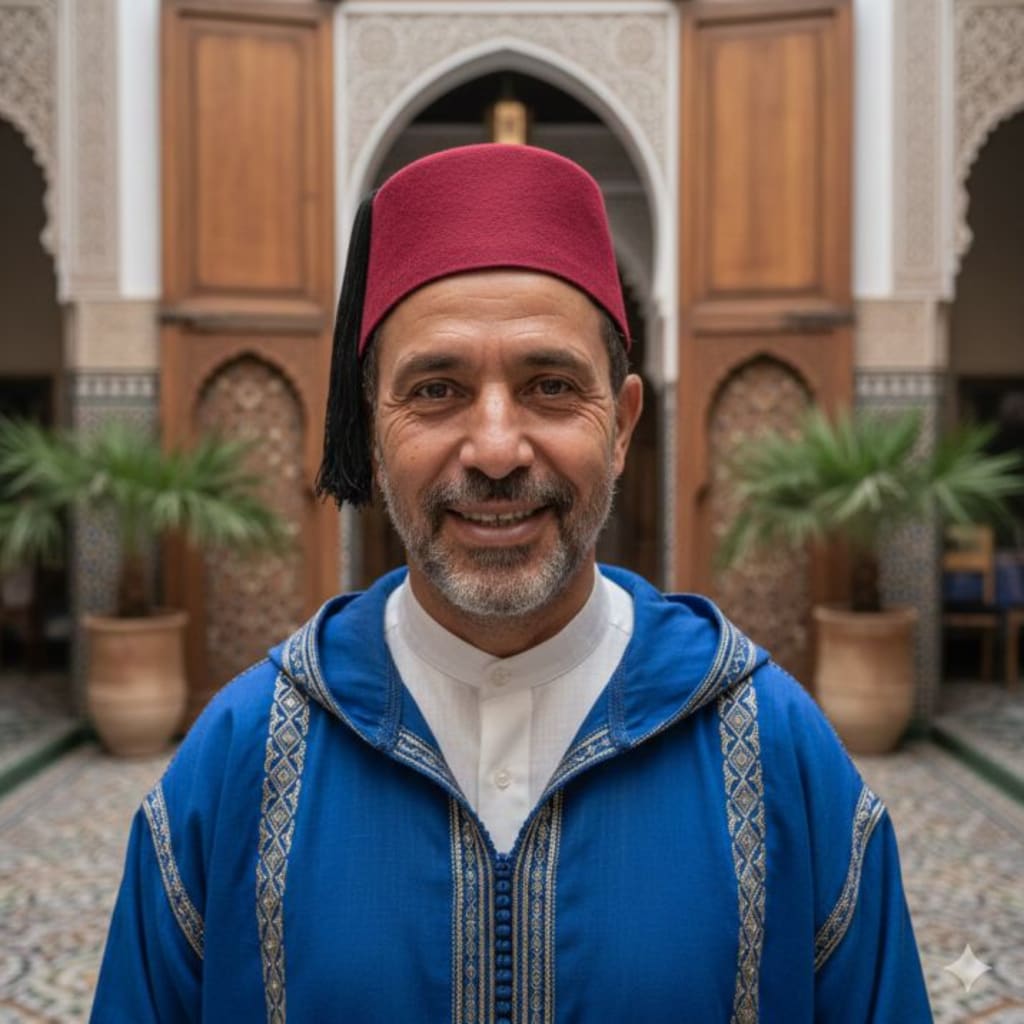
Few items in Morocco capture the essence of its culture like the Fes hat, also known internationally as the fez. Its deep red color, cylindrical shape, and iconic black tassel make it instantly recognizable. But beyond its appearance, the Fes hat carries centuries of history, cultural meaning, and artistic craftsmanship. It is not just a piece of clothing—it is a story worn on the head, connecting generations of Moroccans to their traditions.
During a recent trip to Fes, I had the chance to visit local workshops where artisans were crafting these hats by hand. Watching them carefully shape the wool, steam it, and attach the tassel was mesmerizing. Each hat felt alive, carrying the energy of hundreds of years of Moroccan heritage, a tangible connection to a culture that has been preserved through art, skill, and family traditions.
The Origins of the Fes Hat
The Fes hat originated in the city of Fes during the 17th century. While the style eventually spread across North Africa and parts of the Ottoman Empire, it became particularly significant in Morocco. Scholars, government officials, and religious leaders traditionally wore the hat, making it a symbol of education, social status, and respect.
The red felt is symbolic, often associated with courage, vitality, and energy, while the black tassel sometimes indicated wisdom or authority. Over the centuries, it has evolved from practical headwear to a ceremonial emblem, representing not only Moroccan fashion but also identity and heritage.
The city of Fes itself, one of Morocco’s oldest cultural and educational centers, played a critical role in shaping the hat’s history. As a hub of learning, artistry, and religion, Fes became synonymous with the hat, giving it its enduring name and legacy.
Types of Fes Hats
Over time, various types of Fes hats have emerged, each with its own meaning and use:
Traditional Red Fes: The classic version made from felted wool. It remains the most recognizable and is often worn during ceremonial events.
Black Fes: Historically associated with religious scholars or elders, this variation symbolizes knowledge and devotion.
Embroidered Fes: Some hats feature intricate gold or silver embroidery, indicating higher status or used in special occasions like weddings.
Modern Variations: Contemporary designers have experimented with fabrics, colors, and textures, creating Fes-inspired fashion pieces that respect the traditional design while appealing to modern tastes.
Despite the differences, all Fes hats share one common feature: meticulous craftsmanship. Each piece is handmade, shaped, and finished with care—a tradition passed down through generations.
Cultural Significance in Morocco
The Fes hat is not merely ornamental; it carries deep cultural weight.
Identity and Pride: Wearing the hat signifies respect for Moroccan traditions and pride in one’s heritage.
Ceremonial Use: Fes hats are often part of formal attire during weddings, religious ceremonies, and cultural festivals.
Symbol of Scholarship: Historically, it distinguished learned individuals and those holding official positions in society.
Tourist Appreciation: Today, visitors often encounter the hat in markets or cultural demonstrations, gaining insight into Morocco’s rich traditions.
During my visit to a Fes workshop, I watched an artisan carefully add a tassel to a freshly shaped hat. He explained that the process was not just functional—it was an expression of pride and connection to his ancestors. The hat, he said, “carries a story that words alone cannot describe.”
How the Fes Hat Is Made
The process of creating a Fes hat is a labor-intensive combination of skill, patience, and tradition:
Selecting the Wool – Only high-quality wool is chosen for durability and softness.
Felt Formation – The wool is boiled, pressed, and molded into the hat’s characteristic cylindrical shape.
Dyeing – Traditionally, natural dyes produce the deep red hue that is emblematic of the Fes hat.
Tassel Attachment – Each hat is finished with a black tassel, carefully stitched in place.
Visiting the workshops in Fes provides insight into the skill required to make a single hat. From wool selection to the final touches, every step is carried out with precision and care. Seeing these artisans at work makes it clear that each Fes hat is a piece of art, not just a garment.
Experiencing the Fes Hat Today
The Fes hat continues to be an important part of Moroccan culture. It is worn during traditional ceremonies, weddings, and cultural performances. Travelers can also encounter these hats in markets or craft shops across the country.
While some visitors purchase them as souvenirs, it is the story and craftsmanship behind each hat that truly matters. Interacting with artisans, learning about their methods, and understanding the hat’s history creates a memorable cultural experience that goes beyond simply owning an object.
The Fes hat is a bridge between past and present, tradition and modernity. It connects visitors to Morocco’s rich cultural heritage in a way few other items can.
Conclusion
The Fes hat is more than headwear; it is a symbol of Morocco’s cultural richness, artistry, and history. From the bustling streets of Fes to the quiet workshops where they are made, these hats carry stories of generations, skill, and pride. For travelers, observing, wearing, or learning about the Fes hat offers a unique window into Moroccan traditions and craftsmanship.
Next time you see a red felt hat with a black tassel, remember that it represents centuries of culture, artistry, and human connection—a small object with an enormous story to tell.
Sources & References
Morocco Family Vacation – insights into Moroccan culture and medina experiences
Moroccan Ministry of Culture and Communication
UNESCO reports on Moroccan craftsmanship and heritage
Observations from visits to Fes workshops and artisan demonstrations
About the Creator
Ariel Cohen
Ariel Cromwell | Morocco travel Writer and mom sharing local insights, family travel experiences, and practical tips to help others explore the country with confidence.
Keep reading
More stories from Ariel Cohen and writers in Wander and other communities.
Nomads of Morocco: The Last Keepers of an Ancient Way of Life
There are some stories you cannot learn from books or museums.To understand them, you must sit on the earth, share tea under open sky, and listen to people who live closer to nature than most of us ever will.This is what it feels like to meet the nomads of Morocco communities who have carried centuries-old traditions across mountains, deserts, and valleys, long before modern roads or cities existed. Their way of life is not just a lifestyle it is living history.
By Ariel Cohen2 months ago in Wander
Seattle Nightlife Report: Pony
Mid-winter Friday night. Early but already so dark. The days are getting longer but 6 PM is still pitch black. “Firepit!” You declare things after just a few seconds of solemn thought – not a request or suggestion, not a demand. Last week you walked around saying, “Hot tub?” to anyone who would listen. Or one afternoon you pointed at two men holding hands as they crossed 12th Avenue, looked me in the eyes and said, “Boyfriends.”
By Joe Nasta | Seattle foodie poet22 days ago in Wander
Kim Convenience
Kim's Convenience is a Canadian sitcom about Korean Canadian family named the Kim family and it centers around the funny everyday happenings in and around their convenience store of the same name. It is based in the city of Toronto, Canada.
By Revista Miko:XCIabout 18 hours ago in Wander
Bartender
On the heels of grief, pain bears down hard. On the heels of death, pain awakens the quiet place between the end of our own life and now. Feeling anything is like seeing a film and in black and white, slow motion, all sound turned off. Just watching. Gritting teeth, awkward smiles and bloody red eyes move around, scanning the others who are feeling something I don't want to feel, but I do. Escapism is all I have ever known. ~
By ROCK aka Andrea Polla (Simmons)2 days ago in Poets



Comments
There are no comments for this story
Be the first to respond and start the conversation.