
How to Experience Maldivian Culture and Traditions
Explore Maldives

The Maldives, an archipelago of over 1,000 islands scattered across the Indian Ocean, is often celebrated for its stunning beaches, luxurious resorts, and vibrant marine life. However, beyond its postcard-perfect scenery lies a rich cultural tapestry waiting to be explored.
Discovering the Maldives
While the Maldives is renowned for its pristine beaches and luxurious overwater villas, there’s much more to explore beyond the resorts. The capital city, Malé, serves as a great starting point for cultural exploration. Stroll through its bustling markets, visit historic sites, and delve into the nation's history at various museums.
Explore Cultural Places
Exploring cultural landmarks in the Maldives provides deeper insight into the nation's rich heritage. The 17th-century Hukuru Miskiy (Friday Mosque) in Malé stands as a testament to Maldivian craftsmanship, built from coral stones and adorned with intricate carvings and lacquer work. It is one of the oldest and most significant mosques in the Maldives, offering a glimpse into the country's Islamic traditions and architectural heritage. It's also one of the most common Maldives places to visit for tourists as they land in Male just before they head out to their resorts on private islands. The Maldives National Museum, housed in the former Sultan's Palace in Malé, showcases a vast collection of artefacts, including royal antiques, traditional costumes, and ancient weaponry. On Utheemu Island in the Haa Alif Atoll, Utheemu Ganduvaru, the birthplace and residence of Sultan Mohamed Thakurufaanu, offers a well-preserved wooden palace that provides insights into the country's past. Additionally, Mulee Aage Palace, built in 1906 in Malé, served as the residence of former Maldivian presidents. Although not open to the public, it is worth viewing from the outside to appreciate its unique architecture and historical significance. These landmarks collectively offer a rich tapestry of the Maldives' history and culture, making them essential stops for any culturally curious traveller.
Traditional Music and Dance
Music and dance are a big part of Maldivian culture. Boduberu, a traditional form of music and dance, is a must-see. This performance features rhythmic drumming and chanting, often accompanied by energetic dancing. Many resorts, including Velifushi Maldives by Cinnamon, organise Boduberu performances, allowing guests to experience this vibrant tradition firsthand.
Culinary Delights
Maldivian cuisine is a delicious blend of flavours influenced by Indian, Sri Lankan, and Arabic cuisines. Traditional dishes like Garudhiya (a fish soup), Mas Huni (a tuna and coconut mix), and Fihunu Mas (grilled fish) are must-tries. Visit local markets to sample fresh produce and seafood, and take a cooking class to learn how to prepare these dishes yourself. Many resorts offer Maldivian-themed dinners, providing a perfect opportunity to savour the local flavours.
Traditional Crafts and Souvenirs
The Maldives is known for its intricate handcrafts, including lacquered wooden boxes, woven mats (Thundu Kunaa), and handcrafted jewellery. Visiting local workshops and markets is a great way to see artisans at work and purchase unique souvenirs. Thulhaadhoo Island, in particular, is famous for its lacquer work and offers workshops where you can learn about this traditional craft.
Respecting Local Customs
When visiting local islands and interacting with the Maldivian people, it’s important to respect their customs and traditions to ensure a positive and respectful experience. Dress modestly, especially when visiting inhabited islands. Women should cover their shoulders and knees, while men should avoid wearing shorts. Wearing beachwear and revealing clothing is acceptable on resort islands but should be avoided on local islands. It’s also polite to ask for permission before taking photos of people, as some individuals may prefer not to be photographed. Always greet locals with a smile and a friendly "Assalaam Alaikum," which means "Peace be upon you" in Arabic, as a sign of respect. Remember to remove your shoes before entering homes or mosques, as this is a customary practice in Maldivian culture. When dining with locals, be mindful of their dietary restrictions, as the Maldives is a predominantly Muslim country where pork and alcohol are prohibited.
About the Creator
Keep reading
More stories from Sewmini James and writers in Wander and other communities.
How To Navigate Dubai with Ease
Dubai, a gleaming pinnacle in the UAE, is known for its vast expanse of skyscrapers, shopping malls, and lively culture. Whether it is your first time in the city or you’ve frequented it many times, getting around to places you need to be can be challenging if not done properly. However, with a well-planned approach, you can navigate Dubai effortlessly and maximise your stay. Here’s a detailed guide on how to get around Dubai quickly.
By Sewmini James 2 years ago in Wander
Seattle Nightlife Report: Pony
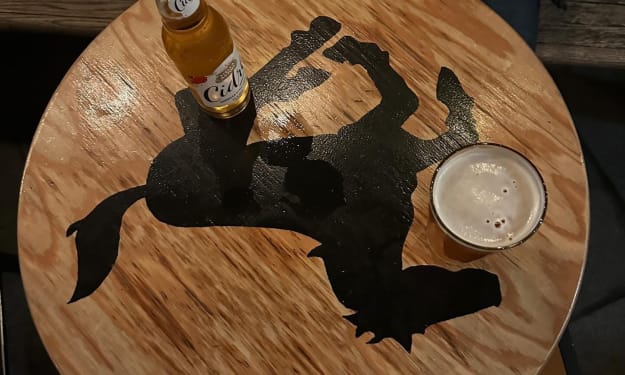
Mid-winter Friday night. Early but already so dark. The days are getting longer but 6 PM is still pitch black. “Firepit!” You declare things after just a few seconds of solemn thought – not a request or suggestion, not a demand. Last week you walked around saying, “Hot tub?” to anyone who would listen. Or one afternoon you pointed at two men holding hands as they crossed 12th Avenue, looked me in the eyes and said, “Boyfriends.”
By Joe Nasta | Seattle foodie poet25 days ago in Wander
Kim Convenience
Kim's Convenience is a Canadian sitcom about Korean Canadian family named the Kim family and it centers around the funny everyday happenings in and around their convenience store of the same name. It is based in the city of Toronto, Canada.
By Revista Miko:XCI by Rikki La Rouge4 days ago in Wander
Bartender
On the heels of grief, pain bears down hard. On the heels of death, pain awakens the quiet place between the end of our own life and now. Feeling anything is like seeing a film and in black and white, slow motion, all sound turned off. Just watching. Gritting teeth, awkward smiles and bloody red eyes move around, scanning the others who are feeling something I don't want to feel, but I do. Escapism is all I have ever known. ~
By ROCK aka Andrea Polla (Simmons)5 days ago in Poets



Comments
There are no comments for this story
Be the first to respond and start the conversation.