
Kurinjal Trek – A Quiet Walk Where the Forest Slowly Spoke to Me
Kurinjal promised silence, forests, and long walks—and honestly, that was all I needed at that moment.
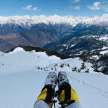
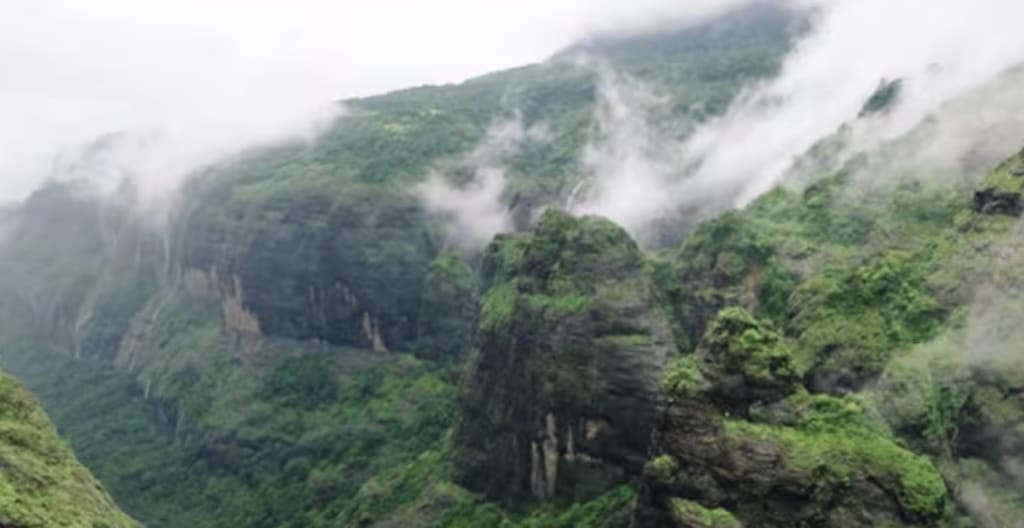
The Kurinjal trek was never on my “must-do” list. I hadn’t seen many reels or dramatic photos about it, and maybe that’s exactly why I chose it. I wanted a trek that felt raw and peaceful, something that didn’t feel crowded even before I started. Kurinjal promised silence, forests, and long walks—and honestly, that was all I needed at that moment.
What I didn’t expect was how deeply this quiet trek would stay with me. It wasn’t loud or thrilling. It was slow, tiring, beautiful, and very real.
Reaching the Base of Kurinjal: Long Roads, Small Delays, and First Nerves
We left early in the morning for Kudremukh, the region where the Kurinjal trek begins. The drive itself was scenic—misty hills, narrow forest roads, and endless greenery. But we made a small mistake by assuming Google Maps timings would be accurate. The last stretch took longer due to forest roads and check posts.
By the time we reached the forest entry point, we were already behind schedule. The forest officer gave us instructions, checked our bags, and reminded us not to litter. Standing there, I suddenly felt nervous. Once inside, there would be no shops, no network, and no turning back easily.
That feeling stayed with me as we stepped onto the trail.
The Initial Forest Walk: Cool Air, Crunching Leaves, and Easy Confidence
The first part of the Kurinjal trek felt gentle. Tall trees surrounded us, sunlight slipped through the leaves, and the forest floor was covered with dry leaves that made soft crunching sounds as we walked.
The air was cool and smelled earthy. Birds called out from somewhere above, and occasionally, we could hear water flowing far away. This part felt calming, almost too easy. We walked confidently, talking and laughing, thinking the trek would stay this comfortable.
That confidence didn’t last long.
When the Climb Began: Sweat, Silence, and Slow Steps Forward
After a while, the trail started climbing steadily. The forest became denser, and humidity increased. Sweat appeared quickly, and conversations slowly faded. Everyone walked quietly, focusing on breathing and steps.
I realized I had packed poorly—extra clothes and not enough quick snacks. My backpack felt heavier with every step. It wasn’t a big mistake, but on a continuous climb, even small things matter.
We took short breaks, sitting on rocks and fallen logs. During those pauses, the forest felt alive. Wind moved the leaves, insects buzzed softly, and the silence felt comforting, not empty.
Open Grasslands and Sudden Weather Changes Near the Top
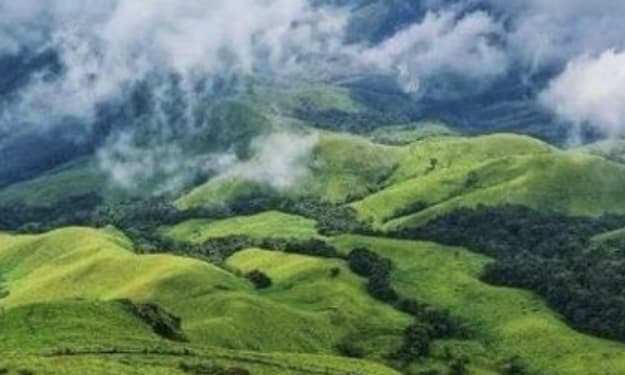
As we climbed higher, the forest slowly opened into grasslands. This transition was beautiful. Suddenly, there were wide views—rolling green hills, mist floating through valleys, and endless sky.
The weather changed quickly. Clouds rolled in without warning, and the temperature dropped. What started as a warm climb turned into a cool, windy walk. I was glad I hadn’t removed my jacket completely.
The final stretch was tiring. My legs felt heavy, and the path seemed longer than expected. But every time I looked around, the views pushed me forward.
Standing on Kurinjal Peak: Wind, Clouds, and Complete Silence
Reaching Kurinjal peak didn’t feel dramatic. There were no crowds, no loud cheers. Just strong wind, moving clouds, and silence.
Sometimes the view disappeared completely behind mist, and sometimes the valleys opened up suddenly. I stood there quietly, letting the wind hit my face. My legs were tired, my clothes slightly damp, but my mind felt calm.
We sat there for a while, sharing snacks and smiles. No rush to leave. No pressure to capture the perfect photo. Just being there felt enough.
Descending and Ending the Day: Sore Legs, Warm Food, and Relief
The descent was easier on the lungs but harder on the knees. Fatigue had fully settled in, and we walked carefully. Still, the forest felt welcoming on the way down.
After completing the trek, we stayed near Kudremukh in a simple homestay. The rooms were basic but clean. The food—hot rice, curry, and vegetables—tasted incredible after the long walk. That night, sleep came easily.
Practical Tips from My Kurinjal Trek Experience
Best time to visit Kurinjal: October to February offers pleasant weather and clear views
How to reach: Travel to Kudremukh from Bangalore or Mangalore, then reach the forest check post
Budget: The Kurinjal trek is budget-friendly; main expenses include travel, food, stay, and forest entry
What to carry: Good trekking shoes, enough water, light snacks, rain jacket, and minimal luggage
Fitness level: Moderate fitness is enough, but continuous climbing can be tiring
About the Creator
Rohit SEN
Hey! Come along with me to explore beautiful places, learn about different cultures, and share my adventures. Let's Explore together! From a travel lover!
Seattle Nightlife Report: Pony
Mid-winter Friday night. Early but already so dark. The days are getting longer but 6 PM is still pitch black. “Firepit!” You declare things after just a few seconds of solemn thought – not a request or suggestion, not a demand. Last week you walked around saying, “Hot tub?” to anyone who would listen. Or one afternoon you pointed at two men holding hands as they crossed 12th Avenue, looked me in the eyes and said, “Boyfriends.”
By Joe Nasta | Seattle foodie poet24 days ago in Wander
The Graham Norton Show
The Graham Norton Show is a british an entertainment show hosted by Graham Norton period his talk show is a really fun and quirky celebrity and entertainment talk show every celebrity and guess that goes on can have have their own choice of drinks be it alcoholic or an alcoholic but then again please remember this is in Britain and you're up so it's a lot looser the restrictionsPeriod one of my favoriteEpisodes of the Grand NortonTalk show was when Boy George was onAnd I was obsessed with that particular Graham NortonTalk show episode I watched itOver over and over againBecause it was so goodPeriodThe Graham Norton ShowIs a really good talk showPeriod
By Revista Miko:XCI by Rikki La Rouge3 days ago in Wander



Comments
There are no comments for this story
Be the first to respond and start the conversation.