
Seaside Charm and River Restoration in Southwest England
Visiting Budleigh Salterton and Otterton

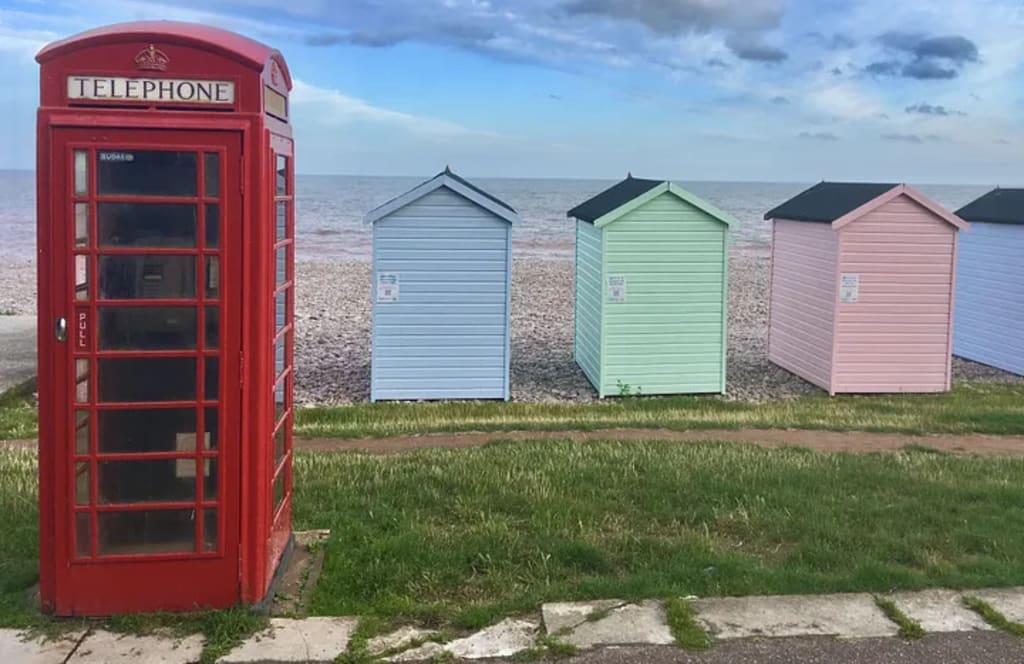
In the summer of 2023, my partner and I spent three months slow traveling and working remotely in Europe. The general idea was to spend around one month each in three countries. This was modeled after my previous visit to Europe, in which I stayed in Estonia, Germany, and Slovenia. This time, we chose Slovakia, Germany, and the UK.
Originally, the UK wasn’t on our list. However, when we decided to make petsitting a major part of our adventures, we saw that the most opportunities were in the UK. That’s how we ended up spending two weeks in a little town called Budleigh Salterton.
Budleigh Salterton
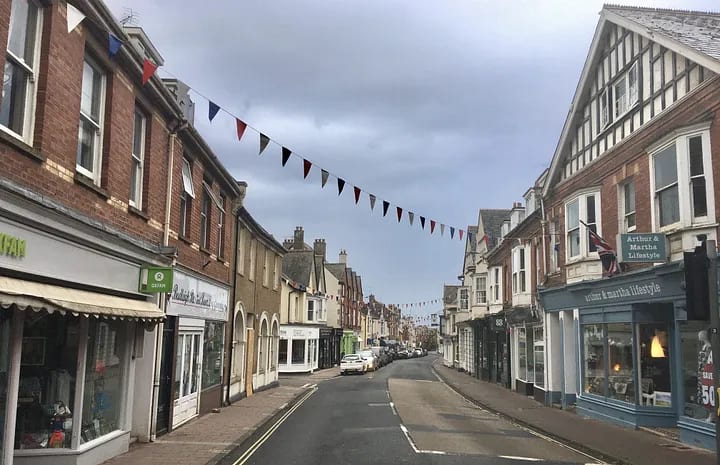
Budleigh Salterton is a lovely little town on the East Devon coast, fairly close to the southwest corner of England. It’s a quiet town with around 6,000 residents, a lovely downtown, and a pebble beach.
Red cliffs line the coast.
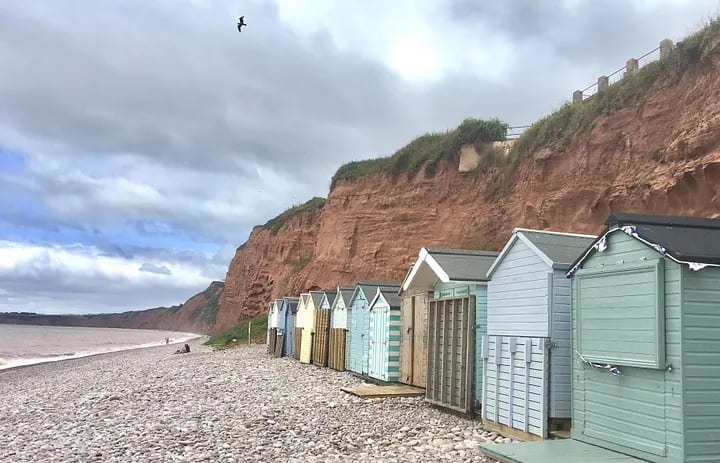
The red cliffs and the quartzite pebbles on the beach are around 250 million years old. The pinkish-red color is the result of oxidized iron minerals (rust). The water near the shore is often bright red from bits of the cliffs washing into the sea.
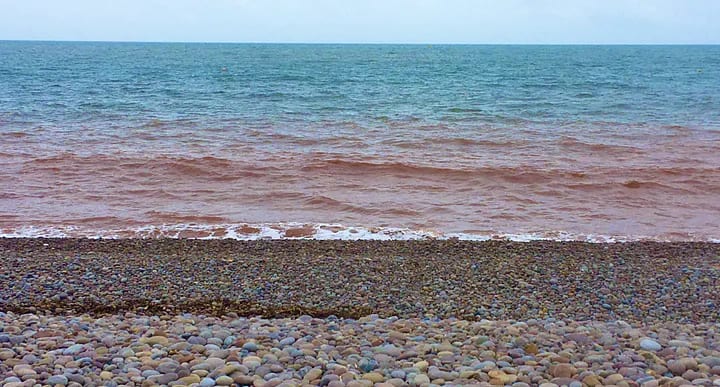
...That's a five-layer photo, sponsored by Jurassic Coast geology: blue sky, blue sea, red sea, dark pebbles, and light pebbles.
From Budleigh Salterton, one can trek a few kilometers inland along the River Otter (in US English we would call it the Otter River) towards Otterton, a tiny village worth visiting for its working water mill.
We visited during an interesting time, as the Lower Otter Restoration Project is rearranging the area where the river meets the sea. The project involves restoring a natural connection between the river and the ocean by raising a road. This will improve wildlife habitat and mitigate the effects of climate change and extreme weather.
Here’s a look at the work that was being done. I love seeing projects like this one.
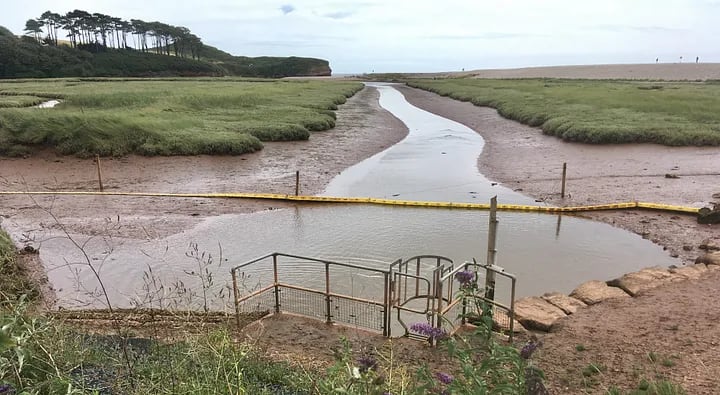
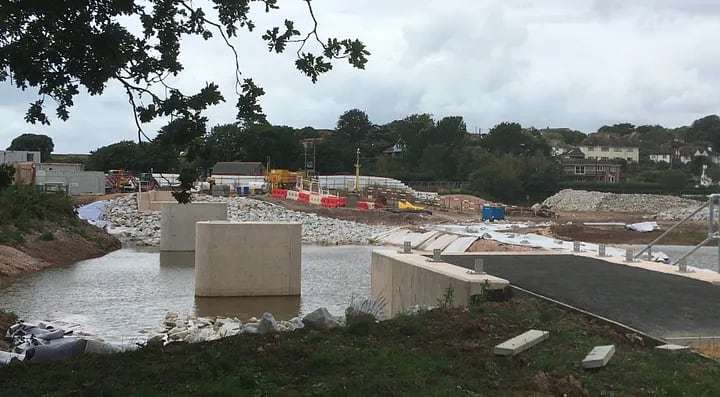
The River Otter has no otters, but it is one of the very few places in the UK with wild beavers. We didn’t spot them, but it was nice to know that they were nearby as we walked along the river to Otterton.
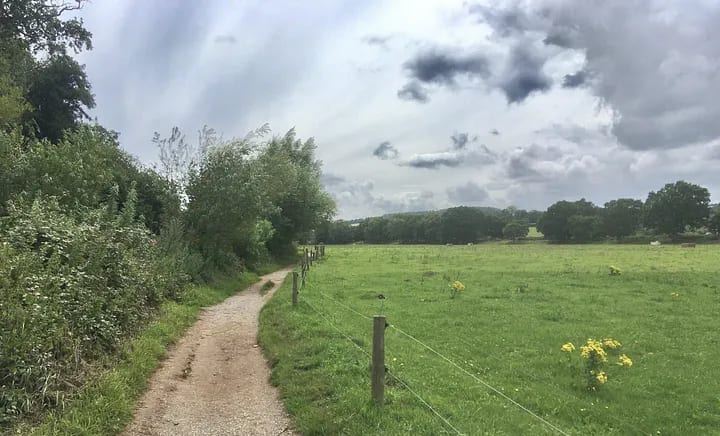
Records show that between 1911 and 2011, Otterton’s population went from 622 to 656. How’s that for growth?
Most of the village’s structures are made with traditional building materials: stone, cob, and thatched straw.
From the village’s Design Statement document:
Till recent times the practical and monetary cost of importing building materials led to the use of those available locally. Otterton displays a range of such materials, which lend it a sense of time and place. A settlement that, for the most part, sits easily and naturally in the landscape, built as it is from that very landscape.
As a former author of urban planning documents, I appreciate the poetic prose!
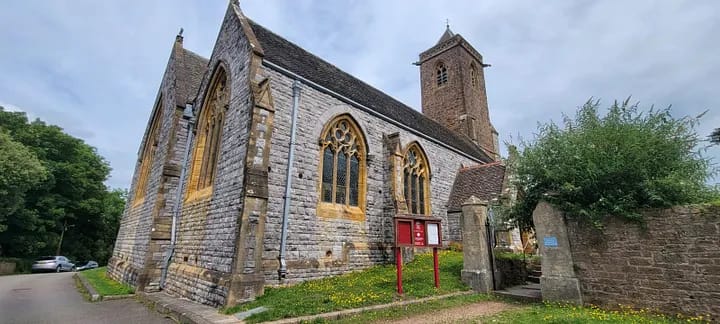
Otterton is also home to a working water mill. Where the Otterton Mill operates today, milling has occurred since the year 1086. Next to the mill, there’s a craft shop, bakery, and restaurant. Visitors can sample bread that’s not only freshly baked, but made from freshly-milled grain.
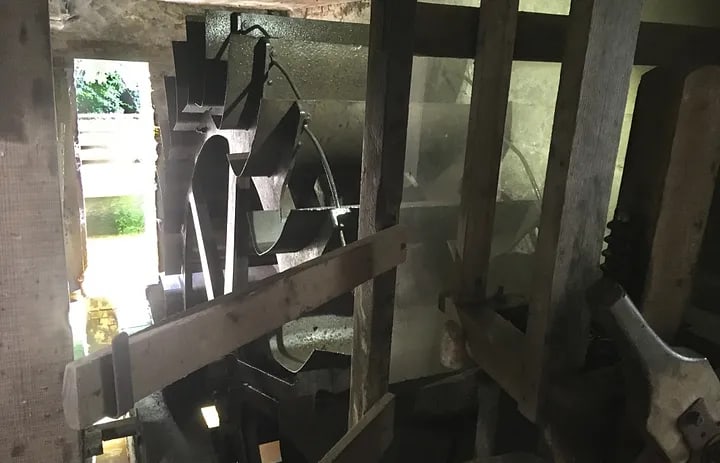
I’m grateful that petsitting brought us to this corner of England that we otherwise never would have found. It was a cozy place to spend a few weeks as we wrapped up an incredible three months in Europe.
This story was originally published on Medium, here.
About the Creator
Keep reading
More stories from Kenny Minker and writers in Wander and other communities.
Picking up a Hitchhiker Was a Highlight of My Cross-Country Road Trip
When you drive past a hitchhiker, you have a few brief moments to make a decision. The obvious choice is always not to stop. Picking them up means risking letting a crazy person in your car — maybe leading to awkward conversations, solicitations, or worse. Sadly, my generation grew up with stern warnings against hitching rides or picking up hitchers. So, it’s easy to assume the worst about anyone who’s still attempting this form of travel.
By Kenny Minker11 months ago in Wander
Seattle Nightlife Report: Pony
Mid-winter Friday night. Early but already so dark. The days are getting longer but 6 PM is still pitch black. “Firepit!” You declare things after just a few seconds of solemn thought – not a request or suggestion, not a demand. Last week you walked around saying, “Hot tub?” to anyone who would listen. Or one afternoon you pointed at two men holding hands as they crossed 12th Avenue, looked me in the eyes and said, “Boyfriends.”
By Joe Nasta | Seattle foodie poet23 days ago in Wander


Comments (2)
I've nominated your piece as a Top Story on this weeks Raise Your Voice https://todaysurvey.today/resources/raise-your-voice-thread-03-27-2025%3C/span%3E%3C/span%3E%3C/span%3E%3C/a%3E%3C/p%3E%3C/div%3E%3C/div%3E%3C/div%3E%3Cstyle data-emotion-css="w4qknv-Replies">.css-w4qknv-Replies{display:grid;gap:1.5rem;}
Lovely images and thanks for sharing you travels with us