
Why Ramadan Umrah Requires a Different Mindset
How Patience, Restraint, and Acceptance Transform Ramadan Umrah From an Overwhelming Journey Into a Refining Experience

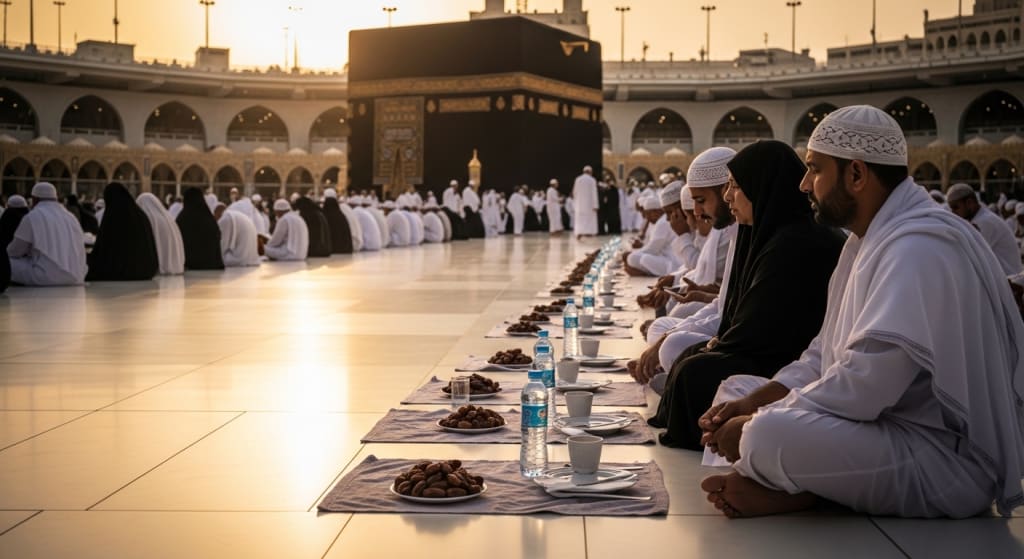
Performing Umrah during Ramadan is a dream of every Muslim. For many Muslims, the idea of standing before the Ka‘bah while fasting, breaking ifṭār in the Haram, and praying late into the night feels like the pinnacle of spiritual experience.
Umrah during Ramadan is often seen as a milestone, a significant reward, and it also carries a unique emotional pull. But Ramadan Umrah should not be considered as a better version of the Umrah pilgrimage.
Performing Umrah in the month of Ramadan is a unique experience, one that requires a shift in priorities, preparation, and expectations. Muslims who approach it with the same mindset as a regular Umrah often find themselves overwhelmed and quietly disappointed.
Understanding this difference is what turns Ramadan Umrah from a struggle into a deeply meaningful journey.
Ramadan Umrah is Less About Ease and More About Endurance
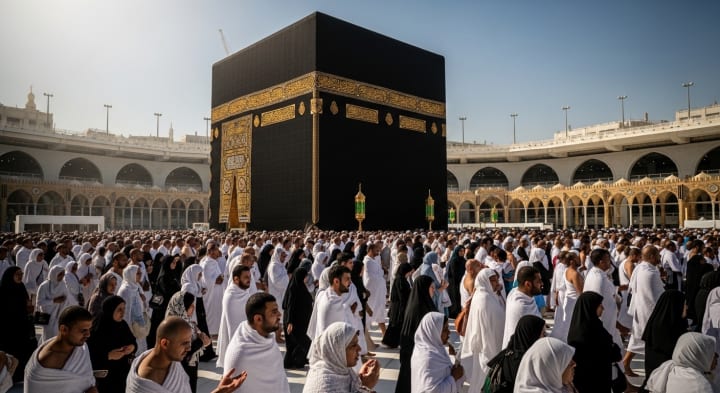
Umrah outside Ramadan often allows space to move, breathe and repeat rituals calmly and comfortably. Ramadan changes this completely; crowds are huge, temperatures are higher, and the physical demands of fasting and rituals can be overwhelming.
This reality requires mental acceptance before arrival.
Pilgrim should be aware that Ramadan Umrah is not designed for comfort and ease; It is designed for patience. When pilgrims arrive expecting ease, frustration follows quickly. When they arrive expecting effort, the struggle itself becomes part of the reward.
This mindset shift, from seeking ease and comfort to embracing endurance, sets the foundation for the pilgrimage.
Worship During Ramadan Umrah is Not About Quantity
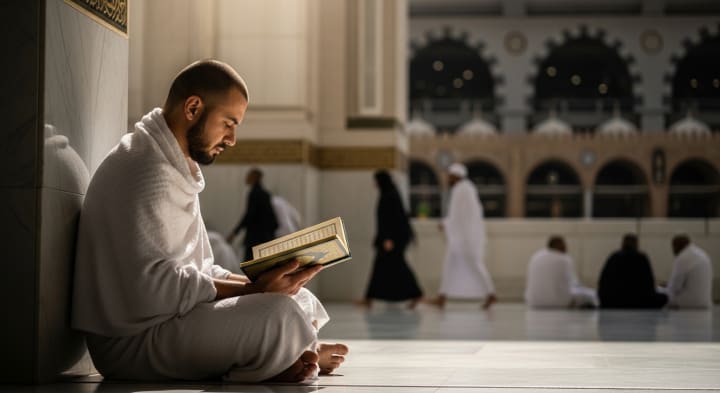
One of the biggest misunderstandings that pilgrims have during Ramadan Umrah is to maximise everything.
- More tawaf.
- More prayers.
- More Qur’an.
- More nights awake.
- More rituals repeated.
While intentions are sincere, pilgrims should remain mindful of their physical limits, especially when fasting in intense crowds. Many pilgrims exhaust themselves early, only to feel physically depleted for the remainder of their stay.
Umrah in Ramadan teaches restraint, encourages quality over quantity, consistency over intensity and presence over performance. A single Tawaf performed with excellence may outweigh multiple rushed ones. A calm du’a offered sincerely may carry more weight than hours of distracted movement.
This shift in mindset protects both spiritual depth and physical well-being while performing Umrah.
Crowds Become a Spiritual Test, Not an Obstacle
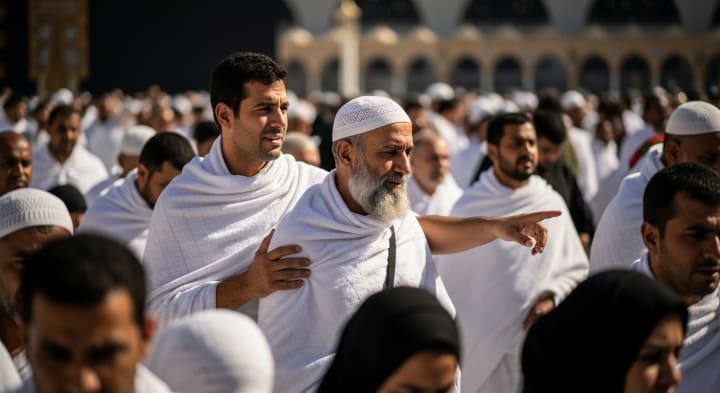
Ramadan is the peak and best time to perform Umrah, but during Ramadan, the Haram is rarely quiet. Personal space and comfort disappear, movement is slow, and delays and waiting become unavoidable. For many pilgrims, this feels like a disruption to spiritual focus.
But Ramadan Umrah reframes this entirely. Crowds become lessons and not obstacles. They test patience, reveal ego, challenge expectations and train humility. Responding to challenges with humility becomes a form of Ibadah. Accepting discomfort becomes a reflection of sincerity.
Ramadan Umrah teaches that spirituality is not found in isolation, but in how one behaves within collective strain.
Iftār and Suḥūr Become Acts of Awareness
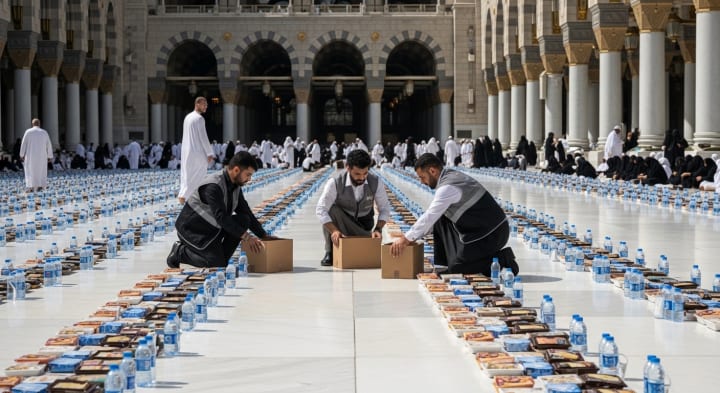
At home, Suhur and Iftar are often abundant and familiar, but in the Masjid al-Haram, it is simpler; dates, water and light meals. Breaking fast in the Haram carries an emotional intensity that shifts focus from food to gratitude. Pilgrims become aware of hunger in a new way, and appreciation deepens.
Suhur also becomes more intentional. Pilgrims wake up early, eat light and prepare for a physically demanding day; these routines reshape how pilgrims understand sustenance. Ramadan Umrah trains moderation, not indulgence. It aligns eating with worship rather than distraction.
Sleep Becomes A Strategic Choice

Ramadan nights in Makkah are unique and alive. Taraweeh prayer stretches late, Masjid al-Haram remains full, and the atmosphere is electrifying. Many pilgrims feel the pressure to stay awake constantly, fearing they will miss out on the salah or suhur.
Umah during Ramadan requires wisdom; rest becomes a form of worship when it preserves strength, sleep becomes a form of preparation, and balance becomes necessary for sustainability. Understanding all these helps pilgrims perform Umrah without being overwhelmed.
Emotional Expectations Must Be Managed
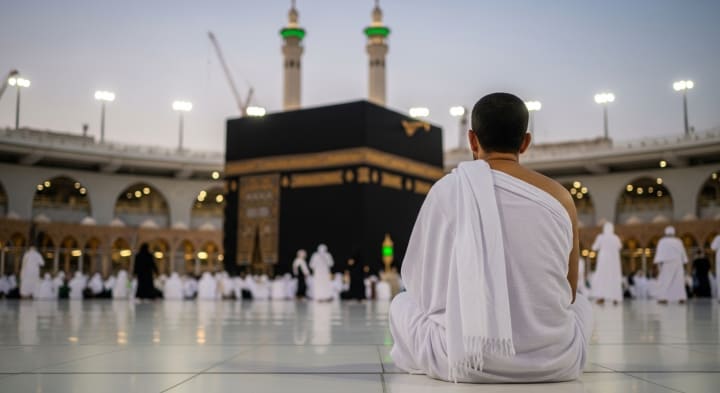
Every year, millions of pilgrims arrive in the Haram with high emotional expectations. They expect perfect moments, unbroken focus, continuous spiritual highs and constant tears.
However, Umrah in Ramadan does not promise emotional consistency. Crowds create stress, heat and fatigue affect emotions, and hunger shortens patience. The mindset required during Ramadan Umrah is acceptance.
Pilgrims should accept that spiritual connection is not always dramatic and that sincerity exists even in quiet perseverance.
Services to Others Become Central
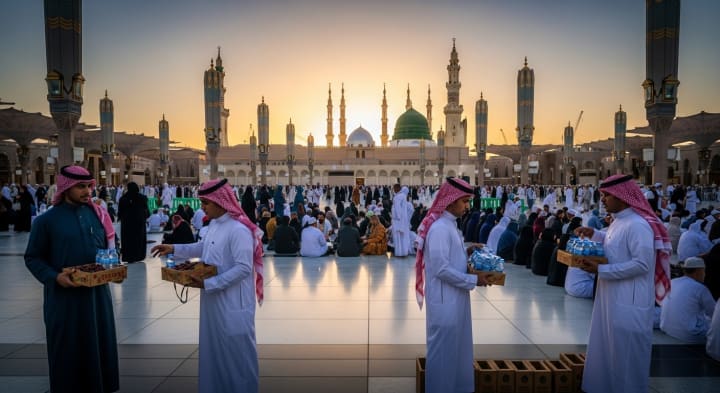
During Ramadan Umrah, you will see every pilgrim participating in acts of service everywhere. Strangers guiding one another, volunteers managing crowds, people sharing food and pilgrims helping the elderly.
The divine environment during Ramadan Umrah subtly shifts focus from self to others. The mindset shifts from “my Umrah” to “our Umrah experience”. From personal achievement to collective responsibility.
Patience with others, kindness in inconvenience, and generosity in limited resources become powerful forms of worship.
You Learn to Let Go of Control
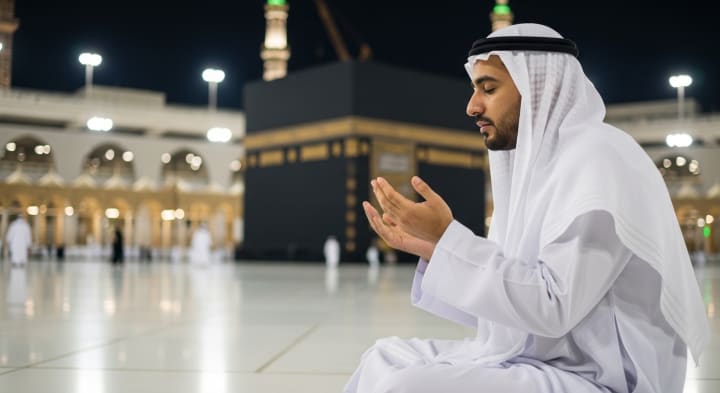
Planning is important for the Umrah pilgrimage, but Ramadan Umrah has its own limits. You cannot predict crowd levels, decide on access points, control prayer spaces and force moments.
Umrah in Ramadan demands surrender, and when pilgrims accept this demand early, frustration softens. Umrah journey becomes about responding, not resisting.
A Different Mindset Creates a Deeper Experience
Umrah in Ramadan is not meant to be easy and for comfort. It is meant to be transformative.
Pilgrims who arrive seeking perfection often struggle, but those who arrive seeking acceptance often find peace. By adjusting expectations, embracing patience, and valuing presence over performance, pilgrims allow Ramadan Umrah to shape them; rather than overwhelm them.
In the end, Ramadan Umrah does not offer a flawless journey. It offers a refining one.
About the Creator
Abdul Rahim Khan
Travel guide expert & writer at Itimaar, helping Muslims explore the world with faith, ease & purpose — from halal trips to Hajj & Umrah guidance.
Keep reading
More stories from Abdul Rahim Khan and writers in Wander and other communities.
How to Stop Chasing “Perfect Moments” in Umrah
Every pilgrim, while performing the sacred journey of Umrah, wishes for all the perfect moments. But in reality, Umrah was never meant to be perfect. It was meant to be sincere. Pilgrims arrive in Haram, carrying many expectations.
By Abdul Rahim Khanabout a month ago in Wander
Seattle Nightlife Report: Pony
Mid-winter Friday night. Early but already so dark. The days are getting longer but 6 PM is still pitch black. “Firepit!” You declare things after just a few seconds of solemn thought – not a request or suggestion, not a demand. Last week you walked around saying, “Hot tub?” to anyone who would listen. Or one afternoon you pointed at two men holding hands as they crossed 12th Avenue, looked me in the eyes and said, “Boyfriends.”
By Joe Nasta | Seattle foodie poet22 days ago in Wander
Devil is a part timer
The premise is that the devil comes to Earth from below and arrives as a teenager working at a fast-food restaurant. “Devil is a Part-Timer” is one of my favorite anime series, and I recently discovered anime, and this is one of those shows that I stumbled upon and got really into.
By Revista Miko:XCI6 days ago in Wander




Comments
There are no comments for this story
Be the first to respond and start the conversation.