
5 Warning Signs Your Car Door or Hatch Struts Need Replacement
Common symptoms that signal it’s time for a strut replacement

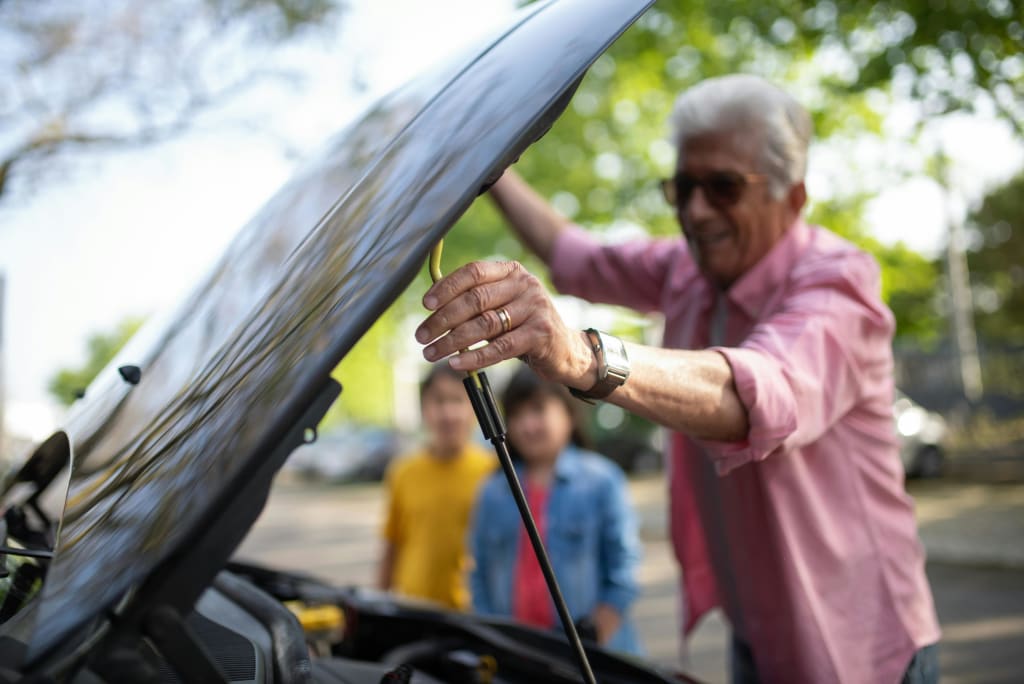
Every day, vehicle hardware carries more responsibility than most drivers realize. Small lift mechanisms endure repeated stress as panels are opened and closed.
Gradual wear often feels harmless at first, leading many people to shrug off slower movement or added effort. That hesitation can turn routine use into frustration or even a safety concern once support weakens.
A basic understanding of how these components fail makes it easier to recognize real problems early. The following issues indicate potential breakdowns within door and hatch struts before complete failure occurs.
Doors or Hatches No Longer Stay Open
Unexpected movement often marks the first real change drivers notice during everyday use. Extra weight and a gradual lifting signal internal support has started to fade, even if the issue feels minor at first.
Loss of pressure inside door struts reduces their ability to counterbalance heavy panels. That leads to gradual sagging instead of a firm hold.
Common malfunctions to monitor:
- A door or hatchback drifts slowly downward after being opened
- Panel closes unless held open by hand
- Openings feel heavier than normal
- Slopes or uneven ground exacerbate the problem
- Problems worsen gradually over weeks or months
Repeated movement indicates internal wear that rarely improves on its own and progresses with time. For larger SUVs and minivans, added weight and leverage reveal this problem sooner.
Delayed or Sporadic Movement at Full Extension
A hatch that hesitates before reaching its fully open position often feels off, even if it still functions. That pause at the top signals uneven resistance within the mechanism rather than normal wear. Loss of gas pressure and weakened internal seals disrupt smooth motion.
Brief stalls or sudden jerks near full extension are problematic. Over time, that inconsistency places uneven strain on mounting points and surrounding hardware. Hatch lift supports rely on balanced pressure to manage weight predictably.
Once that balance slips, the panel may stop short one moment and surge the next. As a result, drivers face an increased risk of unexpected movement. Catching this behavior early helps avoid surprise closures and prevents added stress on hinges and brackets.
Hissing Sounds or Visible Oil on the Strut
Soft noises during normal use often get dismissed as harmless, yet mechanical components rarely speak without reason. Air escaping under pressure creates a subtle hiss that points to internal breakdown rather than surface wear.
Once seals degrade due to age or corrosion, gas and fluids no longer stay contained. Compromised components alter how the strut manages weight and motion.
Common warning clues include:
- A faint hissing sound appears when opening or closing the door or hatch
- Oil or residue becomes visible along the strut body or seal area
- Internal gas pressure escapes as seals wear or fail
- Reduced pressure leads to weaker lift and inconsistent movement
- Continued use accelerates loss of support and overall failure
Performance drops quietly at first, then reliability fades with each use. Therefore, noticing sound or residue early helps prevent sudden drops and mounting damage.
Cold Weather Exposes Strut Failure
Cold mornings often reveal weaknesses that stayed hidden during warmer months. Lower temperatures reduce internal gas pressure, which leaves tired components with less force to manage heavy panels. A hatch that felt steady in summer may hesitate or drop once winter air settles in.
That reaction correlates to age. Not a sudden defect. When temperatures fall, older seals stiffen. Reduced flexibility limits how well pressure stays contained. Therefore, seasonal improvement does not signal recovery. Warmth only masks wear for a short time.
Drivers in colder regions tend to spot this pattern first because daily exposure makes the change obvious. Noticing seasonal behavior shifts helps explain why performance fades and why replacement rarely waits until total failure.
Lower Than Normal Hatch Open Height
Something feels off once cargo access requires a slight duck instead of a simple reach. Daily use builds an expectation of where panels should rest, so subtle changes stand out even before inconvenience sets in. That shift usually relates to weakened support rather than alignment or body issues.
Key signs tend to appear together:
- The hatch no longer opens to its original height
- Clearance feels tighter during loading or unloading
- Head contact or near-misses occur more often
- The reduced height appears gradually, not suddenly
- The change signals a loss of lift force rather than alignment issues
As pressure fades inside gas struts in hatchback setups, the panel stops short of its former position. Therefore, comparing your vehicle to similar models helps confirm functional decline rather than design differences.
What Happens When Worn Struts Go Unrepaired
Consistent annoyances tend to turn into daily workarounds once support weakens. Hands stay busy holding panels, and habits form around avoiding sudden drops.
That unpredictability can distract drivers and increase the chance of bumps or pinched fingers. Situations become very dangerous when children are nearby. The solution? Locate an auto repair shop immediately to ensure safety for all riders.
Final Thoughts
Small changes in lift behavior often appear long before sudden failure. Awareness keeps daily use safe while preventing strain on hinges and mounts. Patterns develop slowly, which gives drivers time to respond without stress.
Thoughtful action protects convenience and hardware. Therefore, the best option is to address wear early. Take action now to prevent unnecessary expenses.
About the Creator
Jamie Rooney
Jamie Rooney is a project manager with a passion for alternative health and sexual wellness. When he's not advocating for inclusive sexual health, he's exploring the world of natural remedies and holistic wellness.
Keep reading
More stories from Jamie Rooney and writers in Wheel and other communities.
Gold Coins vs. Gold Bars: Which Is the Better Investment for You?
Gold is a dependable investment vehicle because it maintains its value amid inflation, currency fluctuations, and economic uncertainties. The most popular way to invest in this precious metal is by buying gold coins or bars.
By Jamie Rooney2 months ago in Trader
How Wheel Size Affects Car Handling, Fuel Efficiency, and Comfort
When choosing or evaluating a vehicle, wheels may seem like a cosmetic detail — but in reality, wheel size profoundly affects how a car drives, uses fuel, and delivers comfort. From compact hatchbacks to performance SUVs and electric vehicles (EVs), manufacturers and drivers alike must balance the pros and cons of small versus large wheels. Understanding these trade-offs helps buyers make smarter decisions and engineers optimize vehicle design.
By Stories Today3 days ago in Wheel
5 Aftermarket Parts that Most Commonly Cause Fitment Issues in Japanese Cars
Aftermarket parts are a major reason drivers choose Japanese cars. The Japanese Domestic Market (JDM) gives car owners many ways to customize their vehicles, whether it’s to boost performance or enhance visual appeal. Brands like Subaru, Honda, Nissan, Toyota, and Mitsubishi benefit from extensive aftermarket support, providing a range of modification options.
By William Powell2 days ago in Wheel
~ Fired ~
— Ai Intrusion ~ Are you Next ~ Is Ai Evolution after your job? — Few workplaces haven't been affected. Ai is in supermarkets, at doctors' offices, and even monitoring farms. I just can't think of anything this machine is not getting into, can you? For instance: Education ~ Law and Tech jobs will one day have a major influence or be taken over by these inanimate machines, with accuracy and vigor. From mechanics' diagnoses to a wide variety of everyday jobs, including fast food workers, with this input having the ability to cut their unnecessary work hours. I'm certain all of us have been touched by this with our short stories and colorful headings, have you? Even comments are very questionable 'Non-Robot' insertions.
By Jay Kantor6 days ago in Journal



Comments
There are no comments for this story
Be the first to respond and start the conversation.