
Australia Lubrication Systems Market: Industrial Efficiency, Equipment Protection & Automation Growth
How manufacturing activity, mining operations and automated machinery are driving demand for lubrication systems in Australia

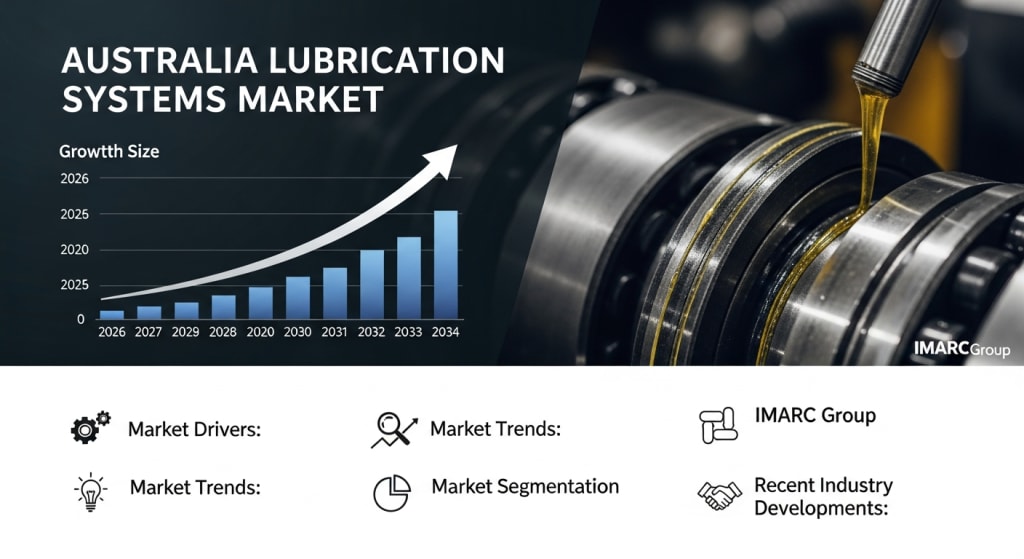
in 2025, Australia lubrication systems market reached USD 92.1 Million. Looking ahead, by 2033, the market is expected to grow steadily to USD 122.1 Million, exhibiting a compound annual growth rate (CAGR) of 3.18% during 2026–2034.
This measured growth reflects the essential role lubrication systems play in maintaining the reliability, efficiency and safety of industrial equipment across Australia. While lubrication systems may operate behind the scenes, they are critical to reducing friction, preventing equipment failure and extending the lifespan of machinery used in manufacturing, mining, energy, construction and transportation sectors. As industries continue to modernize and automate, the importance of effective lubrication solutions remains firmly established.
Australia’s lubrication systems market includes centralized and automatic lubrication systems designed to deliver precise amounts of lubricant to machinery components. These systems support consistent performance, minimize manual maintenance requirements and help organizations manage operating costs more effectively over the long term.
Key Player:
Australia’s lubrication systems market includes global industrial equipment suppliers, specialized lubrication system manufacturers and local service providers. Key players focus on system reliability, ease of integration, service support and long-term performance. Competition is driven by the ability to deliver customized solutions tailored to specific industries such as mining, manufacturing and energy. Many suppliers emphasize after-sales services, system monitoring and maintenance support to build long-term customer relationships and recurring revenue streams.
Why Should You Know About the Australia Lubrication Systems Market?
Because lubrication systems are foundational to how Australia’s industrial economy operates. While the market may not experience rapid expansion, its importance lies in reliability and necessity rather than high-growth disruption. With the market projected to grow from USD 92.1 Million in 2025 to USD 122.1 Million by 2034, lubrication systems represent a stable and indispensable segment of industrial infrastructure.
For industrial operators, effective lubrication systems reduce maintenance costs, extend equipment life and support safe, efficient operations. For suppliers and service providers, the market offers consistent demand driven by replacement cycles, system upgrades and long-term maintenance needs. For policymakers and infrastructure planners, reliable industrial systems contribute to economic productivity, workplace safety and operational resilience.
From an industry perspective, the projected 3.18% CAGR reflects the steady nature of demand in a mature but essential market. As Australia continues to invest in industrial automation, mining operations and infrastructure maintenance, lubrication systems will remain a quiet but critical enabler of performance and longevity.
Recent News & Developments in the Australia Lubrication Systems Market
February 2025:
Industrial equipment suppliers in Australia expanded service offerings related to automated lubrication system maintenance and upgrades. Industry feedback indicated that operators were increasingly seeking service-based solutions to improve system performance and reduce in-house maintenance workloads.
June 2025:
Mining and heavy equipment operators reported increased adoption of centralized lubrication systems to support large-scale machinery operating in remote environments. These systems helped reduce manual intervention and improved equipment reliability under harsh operating conditions.
October 2025:
Manufacturing facilities investing in automation upgrades integrated modern lubrication systems as part of broader equipment modernization programs. Early results showed improved machine uptime and reduced lubricant consumption, reinforcing the value of precision lubrication solutions.
Why is the Australia Lubrication Systems Market Growing?
Ongoing Industrial Activity Across Key Sectors
Australia’s industrial landscape continues to support steady demand for lubrication systems. Manufacturing plants, mining operations, power generation facilities and construction sites all rely on heavy machinery and rotating equipment that require continuous lubrication. As long as these sectors remain operational and capital-intensive, lubrication systems will remain a fundamental requirement for daily operations, sustaining long-term market demand.
Focus on Equipment Reliability and Reduced Downtime
Unplanned equipment downtime can be costly and disruptive for industrial operators. Lubrication systems play a vital role in preventing wear, overheating and mechanical failure by ensuring that moving parts receive consistent and appropriate lubrication. Automated lubrication systems, in particular, help reduce maintenance-related stoppages and improve asset availability, making them increasingly attractive to operators seeking to optimize productivity.
Gradual Adoption of Automation and Smart Maintenance
As Australian industries adopt higher levels of automation, the need for reliable and precise lubrication becomes more pronounced. Automated machinery and high-speed equipment require consistent lubrication to function efficiently. Lubrication systems integrated with sensors and monitoring tools support predictive maintenance strategies, allowing operators to address issues before failures occur. This shift toward smarter maintenance practices supports incremental market growth.
Emphasis on Workplace Safety and Machine Health
Proper lubrication directly contributes to safer working environments by reducing the risk of mechanical breakdowns that can lead to accidents or hazardous conditions. By maintaining machine health and stability, lubrication systems support compliance with workplace safety standards and help organizations protect both equipment and personnel. This safety-driven approach reinforces the ongoing relevance of lubrication systems across industrial settings.
Lifecycle Cost Management and Sustainability
Industrial operators are increasingly focused on managing total lifecycle costs rather than short-term expenses. Lubrication systems help extend the useful life of equipment, reduce lubricant waste and improve energy efficiency by minimizing friction. These benefits align with broader sustainability goals and cost-control strategies, encouraging continued investment in efficient lubrication solutions even in mature industrial markets.
About the Creator
Kevin Cooper
Hi, I'm Kavin Cooper — a tech enthusiast who loves exploring the latest innovations, gadgets, and trends. Passionate about technology and always curious to learn and share insights with the world!
Keep reading
More stories from Kevin Cooper and writers in Wheel and other communities.
Australia E-Bike Market: Urban Mobility, Sustainability Trends & the Rise of Electric Transportation
According to IMARC Group, the Australia e-bike market reached USD 739.2 Million in 2024. Looking ahead, the market is projected to reach USD 1,336.3 Million by 2033, expanding at a steady CAGR of 6.10% during 2025–2033.
By Kevin Cooper2 months ago in Wheel
How Long Electric Car Batteries Last in Everyday Use
Electric vehicles continue to gain attention worldwide, but battery lifespan remains one of the most common concerns for people considering an EV. Unlike petrol or diesel cars, electric vehicles rely entirely on stored electrical energy, making the battery the most critical and expensive component. Understanding how long these batteries last helps buyers evaluate long-term costs, ownership expectations, and whether an electric vehicle fits their lifestyle.
By Austin Peck6 days ago in Wheel
Why I Trust Genuine Used BMW Parts
I didn’t start out trusting used BMW parts. Actually, I avoided them. For a long time, I believed what most people believe: new is safe, used is a risk, and genuine only matters if it comes in a sealed box with a BMW logo on it.
By MT Auto Parts – BMW Specialists from the UK4 days ago in Wheel



Comments
There are no comments for this story
Be the first to respond and start the conversation.