
Cars and cities
Is it sensible to make it too expensive to use a car in a city?

Cars and cities
Is it sensible to make it too expensive to use a car in a city?
Attempts to curb private cars attacks freedom
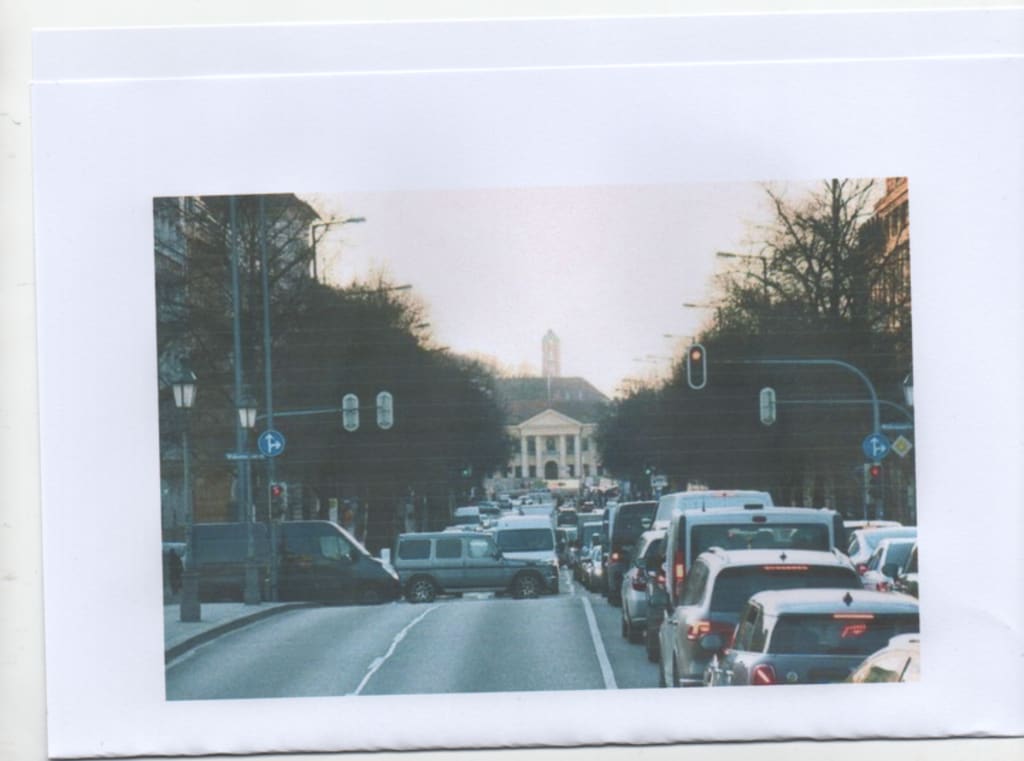
Most modern cities are attempting to curb or even ban private vehicles from their roads. They claim it is for the public good, reducing pollution, making roads safer etc. But are these the real reasons? Many drivers think that all these curbs and restrictions are done just to raise money-through taxes and fines. Only a relatively small proportion of people, even in cities, use pedal cycles as a main means of transport. The difficulty of carrying shopping, children etc mean that even those who are recreational cyclists, do not use their cycles for all journeys. Yet many city authorities spend huge amounts of other people’s money to give priority to cycles.
Much effort is devoted to coercing people into the use of electric powered cars but if they succeed and all motorised vehicles are electric battery powered they will still have congestion, they will still have accidental injuries, there will be claims of improved pollution and lessening of ill health but getting verifiable data regarding before and after, in exactly same location and with exactly the same ambient conditions; to give evidence to these claims, is near impossible.
Personally, as a person who trained and studied electro-mechanical engineering on electrical traction motors in the late 1950’s and 1960’s I have the greatest admiration for Mr Musk as an engineer but his abilities in “hidden” marketing are even greater than his undoubted skill as an engineer, but I will stick with a petrol engine until hydrogen power becomes common. ( admittedly I will probably be dead before this happens)
There is a very old saying that no one misses the water till the well runs dry. This also applies to personal freedom, the freedom to go where you want when you want.
Many people who live in cities have conceptions of how things should be. But these conceptions are based only on the present reality of city life. Despite the vast numbers who choose to live in overcrowded urban nightmares; most people do not live in such places, and all the city formed concepts of how to improve life, are unacceptable to those who do not live in cities.
In my previous essay published on Vocal—the future of mass transit systems- the changing nature of work was explored. The effect these future changes will have on commuting and working travel were examined. One small section suggested -- The commuter will be a thing of the past. The need to move thousands of people from A to B at a given time, and back again at a later given time, will no longer exist.
Journeys will be for pleasure rather than work, and so the time spread of need will be greater. So, in a hundred years from now, we probably will not need a mass transit system anyway.
So, to deny the individual the right to own and use, their own mechanised personal transport is a savage attack on the freedom of future generations to have positive experiences. Negativity has become prominent in every aspect of social cohesion, cancelling, no platforming, taking offence, demands this be stopped, that be curtailed; these are all negative actions , negative attitudes.
To rural communities the truck or car is essential to both work and social activities. They need a vehicle to go shopping let alone visit a library. The city-based idea that everyone should be stopped from having their own car is to isolate, impoverish and totally destroy rural ways of life. Semi-rural communities will be turned into ghettos, Towns and areas who rely on tourism for their economic existence, will become ghost places, devoid of life and love.
Why does personal freedom get so savagely attacked? A small but influential section of the population seem determined to subject everyone else to a greatly reduced freedom of choice, in just about anything. All the most tyrannical dictators in history had at some point claimed they were acting for the good of the masses, to save the people. Now this small ego driven and obviously arrogant, section of the population seeks to force everyone to a narrow view of what is “acceptable”, it may be a specialised diet, to sit in regulated homes, only hear “acceptable” views, only move from home in controlled manor. This is the ultimate “Orwellian” nightmare.
Another old saying is that the road to hell is paved with good intentions. It is certain that many advocates of banning private car ownership, mean well but these policies do not consider the effect on rural populations, they do not take full account of future technological developments, and they do not consider that some people need freedom of travel as a support to their individual self-esteem.
Public transport does not exist in remote areas and even in semi-rural communities it is unsuited to the frail, the very elderly and those with disabilities. One size does not fit all. The effect of banning private cars from cities- or at least “pricing them out” as is being done in London; just increases the cost of everything that moves, which is everything. So, living in cities becomes even more segregated to the rich who can afford it and the poor trapped in conditions they have no escape from. Be very careful what you wish for.
About the Creator
Peter Rose
Collections of "my" vocal essays with additions, are available as printed books ASIN 197680615 and 1980878536 also some fictional works and some e books available at Amazon;-
amazon.com/author/healthandfunpeterrose
.
Keep reading
More stories from Peter Rose and writers in Wheel and other communities.
The positive side of car ownership
The vast positive to car ownership Attempts to curb private cars attacks freedom There is a very old saying that no one misses the water till the well runs dry. This also applies to personal freedom, the freedom to go where you want when you want.
By Peter Rose4 years ago in Wheel
How Long Electric Car Batteries Last in Everyday Use
Electric vehicles continue to gain attention worldwide, but battery lifespan remains one of the most common concerns for people considering an EV. Unlike petrol or diesel cars, electric vehicles rely entirely on stored electrical energy, making the battery the most critical and expensive component. Understanding how long these batteries last helps buyers evaluate long-term costs, ownership expectations, and whether an electric vehicle fits their lifestyle.
By Austin Peck6 days ago in Wheel
Why I Trust Genuine Used BMW Parts
I didn’t start out trusting used BMW parts. Actually, I avoided them. For a long time, I believed what most people believe: new is safe, used is a risk, and genuine only matters if it comes in a sealed box with a BMW logo on it.
By MT Auto Parts – BMW Specialists from the UK4 days ago in Wheel




Comments
There are no comments for this story
Be the first to respond and start the conversation.