

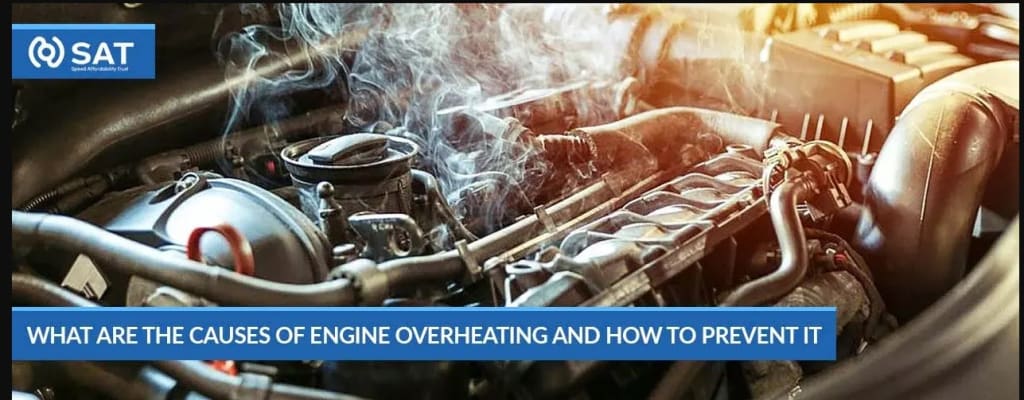
If there's one issue that no car owner wants to face, it’s engine overheating. Unfortunately, this problem can strike at the most inconvenient times, causing frustration and even serious damage to your vehicle. At SAT JAPAN, we deal with the world’s finest export-quality Japanese cars, and offering valuable knowledge about your car’s health is a priority. Whether you're an enthusiast or a prospective buyer, understanding the causes of engine overheating, even when the coolant is full, can save you time, money, and unnecessary hassle.
What Causes Engine Overheating?
Engine overheating happens when the temperature of your car's engine spikes beyond the optimal range. Normally, your vehicle’s cooling system stabilizes engine temperatures, keeping things running smoothly. But when things go wrong, the heat builds up fast.
Here are the most common culprits behind engine overheating:
1. Low Coolant Levels
Even slight decreases in coolant levels can cause your engine temperature to soar. Coolant circulates through the engine to absorb and carry away heat, making it vital for temperature regulation. If the levels drop too low due to leaks or evaporation, the system can’t do its job effectively.
Example scenario: Many customers who approach SAT JAPAN to order their dream Japanese cars often inquire about maintenance. A key tip we share is regularly checking coolant levels in the reservoir.
2. Thermostat Malfunction
The thermostat regulates coolant flow in the engine. A faulty thermostat may stay closed, restricting coolant circulation. Without proper coolant movement, the engine heats up rapidly, often resulting in overheating.
3. Blocked Radiator
Your radiator is responsible for cooling the engine coolant before it’s sent back into the system. Blockages caused by debris, grime, or rust can prevent this cooling process, leading to heat buildup. Cleaning the radiator from time to time can save you from potential overheating on long drives.
4. Malfunctioning Water Pump
The water pump pushes coolant through the engine and radiator. If it fails due to wear, leaks, or a broken impeller, the entire cooling system becomes ineffective, causing engine temperatures to spike.
5. Damaged Belts or Hoses
The belts and hoses in your vehicle's cooling system connect vital components. Over time, these parts may develop cracks, loosen, or wear out, disrupting coolant flow and leading to overheating.
Why Is My Engine Overheating But the Coolant Is Full?
Car owners often experience a puzzling situation where their engine is overheating but the coolant is full. This scenario indicates that the underlying problem may not be related to coolant levels but rather to other components of the car. Below are some reasons your engine might overheat even when the coolant is at an adequate level.
1. Clogged Cooling System
Even if the coolant reservoir looks full, contaminant buildup can block fluid flow in the system. For instance, sediment or chemical deposits may restrict movement within hoses or radiators, causing inefficient cooling.
2. Air Pockets in the Cooling System
Air bubbles trapped in the cooling system can disrupt coolant circulation and lead to inconsistencies where heat isn’t effectively managed. This can happen after servicing or replacing parts of the cooling system without "bleeding" the air out.
An expert tip: When purchasing a reliable Japanese car from SAT JAPAN, ask about prior service records. This ensures you’re aware of maintenance procedures, such as cooling system flushes.
3. Faulty Radiator Fan
The radiator fan draws air over the coolant to cool it down. If the fan motor isn’t working, or if the fan blades are damaged, the car may overheat, particularly when idling or moving slowly in traffic.
4. Blown Head Gasket
A blown head gasket can allow coolant to mix with engine oil or hot gases, greatly reducing its ability to manage heat. This issue also often results in white exhaust smoke, a telltale sign to watch out for.
5. Worn Out Engine Components
Older cars are more likely to experience wear and tear on engine parts, leading to thermal inefficiency. Even premium-grade Japanese vehicles need occasional maintenance, especially if used over extended periods.
How to Fix and Prevent Engine Overheating
If you encounter engine overheating, your first step should be to pull over safely and allow the car to cool. Attempting to open the hood immediately can result in burns from steam or hot components. After cooling down, evaluate the following steps:
1. Inspect Coolant Levels
Even if the reservoir looks full, check for air bubbles that might be disrupting circulation. Replenish coolant as needed and bleed the system if necessary.
2. Check for Leaks
Inspect under the car for any puddles. Leaks can occur in hoses, the radiator, or even from the water pump.
3. Assess Visual Components
Examine the radiator for clogs, fan belts for damage, and hoses for cracks. If any part looks worn, replace it promptly.
4. Consult a Professional Mechanic
For serious issues like head gasket failure or water pump malfunctions, it’s best to consult an experienced mechanic or technician.
Pro tip: If you’ve recently purchased a Japanese car through SAT JAPAN, you can also inquire about trusted servicing workshops in your region. Reliable support can ensure your investment stays in peak working condition.
Engine Overheating Prevention Tips
Prevention is always better than repair. Here are simple steps to keep engine overheating at bay:
Perform Regular Maintenance: Stay consistent with oil changes, coolant refills, and periodic engine inspections.
Flush the Cooling System: A complete flush once every 2-3 years will help eliminate buildup and contaminants from the system.
Monitor Dashboard Warnings: Pay attention to temperature gauge and warning lights to spot issues before they escalate.
Replace Worn Components: Be proactive; replace belts, fans, and thermostats that seem worn or unreliable.
SAT JAPAN always recommends potential buyers of Japanese cars to adopt preventative habits. Routine care not only extends your car’s life but also ensures a stress-free driving experience anywhere in the world.
Why Choose SAT JAPAN?
When it comes to exporting premium Japanese vehicles worldwide, SAT JAPAN takes pride in delivering cars that perform exceptionally well. Every vehicle we source undergoes rigorous quality checks, and we prioritize proper maintenance history to provide you with reliable and durable options. Whether you're a first-time buyer or adding to your collection, we equip you with more than just a car—we bring expertise in all things auto.
Take the Next Step With SAT JAPAN
If you're looking for reliable, high-performing Japanese cars, SAT JAPAN is here to assist. Explore our vast inventory, and let's put you behind the wheel of your dream vehicle.
Final Thoughts
Understanding the causes of engine overheating and addressing related issues like engine overheating when the coolant is full are essential for any car owner. By following the tips and recommendations outlined above, you’ll ensure a safer and smoother driving experience. For dependable export-quality Japanese vehicles and unmatched expertise, SAT JAPAN is your trusted partner in every drive. Discover more by reaching out today!
About the Creator
SAT Japan
We are one of the leading Japanese used car exporting platforms, situated in Iwaki, Fukushima, Japan. Our goal is to make the buying of cars smooth and easy for customers worldwide through our services.
Car Wrap or Ceramic Coating? The Choice I Didn’t Expect to Overthink
I never thought I’d spend so much time thinking about how to protect my car. At the beginning, it felt like one of those decisions you make quickly and move on from. I assumed there would be a clear answer, something obviously better, something everyone eventually agrees on. But the more I looked into car wrap and ceramic coating, the more I realised how personal this decision actually is.
By James William4 days ago in Wheel
What Are the Best BYD Shark 6 Accessories for Touring, Work & Off-Road?
The BYD Shark 6 has quickly earned a reputation as a capable, tech-forward ute built for modern Australian drivers. But while the factory setup is impressive, its true potential is unlocked with the right byd shark 6 accessories. Whether the vehicle is used for long-distance touring, demanding job sites, or weekend off-road escapes, the right upgrades can dramatically improve performance, safety, and usability.
By Maka Offroad5 days ago in Wheel



Comments
There are no comments for this story
Be the first to respond and start the conversation.