
United States Electric Car Market Size to Reach USD 262.9 Billion by 2034 | Exhibiting CAGR of 11.02%
The United States electric car market has experienced rapid transformation over the past decade, driven by technological advancements, government incentives, environmental awareness, and evolving consumer preferences. Electric vehicles (EVs), once considered niche products, are now becoming mainstream transportation options across multiple vehicle categories.
Industry Overview
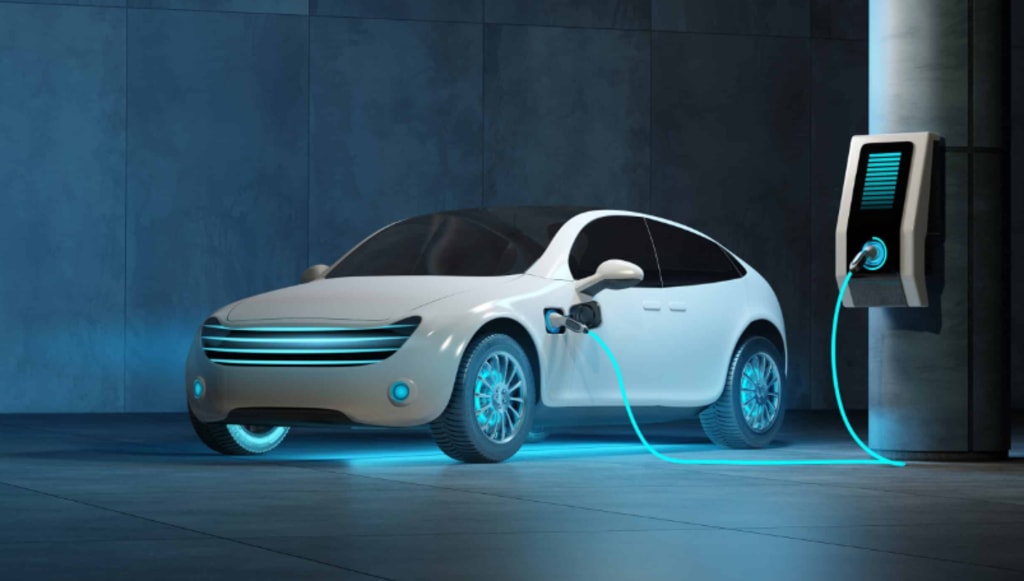
Electric cars, commonly referred to as battery electric vehicles (BEVs) and plug-in hybrid electric vehicles (PHEVs), operate either partially or entirely on electric power. Unlike traditional internal combustion engine vehicles, electric cars reduce tailpipe emissions and lower fuel dependency.
The United States represents one of the largest EV markets globally. Increasing environmental regulations, corporate fleet electrification, and consumer interest in fuel savings have significantly strengthened demand.
Download PDF Brochure of United States Electric Car Market
Key factors shaping the market include:
- Federal tax credits and state-level EV incentives
- Rising gasoline prices influencing consumer decisions
- Strong investments in domestic battery production
- Growing model availability across price segments
- Corporate sustainability commitments
Major automotive manufacturers are expanding their electric portfolios, introducing SUVs, trucks, and luxury EV models to meet broader market demand.
Market Analysis
The United States electric car market is transitioning from early adoption to early majority adoption phase. Infrastructure investment and government policy remain crucial for sustaining growth.
However, challenges still exist:
- Charging infrastructure gaps in rural regions
- Battery raw material supply constraints
- Higher upfront purchase costs compared to gasoline vehicles
- Consumer education regarding long-term cost savings
Despite these challenges, innovation, competition, and regulatory pressure are expected to strengthen long-term market potential.
Industry analysts anticipate that electric vehicles will capture a significantly larger share of total vehicle sales by 2030 as technology matures and economies of scale improve.
United States Electric Car Market Trends:
Increasing Adoption of Electric SUVs
The U.S. electric vehicle market growth is heavily impacted by notable surge in need for electric SUVs, propelled by customer demands for versatile, spacious vehicles. Automotive firms are responding by offering a wide range of electric SUV models, providing competitive costs, proliferated range, and innovative features. This trend caters to the magnifying popularity of SUVs in the expanded automotive industry and highlights their appeal to outdoor enthusiast as well as families.
Expansion of Charging Infrastructure
The rapid expansion of charging infrastructure is a significant trend driving the U.S. EV market value, addressing range anxiety and enhancing convenience for EV users. Public and private sector investments are driving the installation of fast-charging stations across urban and rural areas, enabling long-distance travel and improving accessibility. For instance, BP, a major oil and gas company, is planning to invest around USD 1 billion in EV fast-charging points across the U.S. by 2030.
Advancements in Battery Technology
Rapid innovations in battery technology are notably reshaping the electric vehicle market in the United States by significantly escalating vehicle range, improving performance, and lowering costs. The development of upgraded lithium-ion chemistries and enhanced solid-state batteries offer prospects for quicker charging times, better energy density, and prolonged operational lifespans. Such advancements are establishing EVs as more competitive with conventional internal combustion vehicles, incentivizing purchases across diverse customer sections. Additionally, efforts to localize battery production and secure raw materials domestically are addressing supply chain challenges, ensuring long-term growth.
United States Electric Car Industry Segmentation:
IMARC Group provides an analysis of the key trends in each segment of the United States electric car market, along with forecasts at the country and regional levels from 2026-2034. The market has been categorized based on type, vehicle class, and vehicle drive type.
Analysis by Type:
- Battery Electric Vehicle
- Plug-In Hybrid Electric Vehicle
- Fuel Cell Electric Vehicle
Analysis by Vehicle Class:
- Mid-Priced
- Luxury
Analysis by Vehicle Drive Type:
- Front Wheel Drive
- Rear Wheel Drive
- All-Wheel Drive
Competitive Landscape
The competitive landscape includes traditional automakers, emerging EV-focused companies, and technology-driven automotive brands. Companies are investing heavily in research, battery production, and digital integration to secure market share.
Strategic partnerships between automakers and battery manufacturers are becoming common to ensure supply stability.
Latest News and Developments:
In January 2025, Hyundai Motor America announced the availability of its electric cars on Amazon Autos, the largest U.S-based e-commerce company, making it the only car brand to offer direct vehicle procurements to its U.S. customers through this platform.
In December 2024, General Motors, a U.S-based electric car developer, and ChargePoint revealed plans to boost EV infrastructure expansion across U.S. by collaboratively installing ultra-fast charging ports at strategic regions.
In November 2024, Volkswagen announced significant investment of USD 5.8 billion under the joint venture initiative with Rivian, a U.S.-based electric cars startup. This collaboration with the companies in expanding and advancing their EVs business.
About the Creator
Keep reading
More stories from Ashutosh Srivastava and writers in Wheel and other communities.
Mexico Gearbox Market growing at a compound annual growth rate of 4.52%
Market Dynamics 1. Market Drivers • Automotive Manufacturing Expansion Mexico is among the top global vehicle exporters. Increased production of passenger vehicles, commercial vehicles, and electric vehicles significantly drives gearbox demand.
By Ashutosh Srivastava5 days ago in Chapters
What Is the Kalutara Hollow Stupa and Why Should You Visit?
At first glance, the stupa rising beside the Kalu Ganga in southern Sri Lanka looks like many others across the island—white, serene, and unmistakably sacred. But the moment you step closer, you realise this is something entirely different. The Kalutara Bodhiya is home to one of the very few hollow stupas in the world, a structure that invites devotees and visitors not just to circumambulate it, but to enter it. This single architectural distinction transforms the site from a visual monument into an immersive spiritual experience.
By Aurora Gianna6 days ago in Wheel
There's A Hole in My Bucket
It’s a well-known fact that Liza Dufresne was always the brains in the family. She was the one who always came up with the brilliant schemes the Dufresne kids carried out when they were younger. Like when they tricked Mrs. Claybourn into paying for a trip to Disney World. Liza convinced her that their parents had been kidnapped and were being held for ransom for the total price of three tickets. In reality, they were away on a weekend getaway for their anniversary. When they returned, Liza told the Claybourns that they did not like to talk about the ordeal. Their parents never found out how they got the money. Mrs. Claybourn never found out that the Dufresne parents were never really in any danger.
By David E. Perry4 days ago in Fiction



Comments
There are no comments for this story
Be the first to respond and start the conversation.