
A complete guide to Kratom Tea
Let's Explore

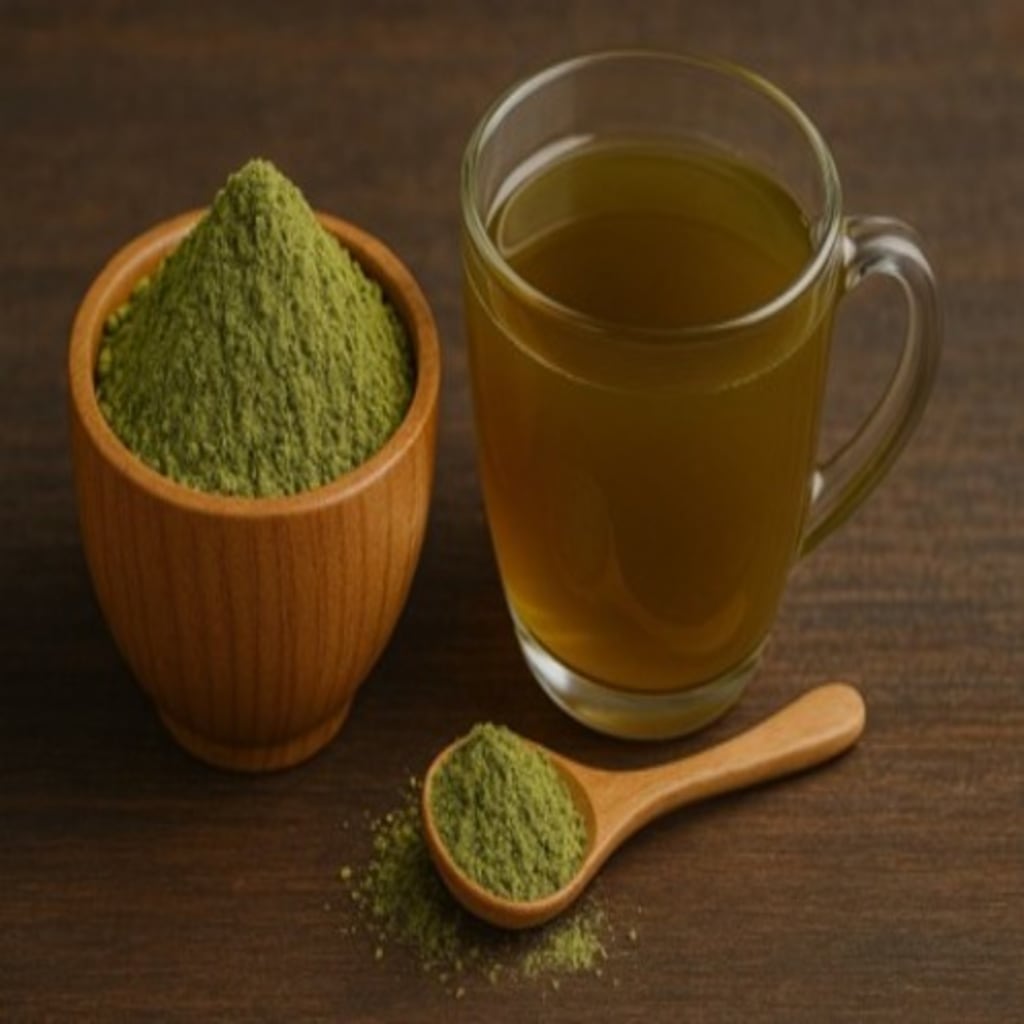
Kratom tea offers a traditional and effective way to enjoy the benefits of kratom. This guide focuses specifically on how to prepare the perfect cup of kratom tea, why many enthusiasts prefer this method, and how to maximize its effects.
What is Kratom Tea?
Kratom tea is a beverage made by steeping kratom leaves or powder in hot water. While kratom can be consumed in various forms (capsules, powder, extracts), many users prefer brewing it as tea for its more gradual effects and the ability to mask kratom's naturally bitter taste.
How Kratom Tea Differs from Other Formats
• Easier on the stomach than consuming raw powder
• More customizable taste with additions like honey, lemon, or ginger
• Smoother, more gradual onset of effects compared to other methods
• Traditional consumption method used for centuries in Southeast Asia
Why Make Kratom Tea?
Many kratom enthusiasts choose tea preparation over other methods for several compelling reasons:
1. Improved taste experience: The brewing process allows you to add flavors that make kratom more palatable
2. Gentler digestion: Many users report less stomach discomfort compared to consuming the raw powder
3. Ritual and enjoyment: The process of preparing tea can be relaxing and mindful
4. More even alkaloid extraction: Proper brewing helps ensure consistent effects
5. Temperature-appropriate consumption: Hot tea in winter, iced tea in summer
How to Make Kratom Tea
Before diving into specific recipes, it's important to understand that kratom tea can be prepared using two primary methods: hot brew and cold brew. Each method offers different advantages:
Hot Brew Method:
• Traditional approach used for centuries
• Faster preparation time (ready in 20-30 minutes)
• More complete alkaloid extraction when done properly
• Can be served hot or allowed to cool
Cold Brew Method:
• Modern alternative growing in popularity
• Requires longer preparation (8-12 hours, usually overnight)
• Generally produces a smoother, less bitter flavor
• Always served cold or over ice
Both methods can be effective for preparing kratom tea, and many enthusiasts use both depending on their needs and preferences.
Basic Kratom Tea Recipe (Hot Brew)
Here's a straightforward recipe to create a quality cup of kratom tea using the hot brew method:
Ingredients:
• 1-5 grams of kratom powder or crushed leaf (adjust based on your experience)
• 2 cups of water
• 1 tablespoon of lemon juice or apple cider vinegar
• Honey, sugar, or stevia (optional)
• Additional flavorings like ginger, cinnamon, or mint (optional)
Equipment:
• Saucepan or small pot
• Fine mesh strainer or coffee filter
• Stirring utensil
• Mug or container for finished tea
Instructions:
1. Measure your desired amount of kratom based on your experience level
2. Bring water to a gentle simmer (not a rolling boil)
3. Add kratom powder and lemon juice to the water
4. Maintain a gentle simmer for 15-20 minutes, stirring occasionally
5. Remove from heat and let stand for 2-3 minutes
6. Strain through a fine mesh strainer or coffee filter
7. Add sweeteners and flavorings to taste
8. Enjoy while warm or chill for iced kratom tea
Cold Brew Kratom Tea
For those who prefer a smoother, less bitter kratom tea experience, cold brewing is an excellent alternative:
Ingredients:
• 1-5 grams of kratom powder or crushed leaf
• 2 cups of cold water
• 1-2 tablespoons of lemon juice
• Honey or other sweeteners (optional)
• Ice cubes for serving
Instructions:
1. Combine kratom powder, cold water, and lemon juice in a glass jar or container
2. Stir thoroughly until well mixed
3. Cover and refrigerate for 8-12 hours (overnight works perfectly)
4. Strain through a coffee filter or fine mesh strainer
5. Add sweeteners if desired
6. Serve over ice
Cold brew kratom tea generally has a milder flavor profile and can be especially refreshing during warmer weather.
Tips to Reduce Bitterness
Kratom's natural bitterness can be off-putting to many users. Here are effective ways to make your kratom tea more palatable:
1. Add citrus: Lemon, lime, or orange juice cuts bitterness and enhances alkaloid extraction
2. Use sweeteners: Honey works particularly well with kratom's flavor profile
3. Add complementary flavors: Ginger, cinnamon, star anise, or cardamom
4. Brew with regular tea: Mix with chai, green, or black tea
5. Try the "tea bag method": Place kratom in a coffee filter or tea infuser to avoid powder in your cup
6. Add a pinch of salt: A small amount can counteract bitterness without making the tea taste salty
Dosage Recommendations
Finding the right kratom tea dosage is important for a positive experience. Since brewing as tea can affect potency compared to direct consumption methods, consider these guidelines:
For Beginners:
• Threshold dose: 1-2 grams
• Mild effects: 2-3 grams
For Experienced Users:
• Moderate effects: 3-4 grams
• Strong effects: 4-6 grams
Always start with a lower dose and adjust based on your personal response, particularly when trying a new strain or vendor.
Kratom Tea vs. Powder: Key Differences

Many users debate whether tea or powder is superior. Here's how they compare:
Factor Kratom Tea Kratom Powder
Onset time 15-45 minutes 10-20 minutes
Taste Can be improved with additives Usually bitter, direct
Stomach comfort Generally gentler May cause more discomfort
Convenience Requires preparation time Quick to consume
Duration of effects Slightly longer, smoother curve Sometimes more intense but shorter
Alkaloid extraction May vary with brewing method Complete consumption of alkaloids
Effects and Duration of Kratom Tea
The effects of kratom tea differ slightly from other consumption methods. When consumed as tea, kratom typically begins working within 15-45 minutes, which is somewhat slower than the "toss and wash" method. The effects usually peak around 1-2 hours after drinking and generally last for 3-5 hours, gradually tapering off rather than ending abruptly. Many users report that kratom tea provides a smoother, more balanced experience compared to other consumption methods.
Factors Affecting Kratom Tea Effects
The quality of your kratom tea experience depends on several variables. Brewing time is crucial—longer steeping generally extracts more alkaloids, but excessive heat can degrade them. Finding the right balance is important. The acidity level of your brew also matters; adding lemon juice or another acidic component typically enhances alkaloid extraction, resulting in more potent tea.
Your individual metabolism plays a significant role in how kratom affects you, as does whether you drink the tea on an empty stomach or after a meal. On an empty stomach, effects tend to come on faster and stronger, while consuming after food may result in milder but longer-lasting effects. The quality of your kratom is perhaps the most important factor—freshness and alkaloid content can vary significantly between batches and vendors.
Side Effects of Kratom Tea
While many people enjoy kratom tea without issues, it's important to be aware of potential side effects. Some users experience nausea, particularly at higher doses, as well as dry mouth. Constipation can occur with regular use, and some people report occasional dizziness or drowsiness.
These side effects are typically dose-dependent and appear to be less common when kratom is consumed as tea rather than as raw powder. If you experience unwanted effects, reducing your dosage is often the simplest solution.
Minimizing Side Effects
To reduce the likelihood of experiencing side effects, start with lower doses and gradually increase only if needed. Staying well-hydrated both before and after consuming kratom tea can help prevent dry mouth and constipation. Many experienced users recommend consuming a small snack with your tea to minimize stomach discomfort.
It's also wise to avoid mixing kratom with other substances, particularly those that have their own sedative or stimulant effects. Spacing out your usage to prevent tolerance is another important practice—many enthusiasts suggest limiting consumption to 2-3 times per week.
Is Kratom Tea Safe?
The safety of kratom tea depends on several important factors. First and foremost is product quality—purchasing from reputable vendors who test their products for contaminants and provide lab results is essential. Frequency of use also matters significantly; occasional use generally carries fewer risks than daily consumption.
Dosage control is another critical aspect of safety. Measured, moderate doses are much safer than high doses or inconsistent amounts. Your individual health factors also play a role—those with pre-existing conditions, especially liver or heart issues, should consult healthcare providers before trying kratom tea.
Most negative reports regarding kratom involve excessive use, combining with other substances, or consuming untested products from questionable sources.
Is Kratom Tea Legal?
The legal status of kratom tea in the United States is complex and varies by location. At the federal level, kratom remains legal, but individual states have enacted their own regulations. Currently, kratom is banned in Alabama, Arkansas, Indiana, Rhode Island, Vermont, and Wisconsin.
Several other states have implemented Kratom Consumer Protection Acts, which regulate the sale and quality of kratom rather than prohibiting it outright.
Before purchasing or consuming kratom tea, it's important to verify the current legal status in your specific location, as laws can change. Some cities and counties have their own restrictions even in states where kratom is otherwise legal.
Always check your local laws before purchasing or consuming kratom tea.
Making the Most of Your Kratom Tea Experience
Kratom tea represents one of the most traditional and enjoyable ways to consume this botanical. By focusing on proper preparation techniques, appropriate dosage, and quality ingredients, you can enhance your experience while minimizing potential downsides.
Whether you're looking for a morning alternative to coffee, an evening relaxation ritual, or a social beverage, kratom tea offers a versatile option that can be tailored to your preferences.
Remember that the quality of your kratom makes a significant difference in your tea experience - invest in well-sourced, lab-tested products from reputable vendors for the best results.
Disclaimer: This article is for informational purposes only and does not constitute medical advice. Always consult with a healthcare professional before trying any new supplement or herbal product.
Source: https://www.zamnesia.com/us/blog-how-to-make-the-ultimate-kratom-tea-n666
About the Creator
Keep reading
More stories from CEO A&S Developers and writers in Writers and other communities.
What Nobody Tells You About Rebuilding After Your Credit Tanks
I remember the exact moment I realized how bad things had gotten. Standing in a car dealership, watching the finance manager's face shift from friendly to apologetic. "Your score came back at 512. We can't do the rate we discussed."
By CEO A&S Developersabout a month ago in Writers
Writing About Writing: The Rainbow Trap
The good thing about living in modern times is that LGBTQ representation in media is increasing. Not just in niche and Independant media, either, but also in mainstream media. Books, movies, TV shows, comics... they're finally catching on that LGBTQ+ people form a significant part of their audience, and deserve to see themselves on screen and in fiction, not just as victims in documentaries and true crime shows.
By Natasja Roseabout 5 hours ago in Writers


Comments
There are no comments for this story
Be the first to respond and start the conversation.