
A Day in the Life of a Sports Journalist
Inside the Work of Sam McKewon
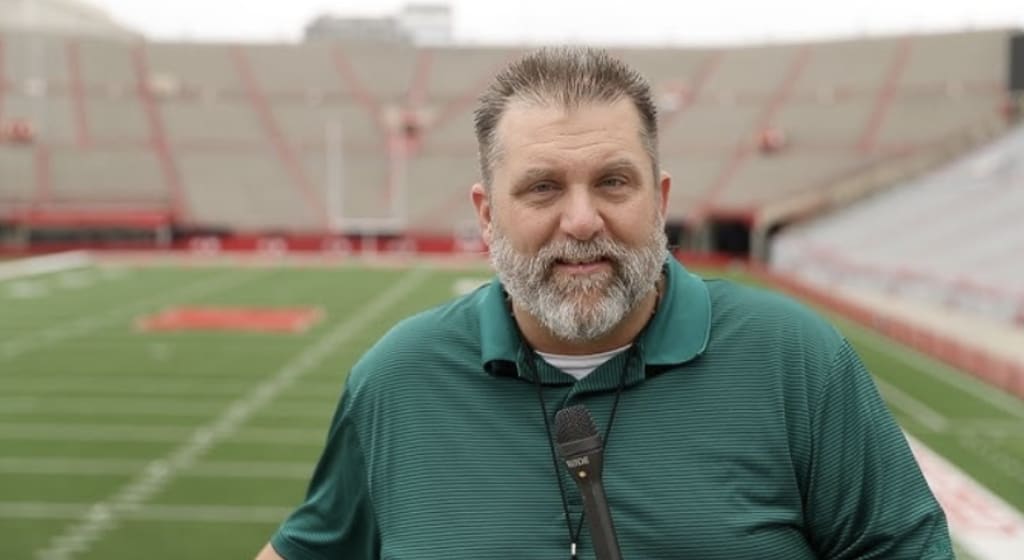
For Sam McKewon, covering Nebraska sports is less about game nights and more about everything that happens between them. As a longtime Nebraska football writer and columnist, his days are shaped by preparation, context, and the constant responsibility of explaining a program that carries outsized meaning for an entire state.
Nebraska sports journalism isn’t flashy. It’s steady, demanding, and deeply local. And that’s exactly why it matters.
Morning: Information Before Opinion
McKewon’s day often starts early, well before any practice reports or press conferences. Mornings are for reading, national coverage, Big Ten reporting, recruiting updates, and historical context. Nebraska football has no shortage of storylines, but not all of them deserve ink. The first job of the day is deciding what actually matters.
Research is ongoing, not episodic. Depth charts, injury histories, coaching tendencies, and recruiting timelines are constantly revisited. A single quote or stat rarely stands alone; it’s valuable only when placed inside a longer arc that fans recognize and care about.
Before writing a word, McKewon already knows where a story fits in the broader conversation surrounding the program.
Midday: Access, Observation, and Restraint
Press availability, practice access, and interviews tend to anchor the middle of the day. Nebraska athletes and coaches are accustomed to media attention, but that doesn’t mean access is casual. Questions must be specific, informed, and fair.
Much of what a seasoned journalist gathers never becomes a quote. Body language, hesitation, phrasing, and repetition all signal deeper truths. Good sports journalism is as much about listening as it is about asking.
Covering a program like Nebraska also requires restraint. Every comment can echo loudly across radio shows, message boards, and social media. The responsibility isn’t to inflame, it’s to clarify.
Writing: Explaining the Why
Afternoons are for writing, and this is where experience shows. McKewon’s work isn’t built on hot takes. It’s built on explanation.
Nebraska fans know the score. What they want to understand is why something happened and what it means next. Writing demands precision. Words like “struggle,” “collapse,” or “breakthrough” are chosen carefully, because they shape how a season is remembered.
Drafts are edited tightly. Assertions are backed with evidence. Emotional language is used sparingly. The goal is trust, earned over years, lost in a paragraph.
Images, Footage, and Editorial Judgment
Modern sports journalism is visual, but visuals come with responsibility. Sourcing editorial sports images and footage requires an understanding of licensing, usage rights, and context. Not every great photo is publishable, and not every available image fits the story being told.
Journalists work with wire services, in-house photo teams, and editorial image libraries to select visuals that support reporting rather than overshadow it. A photo should clarify tone, not sensationalize it.
Understanding what can be used, how it can be cropped, and where it can appear is now a core skill, not an afterthought.
Evenings: Context Never Sleeps
Games happen at night, but the work doesn’t end with the final whistle. Postgame analysis, locker room quotes, and late edits stretch long. Even on off days, story ideas evolve. Tomorrow’s column often begins as tonight’s footnote.
Covering Nebraska sports is a long game. Seasons bleed together. Narratives develop slowly. And credibility is built one accurate, thoughtful piece at a time.
What Sets Sam McKewon Apart
What distinguishes Sam McKewon from many sportswriters isn’t access or longevity, it’s judgment. In an era defined by instant reaction and amplified emotion, McKewon’s work stands out for its restraint. He doesn’t rush to be loud. He waits to be right.
Covering Nebraska athletics requires more than reporting outcomes. The programs he covers are woven into the state’s identity, and McKewon understands the responsibility that comes with that. He approaches stories with an awareness of history and consequence, recognizing that a single column can shape public perception for weeks. That sense of weight informs every decision: what to write, what to leave out, and when silence is more valuable than speculation.
McKewon’s reporting is rooted in preparation. He rarely arrives at a press conference without already knowing the answer he’s seeking. His questions aren’t designed for headlines; they’re designed for clarity. That intentionality earns respect from coaches and players, who know they’re being asked to explain, not perform. Over time, that trust opens doors to more honest insight, even when conversations remain on the record.
His writing also reflects a deep understanding of structure. McKewon doesn’t chase clever turns of phrase at the expense of meaning. His columns are built deliberately, with strong leads, measured pacing, and conclusions that feel earned rather than forced. He guides readers through complex seasons without oversimplifying them, allowing ambiguity to exist where it naturally belongs. That balance is rare in modern sports media.
Another defining trait is his ability to contextualize failure. In college sports, disappointment is often framed as crisis. McKewon resists that instinct. When Nebraska struggles, he examines causes instead of assigning blame. Coaching decisions, roster construction, institutional pressure, and historical expectations all factor into his analysis. Readers come away informed, not inflamed.
McKewon also understands the modern media ecosystem without being consumed by it. He engages across platforms, print, digital, radio, while maintaining a consistent voice. Social media doesn’t dictate his tone; it simply extends the conversation. That steadiness reinforces credibility at a time when trust in sports media is increasingly fragile.
Ultimately, what sets Sam McKewon apart is his commitment to explanation over reaction. He doesn’t write to win the day’s argument. He writes to help readers understand the bigger picture—where a program has been, where it stands, and where it might be going. In a profession that often rewards speed, McKewon’s value lies in patience.
About the Creator
Keep reading
More stories from Joe Candor and writers in Writers and other communities.
The Quiet Power of Adult Coloring
Adult coloring has developed into a valuable wellness activity that many adults now use for its health benefits. What once felt playful and nostalgic has transformed into a meaningful tool that supports stress relief, emotional stability, and mental focus. Adult coloring books have become a common sight in bookstores, gift shops, therapy offices, and wellness retreats. This growing presence reflects a cultural need for slower, calming activities in a world that moves at high speed and remains constantly connected.
By Joe Candorabout 18 hours ago in Art
No Other Choice (2025)
It is only February, so other films may well surpass “No Other Choice”, but I think this is the best film I’ve seen so far this year. And that surprises me, because, it is a subtitled film and while I am pretentious enough to choose to watch foreign-language films, I was also very tired and that was an extra commitment from me. But more importantly, let me warn you, this film is gruesome and violent. There were times I had to turn away from the screen to avoid the worst of it (including some self-inflicted dentistry).
By Rachel Robbins5 days ago in Geeks



Comments
There are no comments for this story
Be the first to respond and start the conversation.