
CXO 2.0 Conference Highlights How Thought Leaders Navigate Pressure & Drive Progress
Discover how the CXO 2.0 Conference explores purpose-driven leadership, helping CXOs navigate pressure and lead with clarity in a rapidly changing world.

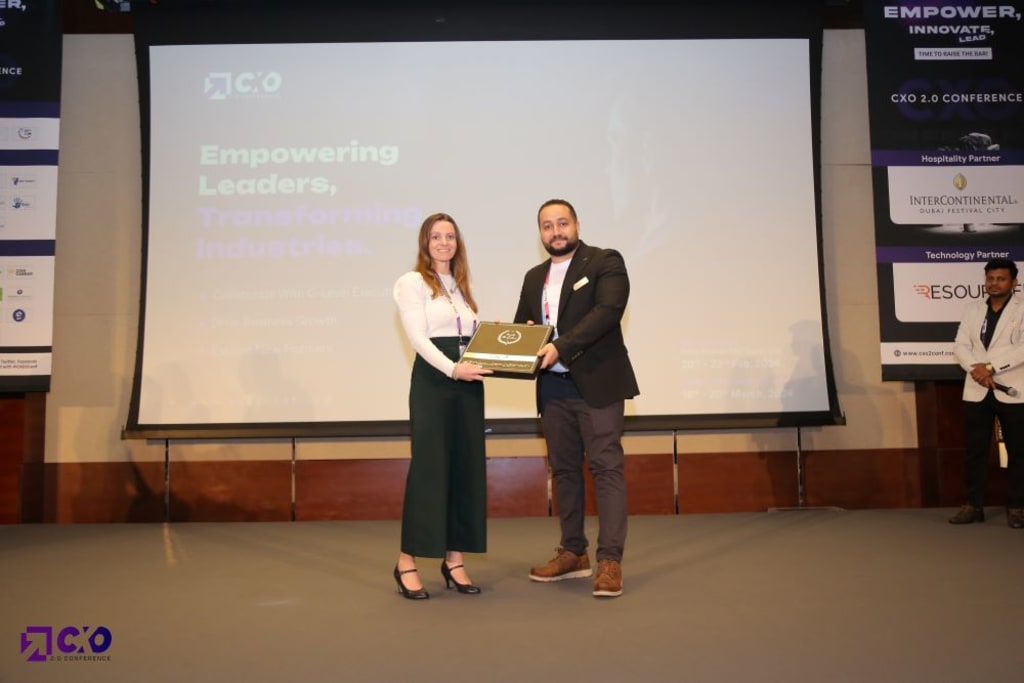
What does strong leadership really look like when the rules keep shifting, and the pressure never lets up? For many senior executives today, leadership no longer feels linear or predictable. It feels dynamic, obvious, and deeply consequential. CXOs are expected to make high-stakes decisions with incomplete information, inspire confidence across diverse teams, and deliver results while navigating constant change. This reality has reshaped how leadership strategies are defined and why many leaders are rethinking what it truly means to lead well.
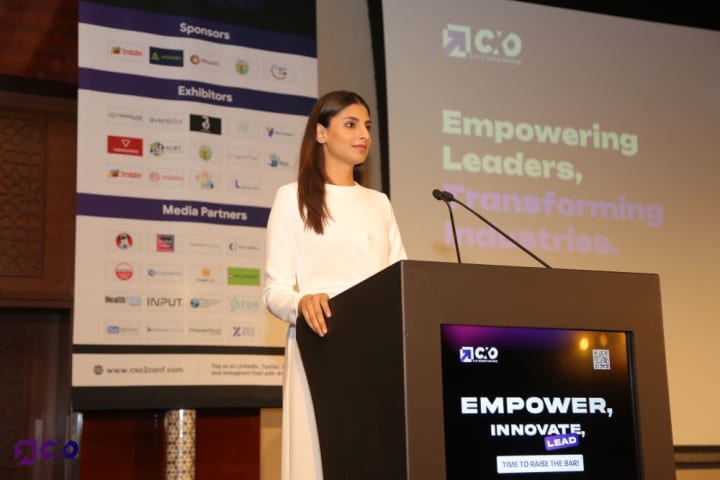
These evolving expectations are driving new conversations across 2026 leadership conferences in Las Vegas, such as the CXO 2.0 Conference, where senior executives gather to exchange executive insights on purpose-driven leadership and sustainable business innovation. At the center of these discussions are three forces shaping the modern leadership era. Purpose provides direction when uncertainty is high. Pressure tests judgment and resilience at every turn. Progress determines whether organizations remain relevant or fall behind. CXOs who learn to balance all three are not just adapting to change. They are setting the standard for leadership in the years ahead.
How CXOs' Role Is Expanding In Effective Ways
The modern CXO role extends far beyond managing functions or delivering financial outcomes. Today’s leaders shape organizational culture, influence trust, and define how value is created over the long term. Their decisions now ripple across employees, customers, partners, and investors with unprecedented speed and visibility.
Global volatility, rapid technological change, and rising stakeholder expectations have accelerated this evolution. Employees want leaders who listen and communicate clearly. Customers expect organizations to stand for something beyond profit. Boards look for leaders who can balance performance with sustainability.
This expansion of responsibility presents a powerful opportunity. CXOs are no longer limited to steering the business. They can shape organizations that are resilient, adaptive, and aligned around a shared direction. Leadership has become less about control and more about coherence.
How Purpose Strengthens Modern Leadership
Purpose has moved well beyond being a branding concept and has become a practical leadership tool that CXOs rely on daily. This shift is increasingly reflected in conversations at global leadership conferences, where leaders share how purpose helps them make clearer decisions, align teams more effectively, and maintain credibility during periods of uncertainty.
- Purpose gives leaders a steady anchor when navigating uncertainty, enabling confident decisions even when information is incomplete.
- A shared sense of purpose helps teams align across functions and geographies, reducing the need for constant top-down direction.
- Leaders who communicate purpose clearly build trust, credibility, and long-term commitment among employees and partners.
- Purpose-driven leadership creates the confidence teams need to innovate responsibly while staying aligned with organizational goals.
Purpose also brings consistency to leadership behavior. When priorities shift, or external pressure rises, purpose helps leaders explain not just what is changing, but why it matters. Over time, this clarity strengthens culture and reinforces trust. Purpose becomes a source of stability and momentum rather than a static statement on a website.
The Discipline Of Staying Clear Under Stress
Pressure is an unavoidable part of executive leadership. CXOs operate under constant scrutiny, tight timelines, and high expectations from multiple stakeholders. What separates strong leaders from overwhelmed ones is not the absence of pressure, but how they respond to it.
- Effective leaders acknowledge pressure openly and respond with composure rather than urgency, which strengthens trust and credibility.
- They focus on decisions that create meaningful momentum instead of reacting to every immediate demand.
- They rely on structured thinking and clear frameworks to maintain clarity during high-stakes moments.
- They involve trusted leadership teams to test assumptions, strengthen judgment, and avoid blind spots.
Rather than letting pressure trigger reactive decisions, effective leaders use it to sharpen priorities and refocus. This approach is often discussed at leadership conferences, such as the CXO 2.0 Conference, where CXOs share how slowing their thinking while maintaining execution protects decision quality, strengthens culture, and turns pressure into a source of clarity rather than friction.
How Progress Is Being Redefined For Long-Term Growth
Progress today looks very different from what it did even a decade ago. Financial performance still matters, but it no longer tells the whole story of leadership success. CXOs are increasingly evaluated on how adaptable their organizations are, how well they respond to change, and whether they are building businesses that can evolve rather than simply endure. Growth is now tied to long-term relevance, not just short-term results.
Sustained progress depends on a careful balance between execution and exploration. Leaders who focus only on protecting what already works risk falling behind, while those who chase every new trend often lose focus. The most effective leaders find the middle ground, where clear strategy, continuous learning, and thoughtful innovation reinforce one another. Business innovation has become a leadership responsibility, shaped by how CXOs encourage experimentation, manage risk, and invest in people. When teams feel empowered to improve how work gets done, progress becomes both steady and sustainable.

Leadership Influence In The Modern Organization
As organizations become more interconnected and people-driven, the CXO role continues to evolve. Influence now matters as much as authority. Listening has become as important as directing. Continuous learning is no longer optional, even at the most senior levels.
Modern leadership places greater emphasis on empathy, communication, and adaptability. CXOs are expected to understand diverse perspectives, navigate cultural complexity, and lead teams through constant change without losing momentum. This evolution does not weaken leadership. It strengthens it by making it more relevant and resilient.
Various leadership conferences reflect this shift. They create space for leaders to exchange executive insights, learn from peers, and explore leadership strategies that balance performance with purpose. These conversations help CXOs refine not just what they do, but how they lead.
What Effective Leaders Do Differently Every Day
Thriving in today’s leadership environment requires deliberate habits and consistent reflection. The following takeaways help CXOs stay grounded while moving their organizations forward with confidence.
- Reconnect regularly with organizational purpose and ensure it is reflected in daily leadership decisions and communications.
- Protect time for long-term thinking while maintaining a strong focus on operational excellence.
- Treat business innovation as a consistent leadership practice that evolves with the organization.
- Build leadership teams that challenge ideas constructively while remaining aligned on shared goals and values.
When applied consistently, these practices strengthen leadership strategies and support sustained progress rather than short-lived success, a reality frequently reinforced in conversations at global leadership conferences where senior executives exchange practical lessons from the field.
The Next Chapter Of Executive Leadership
Purpose, pressure, and progress are not separate challenges to be managed in isolation. They are interconnected elements of effective leadership in the modern era, shaping how decisions are made, how teams are led, and how organizations move forward. CXOs who learn to align these forces are better positioned to navigate uncertainty with clarity and confidence, while keeping their organizations focused on what truly matters.
Leadership that endures is built on intention, adaptability, and trust. It favors direction over reaction and learning over certainty, especially in moments that test judgment and resolve. As these conversations continue to take center stage at 2026 leadership conferences in Las Vegas, such as the CXO 2.0 Conference, senior executives have a valuable opportunity to reflect, recalibrate, and shape what comes next. The leaders who will define the future are not simply responding to change. They are leading it with purpose, resilience, and conviction.
About the Creator
CXO 2.0 Conference
The CXO 2.0 Conference brings together the crème de la crème of the corporate world. It is a three-day summit designed to facilitate insightful dialogue among top-tier leaders from globally recognized firms and flourishing startups.
Keep reading
More stories from CXO 2.0 Conference and writers in Writers and other communities.
Global Leadership Conference Reveals Why Quiet Leadership Is Winning In 2026
In a world where transformation is constant and innovation sets the pace, a powerful new leadership style is capturing attention: quiet leadership. It’s the art of leading with empathy, reflection, and purposeful influence—without needing to be the loudest voice in the room.
By CXO 2.0 Conference3 months ago in Writers
Unofficial Challenge: What would you do if you were rich?
I love the kind of work I get to do in my career, but as I job search and browse apartments again due to another understaffed and unsustainable work environment that I did not intend to get into, my daydreams of better days consistently lean into the same question: What would I do if I didn't have to worry about my basic needs being met?
By Kay Husnickabout 23 hours ago in Writers
The Missing Ingredient
The first time I saw her, she was wearing a velvety, red ribbon in her hair. She carried a small leather backpack everywhere. She searched the forest by turning stones, checking beneath shrubs, listening to the wind as if it might carry an answer.
By Imola Tóth7 days ago in Fiction




Comments
There are no comments for this story
Be the first to respond and start the conversation.