
FSG 48 Valves in Aerospace: Precision Flow Control for Mission-Critical Aircraft Systems
How regulated fluid control components sustain hydraulic integrity, fuel efficiency, and aviation safety standards.

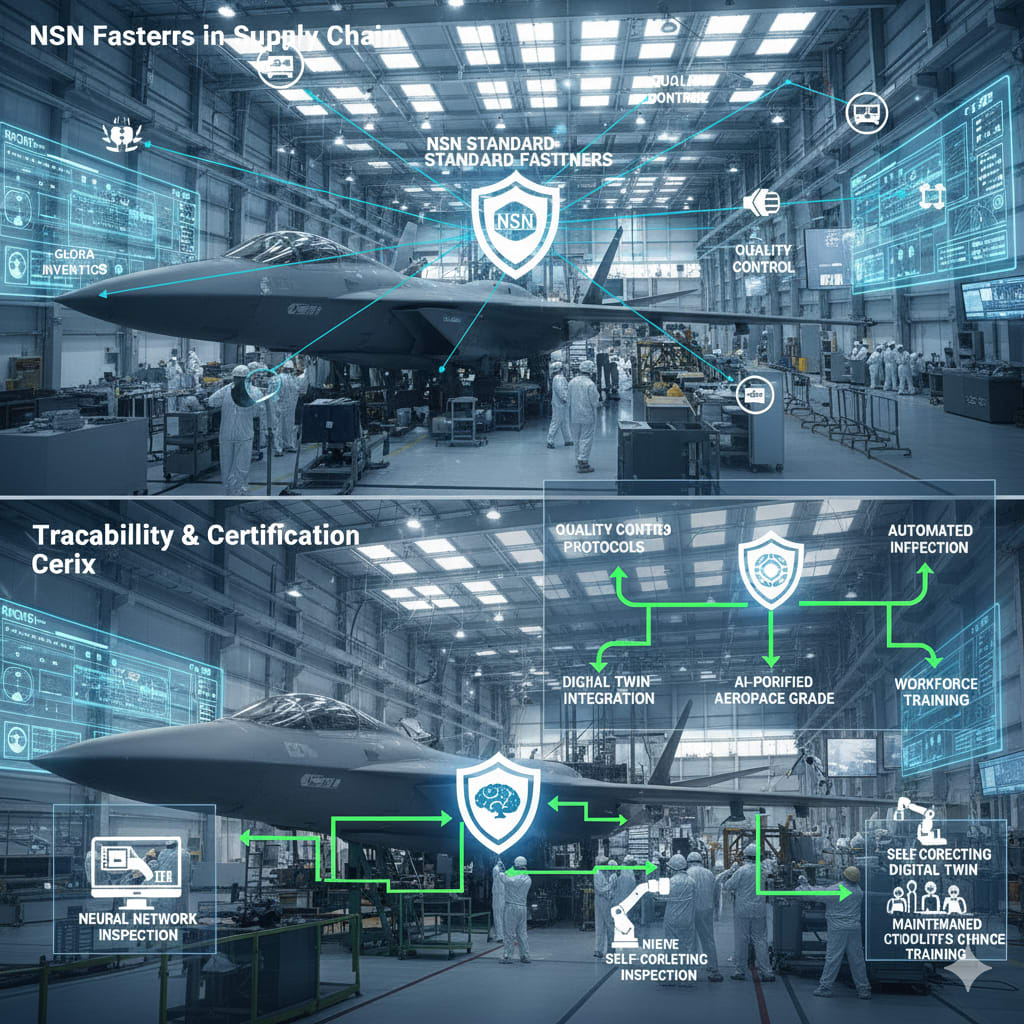
Modern aircraft operate through a complex integration of mechanical, hydraulic, pneumatic, and fuel systems. While engines generate thrust and avionics guide navigation, fluid control components ensure that these systems operate with precision and reliability. Without dependable valves, aircraft performance and safety would be compromised.
In aerospace logistics and procurement, standardized classification systems help organize critical components. Federal Supply Groups (FSG) provide structured categories that simplify sourcing for regulated industries such as aviation and defense. Among these classifications, FSG 48 Valves represent a specialized grouping dedicated to fluid control components.
These valves play a central role in managing the movement of liquids and gases throughout aircraft systems. Hydraulic valves regulate pressure for landing gear deployment and flight control surfaces. Fuel system valves manage fuel flow from tanks to engines. Pressure-relief valves protect systems from overload, while environmental valves assist in maintaining proper cabin pressurization.
Aerospace operating conditions are uniquely demanding. Aircraft encounter sub-zero temperatures at cruising altitudes and rapid thermal shifts during ascent and descent. Hydraulic systems must withstand high pressure loads while maintaining consistent response times. Components are engineered to endure vibration, pressure cycling, and extended operational life without performance degradation.
Compliance is equally critical. Regulatory authorities such as the Federal Aviation Administration require rigorous testing, certification, and traceability documentation for components used in certified aircraft. Pressure testing, flow analysis, endurance cycling, and material verification are all part of the qualification process. These safeguards ensure that every installed valve meets strict airworthiness standards.
In commercial aviation, fluid control reliability supports passenger safety and operational efficiency. In military aircraft, durability and rapid response are even more essential, especially under high-stress tactical conditions. Business aviation platforms similarly rely on precise hydraulic and fuel management systems to maintain performance consistency.
From a procurement perspective, standardized classifications streamline acquisition. FSG 48 Valves allow maintenance teams and supply chain managers to quickly identify compliant components, reducing sourcing errors and improving lifecycle management. Accurate categorization enhances documentation, traceability, and inventory control across aviation operations.
As aerospace technology advances toward lighter materials and smarter systems, the importance of reliable fluid control remains constant. Precision engineering at the component level directly influences the safety and efficiency of the entire aircraft.
In aviation, safety is engineered into every subsystem. Through structured classification and high-performance design, fluid control components continue to uphold the standards that keep aircraft operating safely around the world.

About the Creator
Beckett Dowhan
Where aviation standards meet real-world sourcing NSN components, FSG/FSC systems, and aerospace-grade fasteners explained clearly.
Keep reading
More stories from Beckett Dowhan and writers in Writers and other communities.
Unofficial Challenge: What would you do if you were rich?
I love the kind of work I get to do in my career, but as I job search and browse apartments again due to another understaffed and unsustainable work environment that I did not intend to get into, my daydreams of better days consistently lean into the same question: What would I do if I didn't have to worry about my basic needs being met?
By Kay Husnickabout 14 hours ago in Writers
📖 "Publish a Book, and the Scammers Will Find You." Anatomy of a $37 Extortion Attempt
Publishing a book is an emotional rollercoaster 🎢. After months (or years) of writing, editing, and wrestling with formatting, you finally hit "publish." You’re proud, excited, and—most importantly—hungry for validation that your work matters. It’s at this exact moment, when your guard is down and your hunger for success is at its peak, that they appear: The "Author Hunters" 🕵️♂️.
By Piotr Nowak2 days ago in Writers
The Missing Ingredient
The first time I saw her, she was wearing a velvety, red ribbon in her hair. She carried a small leather backpack everywhere. She searched the forest by turning stones, checking beneath shrubs, listening to the wind as if it might carry an answer.
By Imola Tóth7 days ago in Fiction



Comments
There are no comments for this story
Be the first to respond and start the conversation.