
How Does Ghostwriting Transform Authorial Voice?
Exploring the Dynamics of Collaboration and Identity in Literary Creation


To ghostwrite is to compose text on behalf of someone else who is held out as the author. This collaboration may often result to fundamental changes in the author’s voice – the writer’s idiosyncratic style, character, or perspective in which and through which they write. To understand how ghostwriting changes such voice, it is essential to consider the following parameters; purpose, truth, scope, and interaction.
Understanding Authorial Writing
The author’s writing voice is the pattern and texture of their work expressed in a distinct style. This encompasses vocabulary, rhythm, pacing, and syntax as well as the emotional residue left by the author’s past and outlook. In engaging a ghost writer, this voice may be altered by the audience, genre, and the voiced ideas of the author.Understand the role of the ghostwriter
Ghostwriters play an important intermediary role in getting the ideas of the authors to be put down on paper. Such role encompasses:
Recognizing the Author’s Voice: Ghostwriters are tasked to authenticate the voice of the writing by conducting voice analysis of the author and their work in the past.
Defining the Idea: This requires close and intimate discussions with the author to amass the idea and emotional subtexts behind it to ensure the author’s purpose is well articulated.
Adapting Tone and Style: Depending on the audience or a certain genre the ghostwriters should be able to modify the tone of the writing. For example, a this business memoir should have a more formal tone, however a memoir of a celebrity is likely to be written in an informal tone.
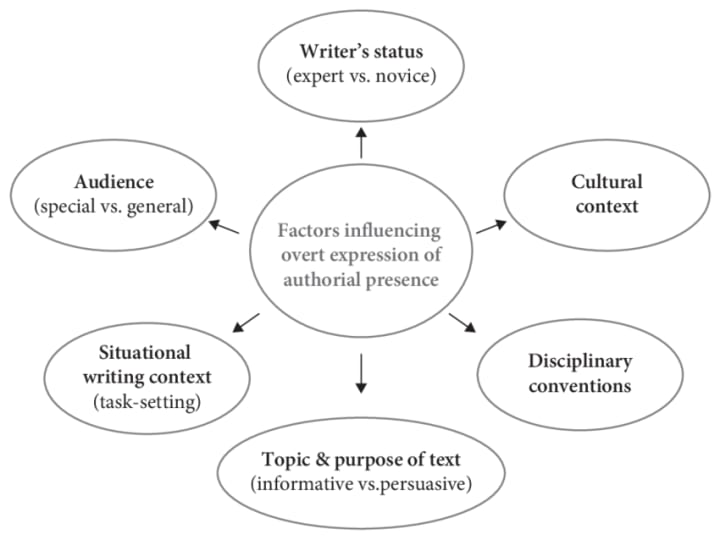
Maintaining Creativity and Originality of Writing
In ghostwriting I believe there is something that is very crucial, up holding the voice of the original author or the voice of the book itself which automatically accepts the efforts of the ghost writer. One might find in such cases that:
Preservation of the Author's Voice. This is scenario where the self of the writer is assumed to be kept with only enhancing and making words more clear and appealing.
Emergence of A New Voice. There are those occasions, when the work, perhaps results in the blending of two voices, hence producing a new one which is inclusive to wider audience applicability.
Risk of Disconnection. There’s also the opposite which is disconnecting readers from the book if a writer decides to completely change the voice or style of writing. If such situation appears it is important to have constant contact with the author.
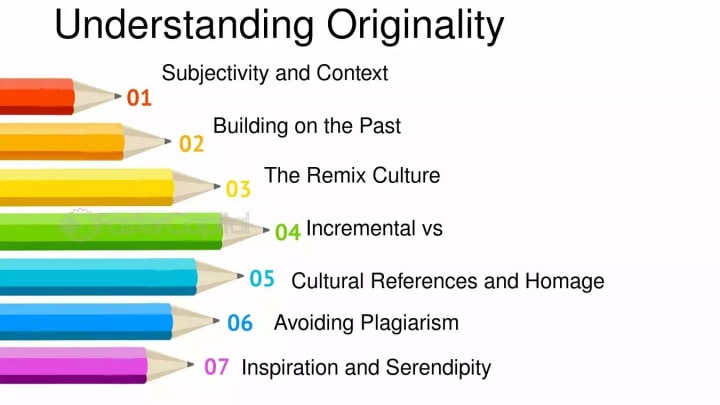
The Author's Intent and Identity
For a number of reasons authors use the services of ghost writers:
Lack of Time Evidence. Business persons and experts most of the time are busy and do not have enough time allowing themselves to write.
The Experts about who they Seek: One cannot blame everyone as not everyone possesses a specific set of skills to put down on paper or make it sound appealing which is where a ghost writer’s work comes in.
Anonymity: Most of the time, authors use ghostwriters to take the center stage regardless of not generating a narrative allowing them to remain concealed from the public eye.
These motivations come together to form the voice that is heard in the final work and this is primarily the reason why ghostwriters must always be mindful about the author’s underlying motive and what he or she wants to achieve in the piece.
Understanding the Audience
If ghostwriters want to create works with their specific demographics and their expectations in mind, then doing a target audience analysis is necessary. Comprehending who the targeted readers are is a key point that may affect the tone and content of the final piece so that precisely meets what the readers want.

Challenges and Ethics
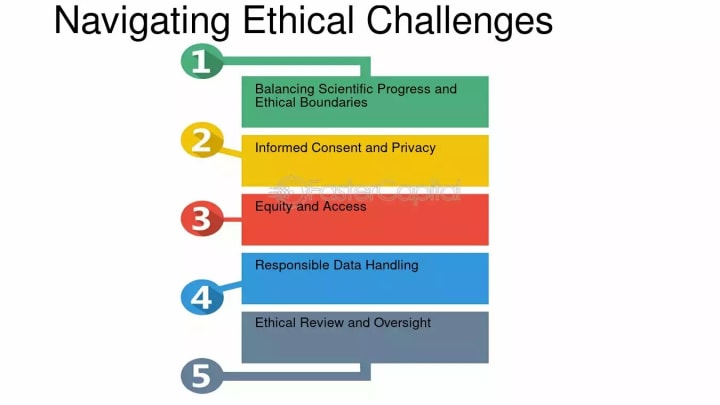
Ethical issues are prevalent in ghostwriting which relate primarily to the questions of authenticity and ownership of the text. When a ghostwriter has considerable influence, one may question how much of the author’s voice is left at the end. And also, questions about who should get credit create problems in authorship within the literary credit system.
Conclusion
Characteristically, ghostwriting is the process of why particular works of an author or authors are transformed and how they are done. Whereas the critical voice of the author can be lost, good ghosting means that a core message of the author is delivered albeit through other creative means. With the changes in the 21st century brought on by technology, it is essential for writers, readers, and critics to understand how ghostwriting operates in order to expand discussions about identity and authorship.
About the Creator
Diane L. Richardson
Author
Keep reading
More stories from Diane L. Richardson and writers in Writers and other communities.
Why Hire a Social Media Manager? The Advantages Over DIY
In today's digital age, social media has become an essential pillar for businesses and personal brands alike. While it's tempting for owners and individuals to handle their own social media marketing, employing a dedicated social media manager can yield significant benefits. Let’s delve into the compelling reasons why hiring a professional to manage social media may be a superior choice.
By Diane L. Richardsonabout a year ago in Writers
Draft Deleting? Don't Do It!
Today, I had a little time. I decided that I would have a look at the drafts that I have on Vocal. This is part of a long-term wish to have everything I've written on paper rather than virtually. I've not looked at them for weeks and something drew me to them, just to browse and see what was there.
By Rachel Deemingabout 17 hours ago in Writers
Super Bowl LX Recap: A Team Called Hawks
Sixty. The Super Bowl turned 60! Still amazes me that this was the sixtieth Super Bowl played in NFL history. It seems like yesterday that I watched Super Bowl XXVII, the first SB I ever watched. The QB who won Super Bowl XXVII has since called a few SBs, and will call next year's game, but that's another story. Super Bowl LX took place at Levi's Stadium in Santa Clara, California, the home stadium of the San Francisco 49ers. However, it was one of their division foes who represented the NFC, as the Seattle Seahawks faced off against the New England Patriots.
By Clyde E. Dawkins7 days ago in Unbalanced




Comments
There are no comments for this story
Be the first to respond and start the conversation.