
How Shared Living Is Quietly Changing the Way Cities Feel Like Home
A Smarter Alternative to Traditional Renting in Big Cities

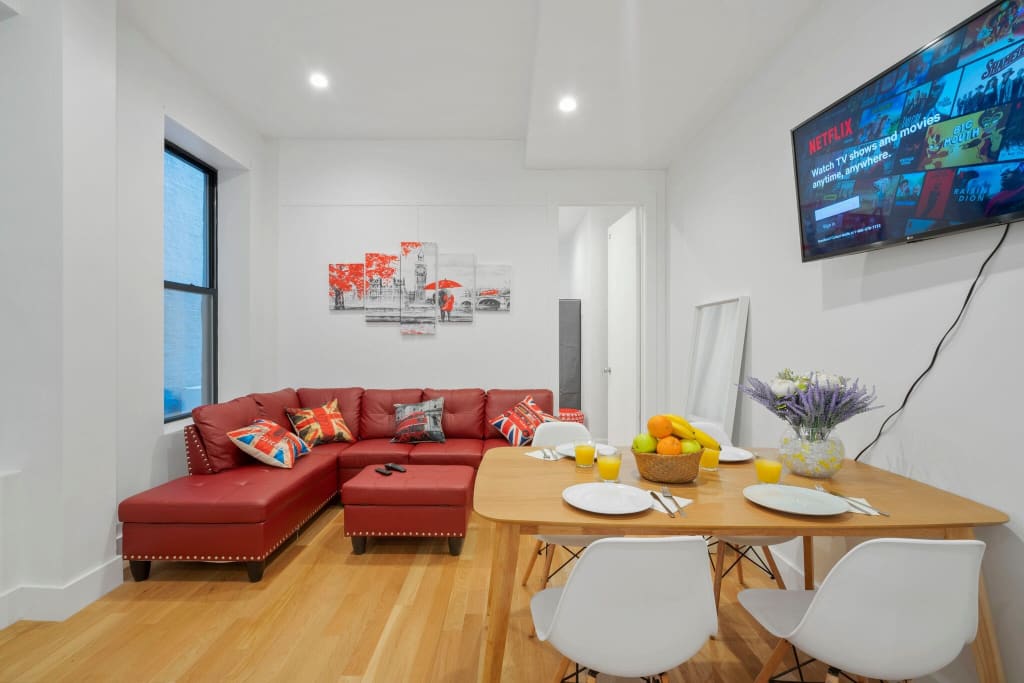
Living in a big city often looks exciting from the outside, but the reality can be very different. New neighborhoods, unfamiliar routines, high rents, and long contracts can make settling in feel overwhelming. For many people, especially students, freelancers, and professionals moving for work, housing becomes the biggest challenge—not because options are limited, but because flexibility is.
Traditional renting usually expects people to commit before they even understand a city. Long leases, furniture costs, utility setup, and deposits all assume stability, even when life is anything but stable. Over time, this gap between how people live and how housing works has pushed many to look for alternatives.
Shared living has slowly emerged as one of those alternatives.
Instead of focusing only on private space, shared living places equal importance on common areas and everyday interaction. Kitchens, lounges, and dining spaces become shared environments where people cross paths naturally. This structure allows residents to maintain privacy while still being part of a small, informal community. For newcomers, that sense of connection can make an unfamiliar city feel more approachable.
What makes shared living appealing is not just affordability, but simplicity. Moving into a furnished space removes the stress of setting up a home from scratch. Having utilities, internet, and maintenance handled centrally reduces daily friction. These details may seem small, but together they change how quickly someone can feel settled.
Over the last few years, I’ve noticed that shared living attracts people at transitional points in life. Some are relocating for short-term work, others are students figuring out their next step, and many are professionals who value flexibility over permanence. Their needs are different, but the common thread is a desire for ease and adaptability.
One example of this model is SharedEasy, a shared living concept designed around furnished rooms and inclusive living arrangements. Rather than presenting itself as a traditional rental, it reflects a shift toward housing that supports movement, change, and evolving lifestyles. The focus is less on ownership and more on access—access to space, community, and time.
What stands out in shared living environments is how quickly routines form. Morning conversations in shared kitchens, casual check-ins after work, and shared responsibilities create a rhythm that doesn’t usually exist in isolated apartments. These interactions don’t force connection, but they make it possible, which can be especially valuable for people living alone in a new city.
There is also a psychological aspect to shared living that often goes unnoticed. When housing removes basic logistical stress, people tend to invest more energy into work, learning, and relationships. They spend less time solving problems and more time living their lives. In this way, housing becomes a support system rather than a burden.
Of course, shared living isn’t for everyone. Some people prefer complete independence, while others value long-term stability over flexibility. But for those in between—those navigating change, growth, or uncertainty—it offers a practical middle ground. It allows people to stay mobile without feeling disconnected.
As cities continue to grow and lifestyles become less linear, housing models will need to evolve alongside them. The idea of staying in one place for years no longer fits everyone’s reality. Shared living reflects this shift by acknowledging that modern life is dynamic, and housing should be too.
Rather than redefining what a home looks like, shared living quietly redefines how a home feels. It prioritizes comfort without permanence, connection without obligation, and structure without rigidity. In doing so, it creates space for people to focus on what brought them to the city in the first place.
In many ways, shared living isn’t about sharing space at all—it’s about sharing time, transition, and experience, even if only for a short while.
About the Creator
Ausfab Group
Ausfab Group has been a pioneer in retail plastics since 1975. Founded by John Calder, a former Woolworths executive, we are a proud family-owned business that specializes in high-quality acrylic products.
Keep reading
More stories from Ausfab Group and writers in Writers and other communities.
SharedEasy Guide on How to Buy Residential Property Without Stress
Purchasing a home belongs to life's most significant financial decisions. For many first time buyers, the process appears intimidating because of its maze of paperwork, inspections and negotiations. Industry experts agree that with solid preparation plus knowledge, anyone moves through the home buying journey successfully. This is what prospective homeowners need to know to decide with confidence.
By Ausfab Group17 days ago in Writers
Analyse this!
Wanna know how to improve your writing? There is a simple, quick, tried and tested method. Tried and tested by who? By me, as it happens, and I can guarantee that it will work for you. I know what I am talking about. Not always, of course, but certainly in this case.
By Raymond G. Taylor5 days ago in Writers
I Wrote Every Day for 6 Months and Burned Out Completely. Here’s What I Was Doing Wrong.
Six months of writing every single day without a single missed day, and I was proud of that streak. But I was also completely exhausted, resentful, and starting to hate the thing I'd committed to doing.
By Ellen Frances4 days ago in Writers
I've Just Realized
The President doesn't understand music. There. It felt very good to write that; it's some thing I just realized today. Oh , yes; he plays it. He TRUMPets it in rallies and meetings, pumps it across the airwaves when he gathers up our minutes waiting for his late arrival.
By Judey Kalchik 4 days ago in Beat




Comments
There are no comments for this story
Be the first to respond and start the conversation.