
Making Your Prologues Worth Reading
Most prologues suck. Let's do something about that.

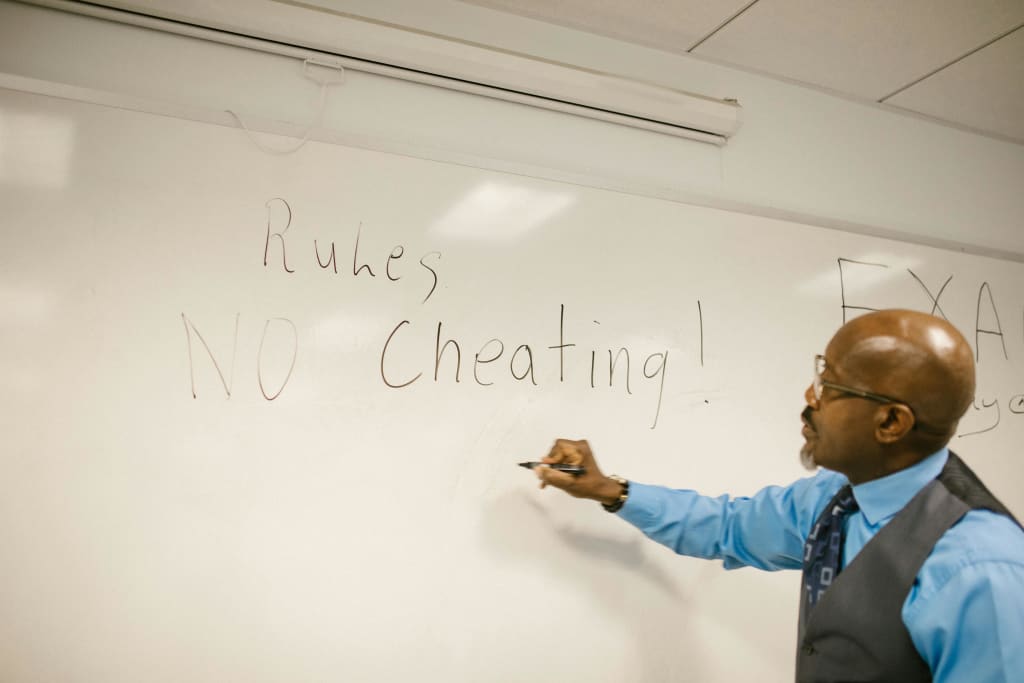
Prologues are not popular. A lot of readers actually refuse to read them, and skip right over them like a short wall: These readers have found that prologues are pretty much a waste of time, and so there’s no reason to read them. Too many writers use the prologue to catch people up, introduce characters with little payoff, or just show off that they can write; these are poor reasons to have a prologue. While the prologue can do a lot of work for your story, it needs to be done with some finesse.
What To Exclude From Your Prologue
Your prologue is the introduction to your book, and you shouldn’t waste that opportunity. However, a lot of writers actually find ways to waste this opportunity and instead force the reader to waste time with material that could be better presented. The obvious problem is exposition: The writer feels that some information needs to be presented as quickly as possible for the reader to be immersed in their story. The reality is that most readers would prefer to be dropped into the environment and figure it out as they go; half the fun is trying to figure out how your ectoplasmic spectrum blasters work. In essence, it’s better to spread the exposition throughout the rest of the book rather than in the prologue.
Along those lines, don’t review the previous book. Do like Tolkien and just start the bloody story when you start a new book. Your audience already knows the story, they’re waiting to get into the next book, and here you are mansplaining the events of the last book to them. No one has time for that silliness. Just get on with the story, and let them mess around for a bit. Sure, new readers would appreciate it, but that just means that they should have read the last book, right? Again, Tolkien didn’t do it over two sequels, and he knew what he was doing, so don’t rehash the previous book in your prologue
But What About The Characters?
Then there’s the introduction of characters. Some writers ease readers in with what’s essentially a short story and show what life is like using minor characters. Some writers will even revisit those minor characters to show how life has changed. While this is a sort of cool idea, it’s better to use the minor characters in the story itself, usually as a sort of running gag (running gags don’t need to be funny) and so the minor characters keep showing up; this is fine. Starting a long story with a short story? Not so fine.
And then there is the hero origin story. Some writers start with a short story on the youth of the hero before he became a hero. While this can work (watch the movie “Beastmaster” for such an example), a better idea is to put the story in as either an aside or a flashback. The reason the “Beastmaster” prologue works is because it’s the start of the story, and it shows an important part of the story; it just wouldn’t work as a flashback. So just start your story and fill in the blanks later on.
So What Should You Include?
Prologues do have some uses. If you’re not introducing the antagonist for a while, use the prologue to at least establish his presence; this way you have his shadow hanging over the story. Heck, you can even show why he’s doing what he’s doing; if done well, it adds a level of tension to the story that didn’t exist before. This also applies to the macguffin; if the item itself is going to have power in the story, then give it a chance to show what it can do when it’s fully powered up; this can help raise the stakes and the tension. There’s also a twofer: You can introduce the antagonist when you introduce the macguffin, showing why he wants to possess it or destroy the object.
You can also use the prologue for foreshadowing. You can show the potential effects if the hero is unsuccessful or introduce a character who won’t be showing up for a while but is still important. This is different from introducing minor characters: In this case, you’re technically starting the actual story and adding elements that will carry over into it. You’re adding a certain level of stress to the situation; you’re putting something in the back of the reader’s mind that will pay off later. It either ups the stakes, or gives the reader security that help is coming.
In short, the prologue can help your book if it’s done right. The key is that you should be using it to add to the story, not just provide more material to read. It needs to add something to the story, not just be a shiny ornament. Use it to tell your story, and you can rarely go wrong.
About the Creator
Jamais Jochim
I'm the guy who knows every last fact about Spider-man and if I don't I'll track it down. I love bad movies, enjoy table-top gaming, and probably would drive you crazy if you weren't ready for it.
Keep reading
More stories from Jamais Jochim and writers in Writers and other communities.
How to Write Werewolves Better
There is a lot of werewolf lore, and a lot of it contradicts itself. Some werewolves change with the moon, while others change whenever they want. Some werewolves require objects like a wolfskin belt to effect the change, while others do fine on their own. There are even debates on their relative intelligence once they’ve changed, and the debates on which specific forms they have can get…interesting. However, with a little forethought, writing werewolves can be a lot simpler.
By Jamais Jochimabout a month ago in Writers
Is AI Self-serving When You Ask Questions About Artificial Intelligence?
First let me state clearly - like we're becoming required to do - this story was completely written by a human, with the exception of any online Google search assisted research on the topic of artificial intelligence (which by the way, uses AI).
By Justiss Goode7 days ago in Writers


Comments
There are no comments for this story
Be the first to respond and start the conversation.