
Seeking Justice for Renee Nicole Good
A Legal and Factual Brief Urging State Charges and Transparent Investigation.

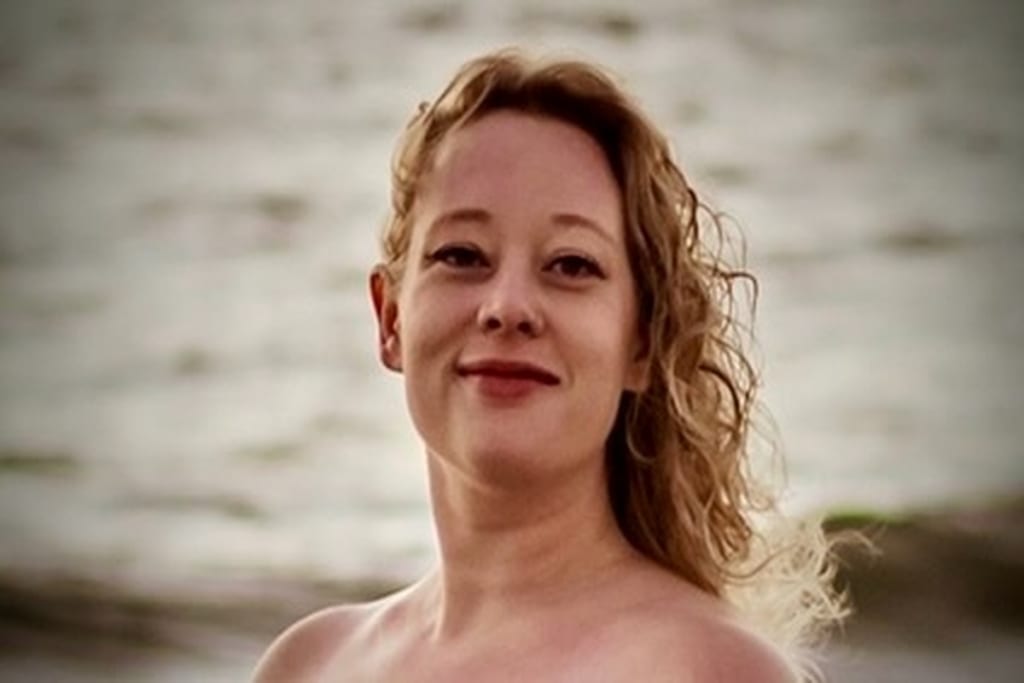
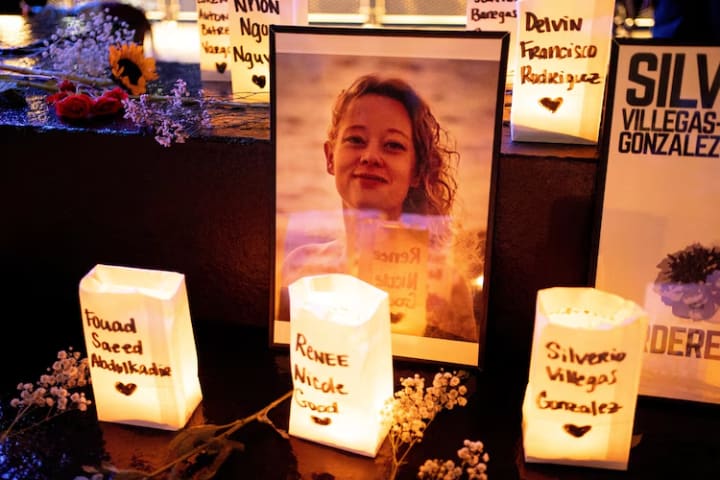
Seeking Justice for Renee Nicole Good
A Legal and Factual Brief Urging State Charges and Transparent Investigation
Prepared for: Hennepin County Attorney’s Office and Minnesota Attorney General
Date: January 9, 2026 (CT)
Prepared by: Leavie Scott (concerned citizen), with public-source documentation.
Executive Summary
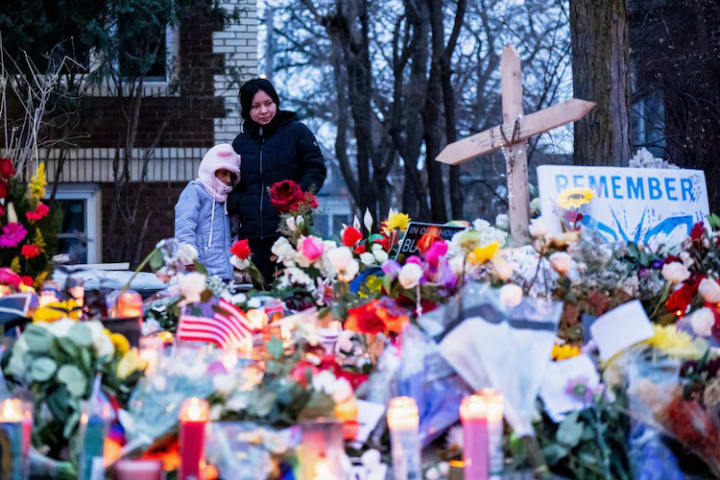
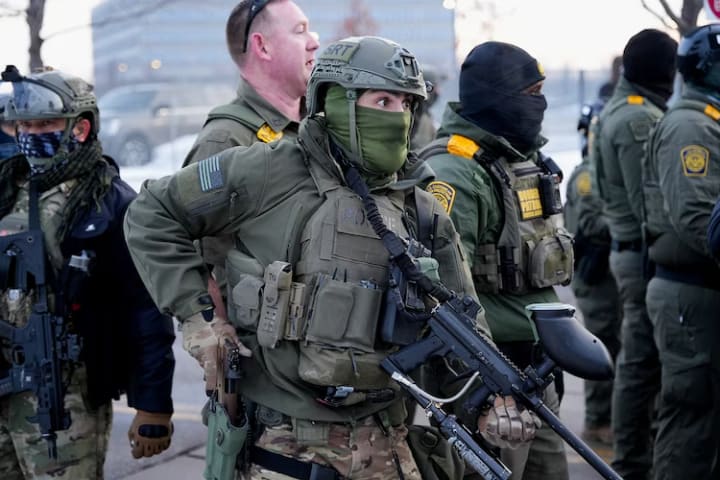
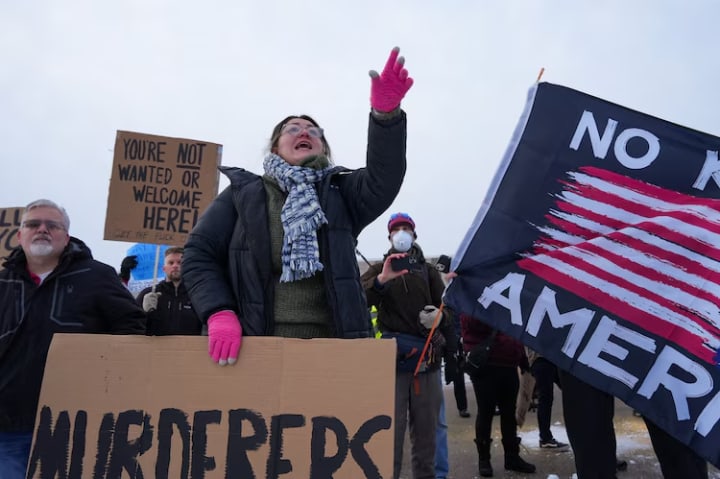
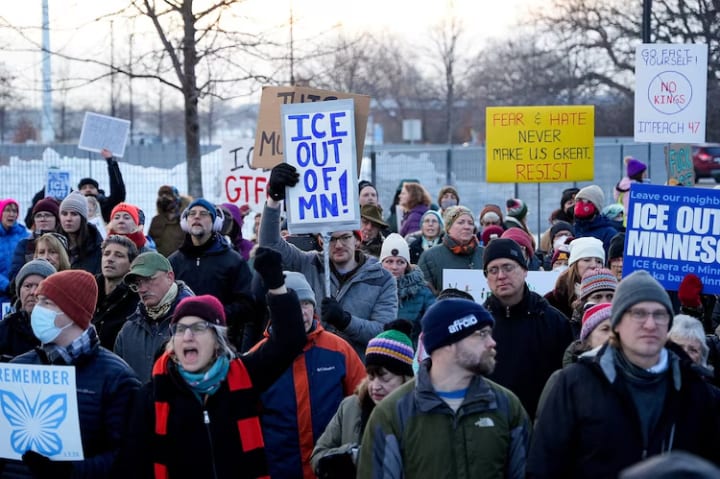
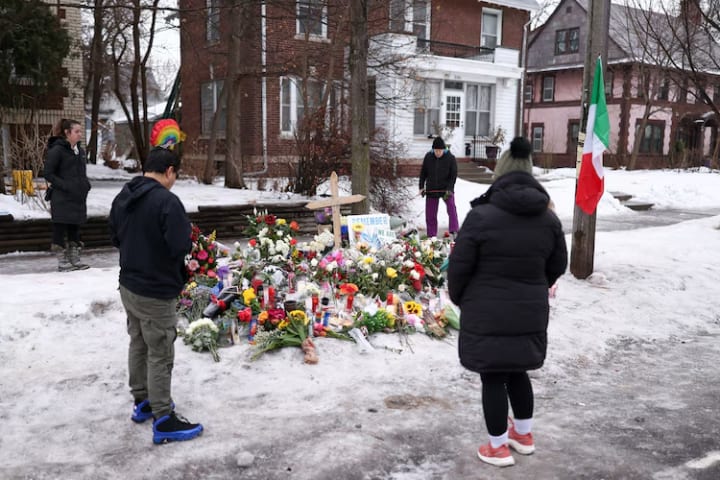
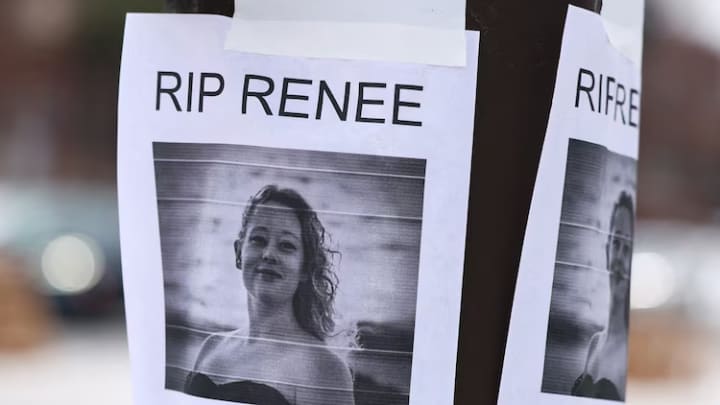
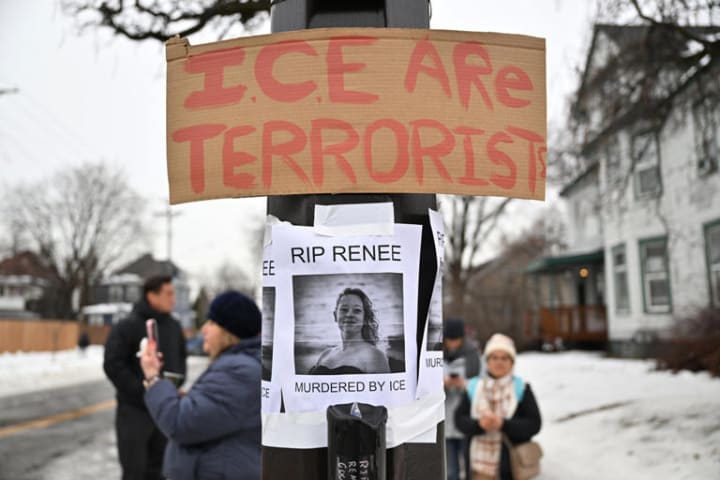
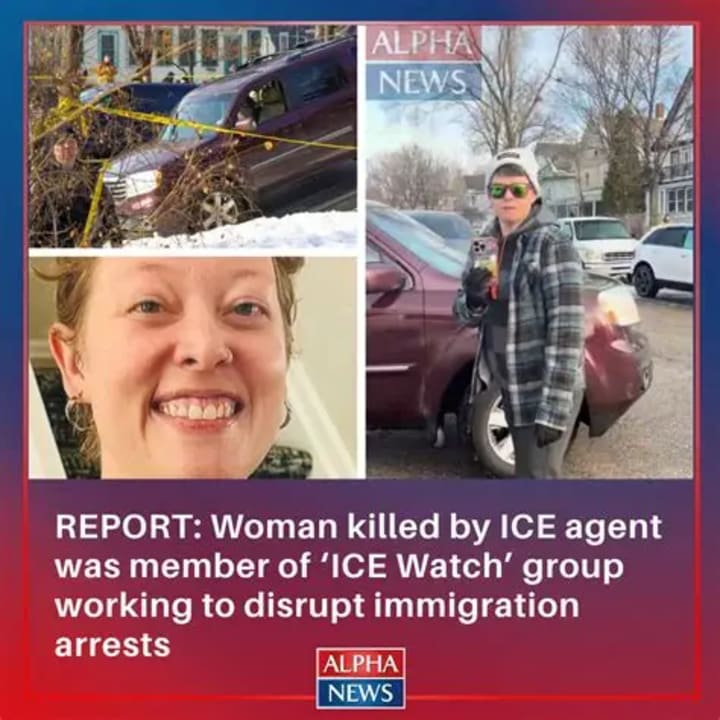
On January 7, 2026, Renee Nicole Good, a 37‑year‑old Minneapolis resident and mother of three, was fatally shot by an Immigration and Customs Enforcement (ICE) officer during a federal operation in a residential neighborhood near Green Central Park Elementary School. Multiple bystander and officer‑perspective videos show the agent filming with his cellphone as Ms. Good’s SUV moves; shots are fired at close range; and the vehicle crashes moments later. Federal officials have characterized the incident as self‑defense and even “domestic terrorism,” while Minneapolis officials and Minnesota state leaders dispute that account, calling for a transparent, state‑involved investigation.

Despite federal control of key evidence (including the vehicle) and statements asserting that the state “has no jurisdiction,” Minnesota law enforcement leaders have publicly clarified that Hennepin County has authority to make any charging decision regarding conduct that occurred in Hennepin County. Federal agents do not have “absolute immunity” from state prosecution; immunity applies only when actions are authorized by federal law and necessary and proper to federal duties—a factual question here. Accordingly, we urge prompt state action: preserve and analyze all evidence, publicly report findings, and—if the facts show unlawful use of deadly force—bring state charges.
I. Factual Background (as documented to date)
Evidence:
I. Factual Background (as documented to date)
Evidence:
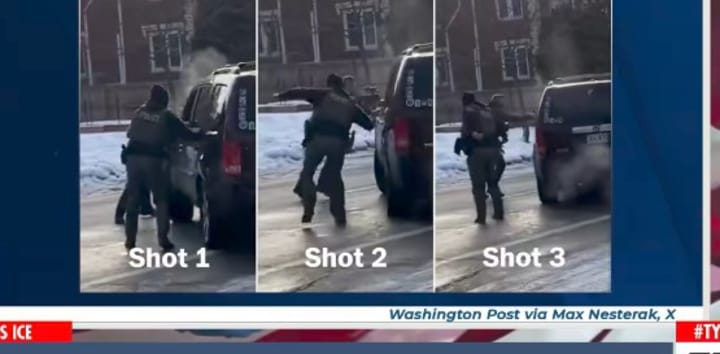
ABC News obtained and verified officer‑angle cellphone video showing the moments before and during the shooting. In the clip, Ms. Good can be heard saying, “That’s fine, dude, I’m not mad at you,” a dog is visible in the back seat; an agent commands, “Get out of the f—— car”; Ms. Good reverses, turns her steering wheel to the right, then moves forward; the filming agent exclaims “Oh!” and gunshots are heard; a voice says “F—— bitch,” and the SUV crashes down the block. [abcnews.go.com]
Minute‑by‑minute video analysis (frame‑by‑frame review and metadata timing) by ABC suggests the shooting sequence and positions of agents relative to the vehicle. USA TODAY and local outlets also published synchronized breakdowns of angles showing the agent near the vehicle’s front‑left when shots are fired. [abcnews.go.com], [usatoday.com]
Additional broadcasts (CBS/KARE/FOX) confirm the officer‑perspective angle initially posted by Alpha News and reshared by national platforms, further fueling the jurisdiction.
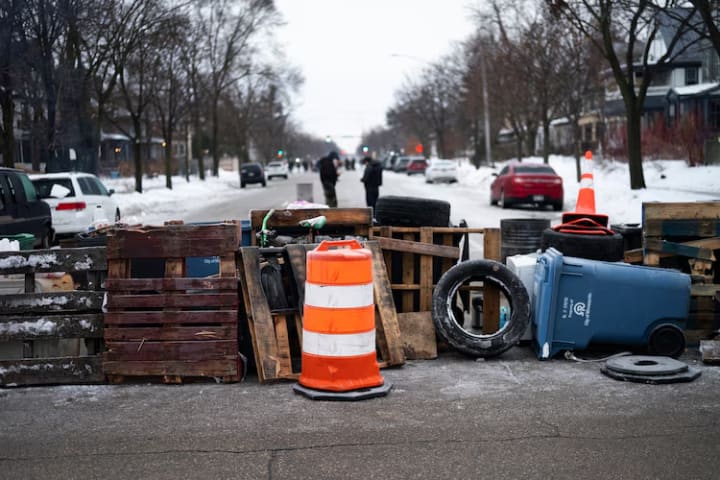
ABC News obtained and verified officer‑angle cellphone video showing the moments before and during the shooting. In the clip, Ms. Good can be heard saying, “That’s fine, dude, I’m not mad at you,” a dog is visible in the back seat; an agent commands, “Get out of the f—— car”; Ms. Good reverses, turns her steering wheel to the right, then moves forward; the filming agent exclaims “Oh!” and gunshots are heard; a voice says “F—— bitch,” and the SUV crashes down the block. [abcnews.go.com]
Minute‑by‑minute video analysis (frame‑by‑frame review and metadata timing) by ABC suggests the shooting sequence and positions of agents relative to the vehicle. USA TODAY and local outlets also published synchronized breakdowns of angles showing the agent near the vehicle’s front‑left when shots are fired. [abcnews.go.com], [usatoday.com]
Additional broadcasts (CBS/KARE/FOX) confirm the officer‑perspective angle initially posted by Alpha News and reshared by national platforms, further fueling the jurisdiction and accountability debate.
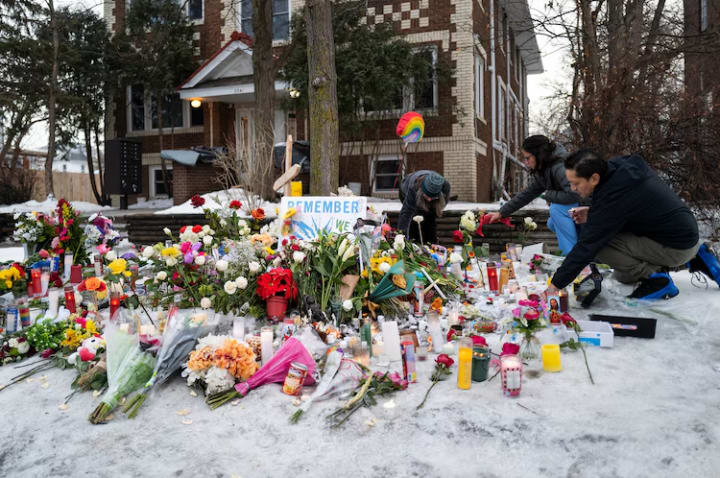
Public Accounts & Immediate Aftermath:
Hennepin County Attorney Mary Moriarty and Minnesota Attorney General Keith Ellison state they have jurisdiction to make charging decisions and have launched a public evidence portal to collect videos/witness statements because the FBI rescinded planned joint participation, retaining exclusive control over crucial evidence (including Ms. Good’s vehicle). [cbsnews.com], [kare11.com]
Local leaders (Mayor Jacob Frey; Gov. Tim Walz) have disputed federal claims of self‑defense and urged state involvement (Minnesota BCA’s Force Investigations Unit), citing public confidence and transparency concerns. [goodmornin...merica.com], [abcnews.go.com]
Renee Good’s wife, Becca, publicly described her spouse’s values and the couple’s presence at the scene as “stopped to support our neighbors… We had whistles. They had guns.” She emphasized the family’s loss and called for accountability. [mprnews.org], [kare11.com]
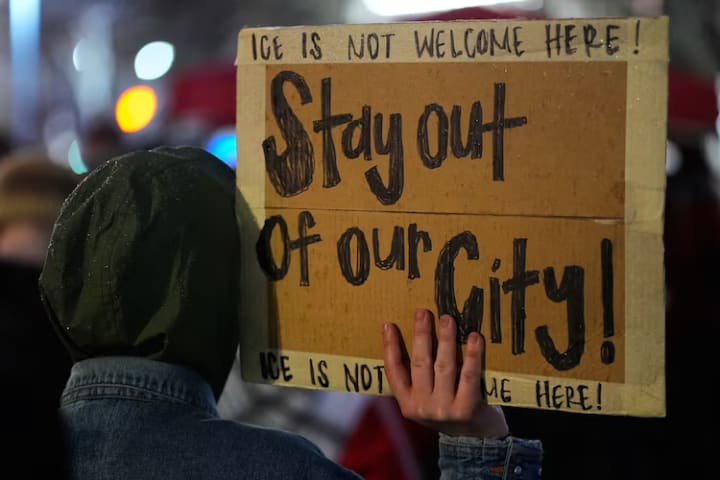
II. The Law: State Authority to Prosecute and Limits on Federal Immunity
A. Hennepin County Has Jurisdiction Over State Crimes Occurring in Minneapolis
Minnesota officials have explicitly stated the county retains authority to assess charges for conduct in Hennepin County, even where a federal agent is the alleged offender. Claims that Minnesota lacks jurisdiction or that federal agents enjoy “absolute immunity” are legally incorrect, according to former federal prosecutors and legal scholars cited by local media. [cbsnews.com], [kare11.com]
B. No “Absolute Immunity” for Federal Officers—Supremacy Clause Is Conditional
Under the Supremacy Clause, federal officers may have immunity only when their actions are authorized by federal law and necessary and proper to the performance of federal duties. Courts have allowed state prosecutions to proceed where questions exist as to the reasonableness or lawfulness of the force used (e.g., Ruby Ridge sniper case allowed to proceed by the Ninth Circuit; early Supreme Court precedent permitting state prosecutions of federal soldiers). Scholars and recent reporting reaffirm that prosecution isn’t easy—but it is possible. [slate.com], [portside.org], [time.com]
C. Evidentiary Posture and Transparency
Because the FBI currently controls key evidence and has limited state access, the Hennepin County Attorney and Minnesota AG have requested public submissions and pursued independent preservation through the BCA, underscoring the necessity of local access to forensics, witness interviews, and full investigative files to make any charging decision credible to the community. [kare11.com], [fox9.com]
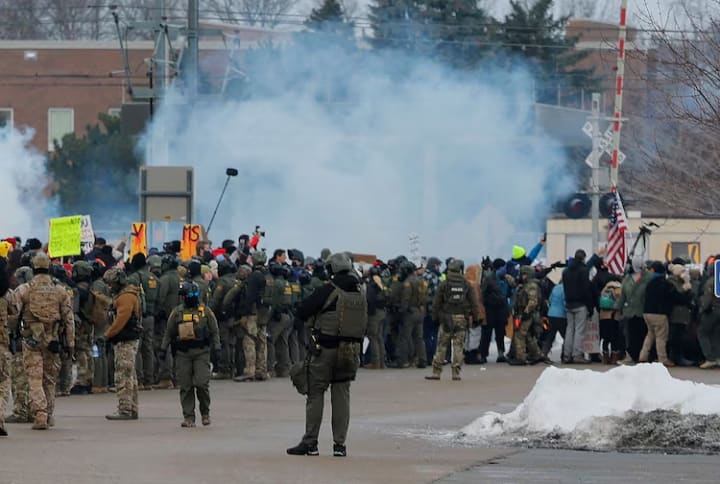
III. Analysis: Use of Deadly Force and Charging Considerations
1) Positioning & Threat Assessment
Videos suggest the shooting occurred as Ms. Good’s front wheels turned right (away from the filming agent). Several frames place the agent near the front‑left of the vehicle—not directly in the vehicle’s oncoming path—raising fact questions about imminent threat and necessity at the instant shots were fired. USA TODAY’s timeline and ABC’s frame review highlight these issues; Minneapolis officials have publicly stated that the agent “was not run over” and that videos appear inconsistent with a self‑defense claim. These are fact determinations appropriate for state investigation and, if warranted, jury evaluation. [usatoday.com], [abcnews.go.com]
2) Tactical Decisions & Best Practices
Experienced law enforcement voices caution against positioning in front of vehicles—a known tactical hazard that can escalate the perceived need to use lethal force. Reported commentary in local coverage emphasizes whether the agent’s positioning contributed to the risk, and whether firing at a moving vehicle met departmental use‑of‑force policy thresholds (i.e., imminent threat of death or serious injury). These questions bear directly on criminal negligence or unreasonable use of deadly force under state law. [abc11.com]
3) Victim Status & Community Impact
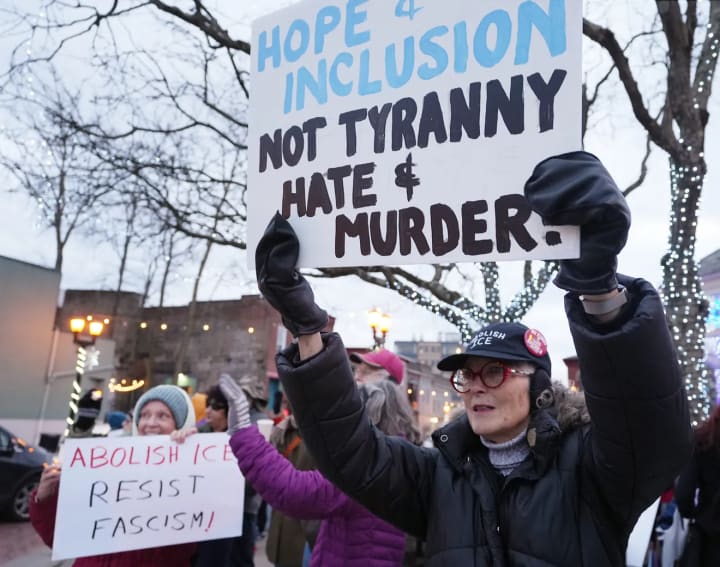
Ms. Good was not the subject of any enforcement target per Minneapolis police preliminary statements; she was described as an observer and community member. The killing ignited public protests, school disruptions, and urgent calls for transparency. The public interest in state involvement is compelling and legally sound given that the homicide occurred within Minneapolis city limits. [abcnews.go.com
IV. Requested Actions
A. Immediate Steps (Evidence & Process)
Assert and memorialize Hennepin County’s prosecutorial authority to charge state crimes arising from this incident; record on the public docket that claims of “absolute immunity” are unfounded pending factual review of necessity and reasonableness. [cbsnews.com], [kare11.com]
Secure and preserve all available videos (bystander, officer, school drop‑off cameras), physical evidence (vehicle, shell casings, trajectory, glass), and audio; if federal agencies maintain possession, issue formal requests and seek court orders to ensure local access/duplication for independent evaluation. [kare11.com], [fox9.com]
Engage the Minnesota BCA’s Force Investigations Unit for standardized protocols, chain‑of‑custody, and transparent reporting to the public consistent with prior high‑profile cases. [goodmornin...merica.com]
B. Charging Considerations (if supported by evidence)
Based on emerging facts, the County should evaluate charges under Minnesota law, including but not limited to:
Second‑degree manslaughter (culpable negligence creating unreasonable risk), or higher homicide charges if evidence shows intentional or extremely reckless use of deadly force without lawful justification. (Statutory citation and exact counts to be set upon full review of evidence and medical examiner findings.)
Assault‑related firearm offenses and official misconduct counts, if applicable.
Rationale: Video timelines and witness accounts raise serious doubts about an imminent deadly threat to the shooting agent at the instant rounds were fired; if the evidence confirms unreasonable force, state charges are both lawful and necessary. [abcnews.go.com], [usatoday.com]
C. Public Communication
Publish a rolling public update protocol (without compromising case integrity), stating: (1) Hennepin County’s authority to prosecute; (2) continued evidence intake and forensic progress; (3) intergovernmental requests to the FBI for full access; (4) anticipated timeline to charging decision. This echoes the County Attorney’s existing messaging and helps maintain trust. [cbsnews.com]
V. Why State Prosecution Matters Here
Rule of Law & Dual Sovereignty: States are not powerless when federal officials commit alleged crimes in their jurisdiction. The Supreme Court and federal appellate precedent confirm that state prosecutions may proceed when federal conduct is unlawful or unreasonable—there is no blanket “absolute immunity.” [slate.com]
Transparency & Community Trust: Minneapolis has lived through consequential use‑of‑force cases; public confidence requires a local, accountable process with access to the full investigative file—not a limited federal summary. [cbsnews.com]
Evidence‑Driven Justice: Multiple videos from distinct vantage points, paired with timeline analyses, justify a meticulous state review. If the evidence supports criminal liability, the County must charge. If not, the County should explain clearly why force met the legal standard—either outcome demands state participation. [abcnews.go.com], [usatoday.com]
Conclusion and Formal Request
We respectfully request that the Hennepin County Attorney:
Affirm jurisdiction and publicly state that federal “absolute immunity” claims are incorrect as a matter of law;
Secure full access to the evidence and conduct a thorough, independent review with the BCA; and
File state charges if the evidence shows that the ICE agent’s use of deadly force was not necessary and proper to any lawful federal duty and violated Minnesota criminal law.
The videos, witness accounts, and official statements already in the public record warrant state involvement and, potentially, prosecution. Renee Nicole Good’s life and her family’s loss demand a trusted investigation and an evidence‑based charging decision in Hennepin County. [abcnews.go.com], [cbsnews.com
A. Minnesota criminal statutes (charging framework & justification)
Second‑degree manslaughter (culpable negligence): Minn. Stat. § 609.205(1) (“culpable negligence whereby the person creates an unreasonable risk…”) (maximum 10 years/$20,000). [revisor.mn.gov], [law.justia.com]
Second‑degree murder (intentional & unintentional variants): Minn. Stat. § 609.19, subds. 1–2 (intent without premeditation; unintentional while committing specified felonies or intentionally inflicting bodily harm). (maximum 40 years). [revisor.mn.gov], [law.justia.com]
Justifiable taking of life (general self‑defense limit): Minn. Stat. § 609.065 (intentional killing is justified only when necessary to resist/prevent an offense exposing the actor or another to great bodily harm or death, or to prevent a felony in the abode). [revisor.mn.gov]
Authorized use of deadly force by peace officers (statutory limits & definition): Minn. Stat. § 609.066 (deadly force defined; discharge “at a vehicle in which another person is believed to be” constitutes deadly force; use permitted only when necessary to protect from apparent death/great bodily harm or narrowly defined arrest/escape scenarios). [revisor.mn.gov]
How to use these in your brief:
In the Charging Considerations section, cite § 609.205 and § 609.19 as the potential counts; in the Analysis section on use of force, quote §§ 609.065 and 609.066 to frame the necessity and reasonableness inquiry and the per‑se characterization of firing at or into a moving vehicle as deadly force. [revisor.mn.gov], [revisor.mn.gov], [revisor.mn.gov], [revisor.mn.gov]
B. State authority to prosecute a federal officer; limits of “absolute immunity”
No blanket immunity; Supremacy Clause immunity is conditional—applies only if the officer’s acts were authorized by federal law and “necessary and proper” to carrying out federal duties:
In re Neagle, 135 U.S. 1 (1890) (recognizes immunity when a federal officer acts under federal authority and necessity; sets the “necessary and proper” standard). [supreme.justia.com], [oyez.org]
Tennessee v. Davis, 100 U.S. 257 (1879) (upholding removal for federal officers and emphasizing federal supremacy; confirms that state prosecutions may be removed but do not vanish unless a colorable federal defense exists). [supreme.justia.com]
Mesa v. California, 489 U.S. 121 (1989) (federal‑officer removal under 28 U.S.C. § 1442 requires an averment of a federal defense; mere on‑duty status is insufficient). [caselaw.findlaw.com], [tile.loc.gov]
Clifton v. Cox, 549 F.2d 722 (9th Cir. 1977) (habeas discharging state murder/manslaughter prosecution of federal BNDD agent only after court found his act was necessary and proper under federal authority—illustrates fact‑bound immunity analysis, not automatic protection). [law.resource.org]
State of Idaho v. Horiuchi, 253 F.3d 359 (9th Cir. 2001) (Ruby Ridge sniper case—Ninth Circuit recognized that state prosecutions of federal officers may proceed where reasonableness/necessity are disputed; later vacated as moot, but the panel underscores the absence of “absolute” immunity and the centrality of reasonableness). [caselaw.findlaw.com], [law.resource.org]
How to use these in your brief:
In Section II (The Law) and the Conclusion, cite Neagle and Mesa to state the governing tests; cite Davis for removal mechanics (and why removal requires a bona fide federal defense); cite Clifton/Horiuchi to show courts allow state prosecutions (or at least do not foreclose them) when necessity/propriety are contested on the facts. [supreme.justia.com], [caselaw.findlaw.com], [supreme.justia.com], [law.resource.org], [caselaw.findlaw.com]
About the Creator
Organic Products
I was born and raised in Chicago but lived all over the Midwest. I am health, safety, and Environmental personnel at the shipyard. PLEASE SUBSCRIBE to my vocal and check out my store
Keep reading
More stories from Organic Products and writers in Writers and other communities.
Writing About Writing: The Rainbow Trap
The good thing about living in modern times is that LGBTQ representation in media is increasing. Not just in niche and Independant media, either, but also in mainstream media. Books, movies, TV shows, comics... they're finally catching on that LGBTQ+ people form a significant part of their audience, and deserve to see themselves on screen and in fiction, not just as victims in documentaries and true crime shows.
By Natasja Rose5 days ago in Writers




Comments
There are no comments for this story
Be the first to respond and start the conversation.