
The Rise of Citizen Journalism
The Death of the Truth on Social Media

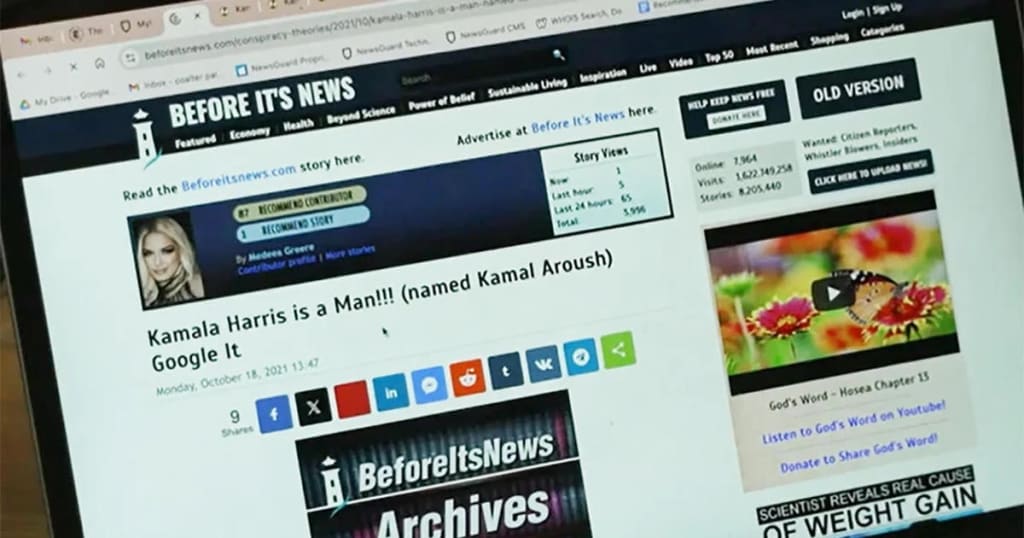
The rise of citizen journalism has reshaped how people consume and share news. With smartphones and social media, individuals can now document events as they unfold, bypassing traditional media channels. Platforms like Before Its News exemplify this shift, enabling anyone to publish and distribute information.
While this democratization of news has amplified diverse voices and perspectives, it has also blurred the lines between fact and fiction. Without the rigorous editorial standards of professional journalism, misinformation can spread unchecked. This duality—empowerment versus accuracy—poses a critical challenge to the integrity of truth in today’s information ecosystem.
What is Citizen Journalism?
Citizen journalism refers to the practice of individuals without formal training in journalism stepping into the role of reporters. Armed with smartphones, social media platforms, and internet access, everyday people capture and share news.
This phenomenon has transformed how information is gathered and disseminated, enabling voices outside traditional media to shape public discourse. While it has empowered individuals, it also raises questions about accuracy and accountability in reporting.
The Appeal of Citizen Journalism
The appeal of citizen journalism lies in its accessibility and immediacy. Anyone with a smartphone can capture real-time events and share them with a global audience. This democratization of news allows people to report on stories that might otherwise go unnoticed by mainstream outlets.
Firsthand Perspectives: Traditional newsrooms can't always be everywhere at once. Citizen journalists often provide raw, unfiltered views from the heart of breaking news.
Underrepresented Stories: Marginalized communities often find their voices amplified through citizen reporting. It shines a light on issues that might be ignored by larger media organizations.
Distrust of Traditional Media: As skepticism toward mainstream outlets grows, individuals turn to citizen journalism for alternative viewpoints. Platforms like Before Its News thrive in this space, offering users the ability to publish their own narratives.
By sidestepping traditional gatekeepers, citizen journalism has given rise to a more participatory form of media. However, this power also comes with responsibilities that are not always upheld.
Historical Examples of Citizen Journalism in Action
Citizen journalism has played a pivotal role in shaping narratives around some of the world’s most significant events. These moments highlight its ability to capture history as it unfolds.
The Arab Spring (2010-2012): Social media became the backbone of reporting during this wave of uprisings across the Middle East and North Africa. Citizen journalists posted videos, tweets, and images documenting protests and government crackdowns, often at great personal risk.
The Green Movement in Iran (2009): After disputed election results, Iranian citizens turned to platforms like Twitter to share footage of protests and government suppression. Mainstream media often cited their content, as many global news outlets had limited access to the ground.
George Floyd Protests (2020): Videos recorded by bystanders shed light on incidents of police brutality, sparking a global conversation about racial injustice and law enforcement practices.
2004 Indian Ocean Tsunami: In the aftermath of this natural disaster, local residents shared photos and videos that filled information gaps left by overwhelmed professional media outlets.
Citizen journalism has proven its ability to report stories that traditional outlets may miss or overlook entirely. However, its unregulated nature also leaves room for misinformation and bias to spread unchecked, complicating the broader media landscape.
The Role of Social Media and Technology
Social media and technological advancements have transformed how information is shared and consumed. Platforms like Facebook, X (formerly Twitter), and YouTube have broken traditional barriers, empowering individuals to share their stories in real-time.
However, with this power comes significant challenges, particularly in ensuring the truth and accuracy of the news being circulated. This section explores the dual impact of social media and technology on citizen journalism.
Real-Time News Dissemination
Social media allows for immediate sharing of news, enabling anyone with a smartphone to become an on-the-ground reporter. This real-time capability has redefined how people access information.
Positive Outcomes: Platforms like X and Instagram have often provided the first glimpse into breaking news. For example, during the 2020 George Floyd protests, videos captured by bystanders became instrumental in exposing systemic issues and sparking global conversations. Similarly, live streams during natural disasters, like the 2004 Indian Ocean Tsunami, allowed the world to witness the unfolding events firsthand.
Negative Consequences: However, this immediacy can lead to misinformation spreading faster than facts can catch up. A recent example is the viral conspiracy theories surrounding the 2024 Trump rally sniper incident. Within hours, social media was flooded with unverified claims, including allegations of government conspiracies. These narratives gained millions of views, showcasing how unchecked information can spiral out of control.
Real-time sharing enables citizen journalists to amplify stories, but it also creates a fertile ground for speculation and sensationalism to thrive.
Challenges of Verification and Fake News
The lack of professional editorial oversight in citizen journalism poses a significant challenge to maintaining truth and accuracy. Unlike professional reporters, most citizen journalists are not bound by strict fact-checking protocols or ethical guidelines.
Unverified Content: Platforms like Before Its News exemplify the risks of unverified reporting. While they provide a space for alternative narratives, they also serve as hubs where conspiracy theories and false information can flourish. For instance, AI-generated content such as deepfake images has blurred the lines between what’s real and fabricated, leaving audiences unsure of what to believe.
Trust Erosion: The growing prevalence of fake news has contributed to widespread distrust in media. People often consume information that aligns with their pre-existing beliefs, creating echo chambers that amplify misinformation. This phenomenon, described by media experts as "the death of truth," underscores the dire consequences of unregulated content spreading online.
The challenge lies in distinguishing credible citizen journalism from content designed to mislead or manipulate.
Platforms' Efforts to Curb Misinformation
In response to the growing issue of fake news, major social media platforms and independent organizations have implemented measures to combat misinformation. These efforts aim to restore trust and ensure accuracy in the digital news ecosystem.
Fact-Checking Initiatives: Tools like NewsGuard rate the credibility of online sources, helping readers identify reliable information. This approach has gained traction as a way to combat the spread of false narratives perpetuated by both citizen and professional journalists.
Algorithm Adjustments: Platforms like Facebook and YouTube have updated their algorithms to limit the reach of unverified content. By prioritizing content from trusted sources, they aim to reduce the visibility of misinformation.
AI and Content Filtering: Advances in AI technology are being used to detect deepfakes and doctored content. Projects like "lie detectors" for visual media are being developed to verify the authenticity of images and videos shared online.
These efforts are steps in the right direction, but the sheer volume of content uploaded every second makes it nearly impossible to monitor everything. The responsibility ultimately falls on users to critically evaluate the information they consume and share.
About the Creator
Anna Wong
Anna studied at Chiang Rai Rajabhat University where she earned a degree in Journalism and Mass Communication in 2004. After graduating Anna worked as a journalist for MCOT Radio broadcasting stations company
How to Empower Your Writing
“The morning pages will teach you to stop judging and just let yourself write. So what if you’re tired, crabby, distracted, stressed? Your artist is a child, and it needs to be fed. Morning pages feed your artist child. So write your morning pages.” ― Julia Cameron
By Chantal Christie Weiss3 days ago in Writers
I Don't Need My Phone... Wait, Is That Actually True?
My parents gave me my first cell phone when I was twelve years old. It wasn't a fancy iPhone or anything, not even close. Just a simple black flip phone for when I needed to call or text them after school.
By Madison "Maddy" Newton2 days ago in Humans



Comments
There are no comments for this story
Be the first to respond and start the conversation.