
China Exit Strategy — Apple vs. Samsung
China Loses Grip as Tech Titans Chart New Territories


In the grand chessboard of global business, tech giants Samsung and Apple are deploying their pieces with calculated precision, plotting a course away from China towards Southeast Asia. This transition, marked by strategic decisions and influential undertones, holds vast implications for the global supply chain of the future.
Samsung’s Groundbreaking Move to Vietnam
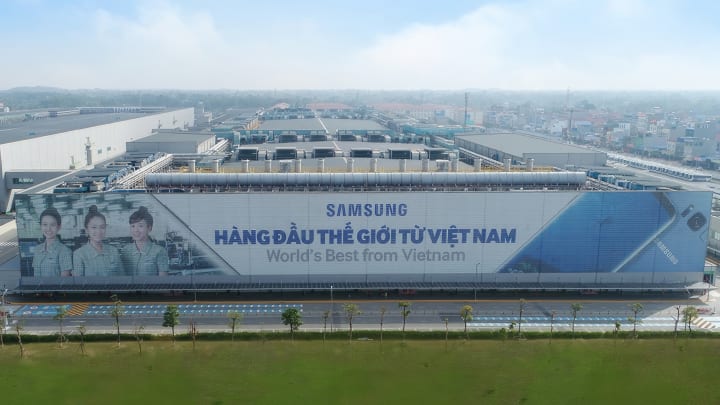
Samsung took a bold step in 2008, establishing a manufacturing foothold in Vietnam’s Bac Ninh region. This move, hailed as visionary, led to significant returns. Samsung insulated itself from increasing labour costs, geopolitical issues, and disruptions in the supply chain — benefits that have shaped its growth trajectory.
Over the next ten years, Samsung’s systematic shift away from China delivered a robust competitive advantage. Navigating around tariffs on Chinese goods and soaring labour costs, the company expanded internationally. Samsung now produces half its smartphones in Vietnam and between 20 to 30% in India, demonstrating the substantial shift in its manufacturing strategy.
Apple’s Strategic Detour Amidst Global Disruptions
As the global pandemic continues to impact businesses and economies around the world, technology giants such as Apple have taken decisive measures to fortify their supply chain dependencies. Echoing a strategic move initially implemented by their industry rival Samsung, Apple has broadened its production footprint. Key to this diversification has been ramping up operations in Vietnam, a rising powerhouse in the electronics manufacturing sector. As some of the Apple Watch and Mac production lines have already been established there. This strategic expansion has been instrumental in building a more robust supply chain, better equipped to navigate the unpredictable landscape posed by global crises.
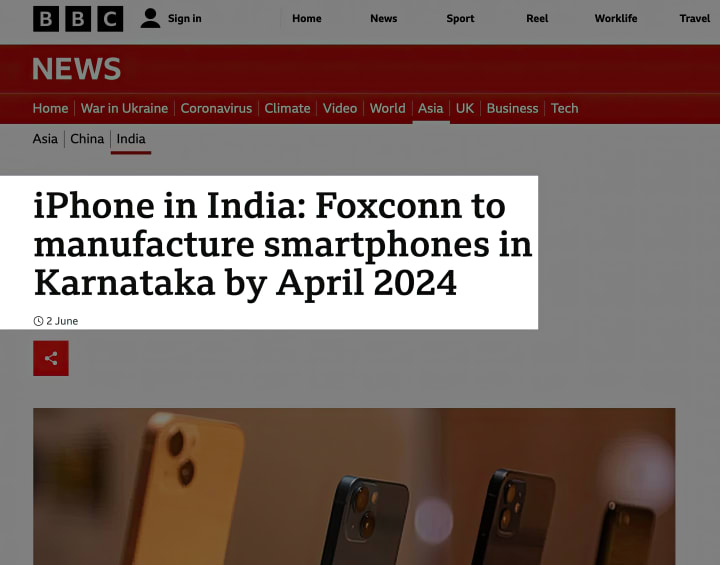
Apple has also significantly amplified its presence in India, a burgeoning market known for its high potential and vast workforce. This move not only provides an alternative production base but also allows Apple to tap into India’s rapidly growing consumer market. The twin strategy of broadening production bases and targeting emergent markets forms the core of Apple’s adaptive response to the pandemic.
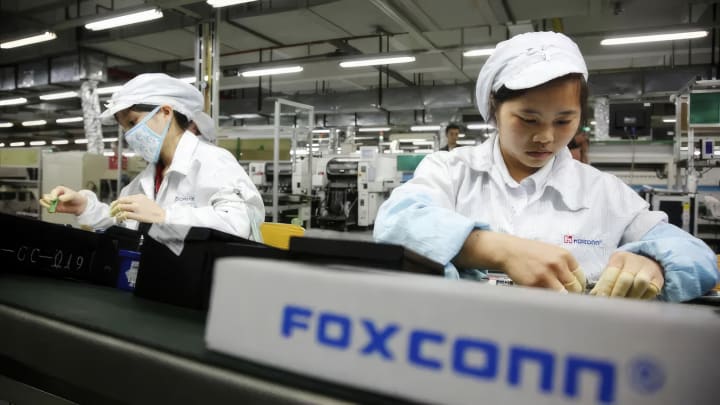
Along with the recent disruptive protests at Foxconn’s Zhengzhou iPhone factory and Apple’s key Guangzhou manufacturing plant. These incident have heightened Apple’s urgency for supply chain diversification, leading to significant production hurdles and revealing vulnerabilities of dependence on a single manufacturing hub. As workers’ grievances and COVID-19 restrictions challenge operations, it’s expected that continued issues could impact Apple’s output significantly during the period of restriction. Amidst these adversities, Apple has initiated a pivotal transition strategy, underscoring the need for decentralised production to mitigate risks and ensure resilience.

India and Vietnam: A Common Solution for Both Parties
Indeed, the tech manufacturing sectors in India and Vietnam have been witnessing rapid growth, largely due to their favourable conditions. For instance, both nations offer lower labour costs compared to traditional manufacturing hubs like China. These cost advantages have been key drivers attracting tech giants like Apple and Samsung to set up manufacturing units in these nations. Additionally, the government in both countries has put forth various incentives, such as tax breaks and subsidies, to promote foreign investments and develop their domestic tech sectors.
Moreover, Apple and Samsung’s strategic decision to expand operations in these countries is aimed at diversifying their supply chains and reducing overreliance on any single market. With geopolitical tensions and global supply chain disruptions, the move seems even more pertinent. Further, expanding operations in India and Vietnam allows these companies to better penetrate the respective domestic markets, tapping into the vast consumer bases that these countries offer. This dynamic shift towards India and Vietnam signifies the emergence of these nations as critical players in the global tech manufacturing landscape, reshaping the future trajectory of the industry.
Exit Challenges
Apple and Samsung have been diversifying their supply chains away from China in recent years, but both companies still rely on certain supplies from the country. This illustrates the complexity of achieving supply chain diversification.
There are a number of factors that make it difficult to diversify supply chains. First, many components are only produced in China, so companies may have no choice but to rely on Chinese suppliers. Second, even if there are alternative suppliers in other countries, they may not be able to meet the same quality or volume requirements. Third, diversifying supply chains can be expensive, as companies need to invest in new manufacturing facilities and relationships.
Despite the challenges, there are a number of reasons why companies are moving to diversify their supply chains. One reason is to reduce risk. By spreading their operations across multiple countries, companies can reduce their exposure to any one market.
Another reason for supply chain diversification is to improve efficiency. By manufacturing products closer to their markets, companies can reduce transportation costs and lead times. This can make their products more competitive and improve customer satisfaction.
The shift to a more diversified supply chain is a complex and ongoing process. However, it is one that is essential for companies that want to reduce risk and improve efficiency.
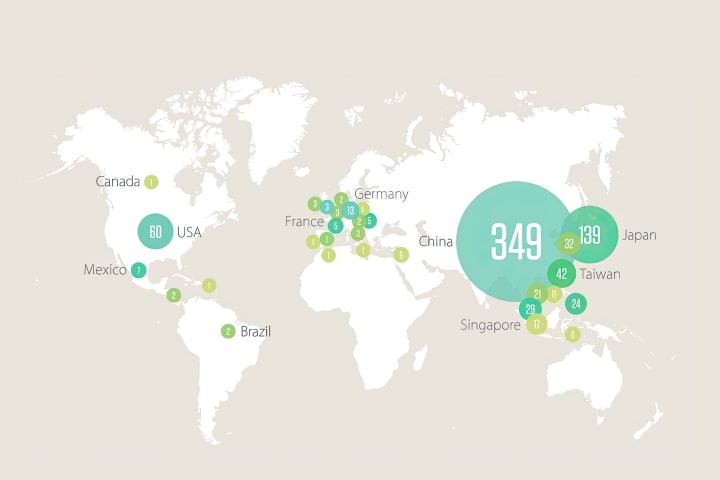
Yet, one can’t help but wonder what the ripple effects of this monumental shift will be. While the future remains uncertain, the burgeoning tech ecosystems in Vietnam and India suggest a new global order.
🇨🇳👋📱
=== === === === === === === === === === === === === ===
Attention to Detail
A comment from @Bonkkered | Apple vs. Samsung’s Strategies to Move Manufacturing Away From China | WSJ
Embracing a forward-thinking perspective, diversifying production sites is viewed as a proactive strategy. However, it is imperative to maintain affordable prices and mitigate potential inflation risks.
About the Creator
zh_auditarian
The bio isn't available at the moment.
Keep reading
More stories from zh_auditarian and writers in 01 and other communities.
Farmer’s Thumbs-Up Emoji Triggers $61,000 Legal Backlash
In the digital age, we often take our everyday emojis for granted. We pepper them throughout our messages without much thought, but a groundbreaking legal case in Canada now compels us to rethink our casual usage of these ubiquitous symbols. Chris Achter, a farmer from Saskatchewan, found himself on the wrong end of a $61,610 verdict due to his nonchalant use of a thumbs-up emoji. This striking case serves as a sobering reminder of the potential repercussions lurking within our seemingly harmless digital interactions.
By zh_auditarian3 years ago in Journal
The Blueprint for Enterprise AI: Integration over Experimentation
Artificial Intelligence in the corporate world is currently transitioning. For the last few years, businesses treated AI as an experiment. Employees used chatbots in isolation to draft emails or summarize notes. The data stayed within the chat window. It did not connect to the company's central systems.
By ViitorCloud Technologies3 days ago in 01
Wikimedia reviews begging approach
Do you ever wonder why some stories or articles you write and publish online get more reader interest than others? I do, and sometimes the reason is obvious, sometimes not. Of course we expect our best work to get the most attention, but sometimes it does not. Sometimes we write about something that gets much more interest than we had anticipated. Why?
By Raymond G. Taylora day ago in 01
Boundless
A geographical map could take you there. To the places I've been, to the sights I've seen, to the landscapes I've climbed. But no compass could point you in the direction of my memories. To the experiences I've lived, to the happiness I've felt, to the wonder I've held so close to my heart.
By Alyssa Mussoabout 4 hours ago in Writers




Comments
There are no comments for this story
Be the first to respond and start the conversation.