
Dog Car Seat
Essential Safety Guide for Travelling with Your Pet
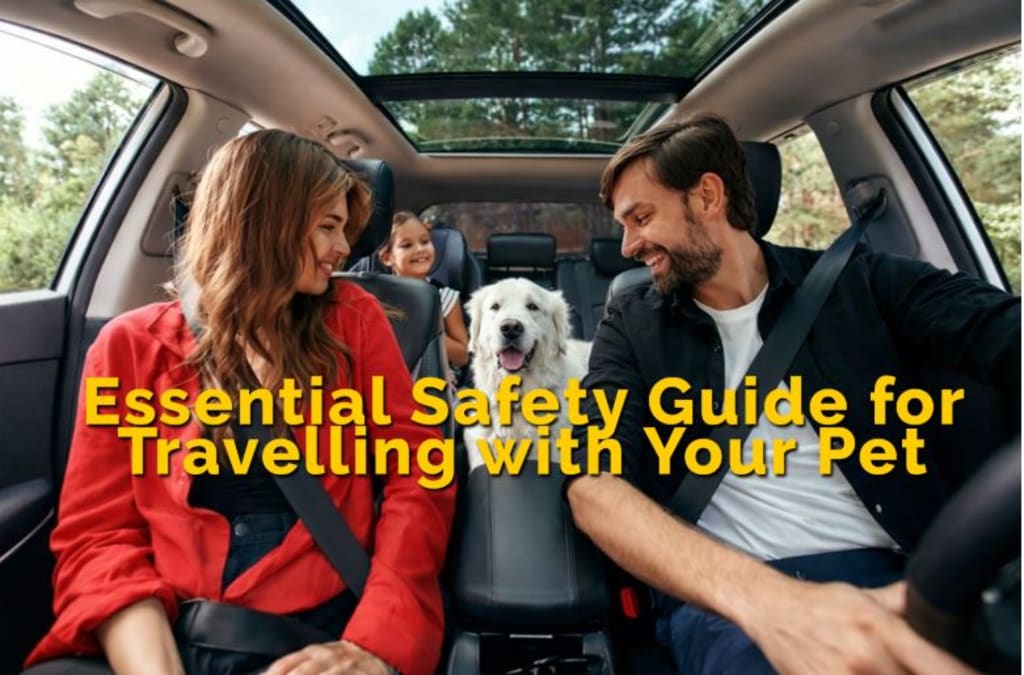
Taking your dog in the car should be safe and comfortable for both of you. A dog car seat keeps your pet secure during travel, reduces distractions whilst driving, and protects your dog from injury in sudden stops or accidents. Many pet owners don't realise that an unrestrained dog can become a dangerous projectile in a crash, putting everyone in the vehicle at risk.
Choosing the right dog car seat depends on your dog's size, your vehicle type, and how often you travel together. Modern dog car seats feature crash-tested designs, waterproof materials, and adjustable restraints. Some models work as booster seats so smaller dogs can see out the window, whilst others focus purely on safety and containment.
This guide will help you understand the safety benefits of dog car seats, explain the different types available, and answer common questions about choosing and using them. You'll learn what features matter most and how to find the best option for your dog's needs.
Dog Car Seat Safety and Benefits
Dog car seats provide critical protection during travel by keeping your pet secured in one place while reducing the risk of injury from sudden stops or accidents. These specialised restraints also help you stay focused on the road instead of managing an active dog.
Importance of Secure Travel for Dogs
An unsecured dog becomes a dangerous projectile during a collision or hard brake. A 27 kg dog can generate over 1,100 kg of force in a crash at just 48 km/h. This poses a serious threat not only to your pet but also to other passengers in the vehicle.
Dog car seats designed for safety keep your pet confined to a specific area with harnesses or restraints. This prevents them from being thrown forwards through the windscreen or into the dashboard. The secure positioning also protects your dog from injuries caused by impact with hard surfaces inside the vehicle.
Proper restraint systems distribute crash forces across your dog's body more evenly than a standard lead attached to a collar. Many dog car seats include padded sides that provide additional cushioning during sudden movements. The elevated design of booster seats also prevents smaller dogs from sliding onto the floor during sharp turns or emergency stops.
Reducing Driver Distraction
Distracted driving caused by pets creates significant hazards on the road. An unrestrained dog may jump onto your lap, block your view of mirrors, or interfere with gear changes and pedal operation. These interruptions can lead to accidents within seconds.
Dog car seats eliminate these risks by keeping your pet in a designated space. Your dog cannot climb between seats or demand attention whilst you're navigating traffic. The security provided by a proper restraint system means you can concentrate fully on driving conditions.
Many dogs feel calmer when secured in their own space rather than moving freely around the vehicle. This reduces barking, whining, and other behaviours that take your attention away from the road. The confined area creates a den-like environment that many dogs find comforting during journeys.
Crash-Tested Dog Car Seats and Safety Standards
Not all dog car seats offer equal protection. Crash-tested products have undergone rigorous evaluation to verify their performance during collisions. The Center for Pet Safety conducts independent testing to assess how well restraints protect dogs in simulated crashes.
Look for dog car seats that specify crash-test results and weight limits. Products tested at speeds of 48-56 km/h provide more reliable data than those with vague safety claims. The attachment method matters significantly—seats that are secure to both the vehicle's seatbelt and the ISOFIX points offer superior stability.
Key features of crash-tested dog car seats:
- Reinforced tethers that connect to multiple anchor points
- Padded chest harnesses that distribute impact forces
- Sturdy base construction that maintains integrity during crashes
- Weight-specific designs matched to your dog's size
Verify that the manufacturer provides clear installation instructions and weight capacity guidelines. A properly fitted dog car seat significantly reduces the risk of serious injury compared to makeshift restraint solutions.
Types and Features of Dog Car Seats:
Dog car seats come in several styles designed for different sizes, needs, and travel preferences. Booster seats provide elevation for smaller dogs, whilst luxury options offer premium comfort and convertible designs work both in cars and at home.
Elevated Booster Seats for Dogs: Enhancing Your Pet's Travel Comfort and Safety
If you're looking to improve your pet's travel experience, an elevated dog booster seat is the perfect solution. These specially designed seats lift your dog to window height, allowing them to enjoy a better view of the outside world during car rides. This not only makes the journey more enjoyable for your dog but also helps prevent motion sickness by keeping them engaged in the sights around them.
Dog booster car seats are engineered to securely attach to your vehicle's seat, typically using adjustable straps or clips that connect to the seatbelt system. This ensures a safe and stable fit, preventing any wobbling or movement while driving.
Many of the best elevated dog car seats come with a built-in tether, which clips directly to your dog’s harness. This added safety feature keeps your dog secure and prevents them from jumping around in the car, while still allowing them the freedom to sit, stand, or lie down comfortably. The elevated position not only provides a more enjoyable experience for your dog but also offers them a higher vantage point to watch the world pass by.
When selecting a dog booster seat, ensure you choose a model with sturdy sides and a non-slip base. This will help keep the seat firmly in place, reducing the risk of it shifting during the ride. A secure fit is crucial for your dog's safety—loose booster seats can cause distractions and lead to accidents. Additionally, look for seats with washable covers and sufficient padding for comfort, especially if you’re planning long trips.
These elevated booster seats are ideal for calm dogs who enjoy looking out the window during car travel. However, they may not be suitable for anxious dogs who may attempt to jump out, as the elevated position could provoke nervous behavior.
Dog Car Seats for Small Dogs and Puppies
A small dog car seat provides essential safety for toy and small breeds weighing up to 10 kilograms. These car seats for small dogs often combine booster functionality with protective sides that create a cosy space.
Key features to look for:
- Adjustable straps that fit different vehicle seats
- Internal tether compatible with harnesses
- Padded sides for comfort and protection
- Washable, removable covers
A puppy car seat helps train young dogs to travel safely from an early age. Choose one with extra padding since puppies often sleep during car rides. The seat should be stable enough that your puppy can't tip it over when moving around.
Car seat for small dogs typically mount on rear seats, though some fit in the front passenger area. Make sure the seat you choose doesn't interfere with airbags or seatbelt mechanisms. The Mixjoy dog car seat is a popular option that includes storage pockets for treats and toys.
Convertible and Luxury Dog Car Seats
Luxury dog car seats offer premium materials and versatile designs. These seats often convert into dog car beds you can use at home or in hotels whilst travelling.
The Sleepypod Mobile Pet Bed stands out as a convertible option that functions as both a car seat and a comfortable bed. It's crash-tested and provides excellent protection whilst maintaining a stylish appearance. Luxury models typically feature memory foam padding, breathable fabrics, and reinforced safety straps.
Convertible designs save space since you don't need separate car seats and travel beds. Your dog also benefits from having a familiar sleeping space whether you're driving or staying somewhere new.
These premium options cost more than basic seats but last longer. They're worth considering if you travel frequently with your dog or want maximum comfort and safety. Look for models with removable, machine-washable covers to maintain hygiene.
Dog Car Seat Covers and Accessories
Dog car seat covers protect your vehicle's upholstery from dirt, hair, and scratches. These covers fit over your existing seats and stay in place with straps or clips.
You can choose from several types:
- Bench covers protect the entire back seat
- Bucket covers fit individual seats
- Hammock-style covers create a barrier between front and back seats
- Boot liners protect cargo areas
Most dog car seat covers use waterproof materials that wipe clean easily. Look for non-slip backing to prevent the cover from sliding around during journeys. Quilted or padded covers add comfort for your dog whilst providing extra protection for your seats.
Some covers include side flaps that protect door panels from scratches. Others feature openings that allow you to use seatbelts normally or access child seat anchors. Choose a cover compatible with your stable dog car seat so both work together properly.
Machine-washable covers make maintenance simple. Keep a spare cover available so you always have a clean one ready whilst the other is being washed.
Frequently Asked Questions
Dog car seats raise many questions about safety standards, proper sizing, and legal obligations. Understanding installation methods and travel duration limits helps you make informed choices for your pet's protection.
1. How can I ensure my dog's safety whilst travelling in a car?
Use a crash-tested dog car seat that secures properly to your vehicle's seat belt system or ISOFIX points. The seat should include a harness attachment that connects to your dog's harness, not their collar, to prevent neck injuries during sudden stops.
Position your dog in the back seat rather than the front passenger seat. This keeps them away from airbags and provides better protection in a collision.
Take breaks every 2-3 hours on longer journeys to let your dog stretch and use the toilet. Never leave your dog unrestrained, as an unrestrained 10kg dog can be thrown forward with a force of 500kg in a crash at just 50mph.
2. What are the key features to look for when choosing a car seat for my pet?
Safety features include reinforced sides, sturdy base construction, and secure attachment points that won't fail during impact. Look for seats with built-in tether systems that connect to your dog's harness.
The seat should have a washable, waterproof cover to handle accidents and muddy paws. Non-slip bases prevent the seat from sliding across your vehicle's upholstery during turns or stops.
Built-in storage pockets for treats, toys, or waste bags add convenience to your travels. Some seats include adjustable straps that fit multiple vehicle types and raised edges that prevent your dog from jumping out.
3. What is the appropriate size of a car seat for different dog breeds?
Measure your dog from the base of their tail to the top of their shoulders whilst they sit naturally. The car seat should allow your dog to sit, stand, and turn around comfortably without feeling cramped.
Small breeds under 7kg typically need seats with dimensions around 40cm x 30cm. Medium dogs between 7-15kg require seats measuring approximately 50cm x 40cm.
Large breeds over 15kg need specially designed seats or travel crates that accommodate their size. Different breeds require different approaches based on weight and body structure.
4. Are there any legal requirements for transporting dogs in vehicles?
UK law requires that dogs are suitably restrained whilst travelling in vehicles under Rule 57 of the Highway Code. You can face fines up to £5,000 and invalidate your insurance if your unrestrained dog causes an accident or distracts you whilst driving.
The law doesn't specify exactly how you must restrain your dog. Acceptable methods include dog car seats with harnesses, travel crates, or dog guards that separate the boot area from passengers.
Police can issue fixed penalty notices of £100 if they deem your dog isn't properly secured. Legal requirements focus on safety rather than mandating specific products.
5. How to Properly Install a Dog Car Seat in Your Vehicle
Installing a dog car seat securely is essential to ensure both safety and comfort for your pet during travel. To begin, place the booster seat on your vehicle’s back seat, aligning it with the seat where it will be anchored. Next, carefully thread the seat belt through the designated loops on the dog car seat. Pull the seat belt tight and click it securely into the buckle, ensuring the seat stays firmly in place.
Once the seat is fastened, double-check that it is flat against the vehicle’s seat, without any wobbling or tilting. This step is crucial to prevent distractions or instability while driving. Many dog car seats feature adjustable straps that can either wrap around the headrest or connect to the ISOFIX points, providing extra stability during the ride.
Before setting off, secure your dog's harness to the tether system of the car seat. The tether should be short enough to prevent your dog from jumping into the front seats, yet long enough to allow your pet to comfortably sit, stand, or lie down during the trip.
6. Can Dog Car Seats Be Used for Long Road Trips, or Are They Just for Short Drives?
A dog car seat is suitable for both short trips and long road journeys, provided you select the right size and type for your pet. For long trips, it’s important that the seat allows your dog enough space to move and shift positions, reducing the risk of discomfort and stiffness. Look for booster seats that offer padding and breathable materials, which will ensure comfort even during extended travel times.
To make longer drives more enjoyable for your pet, consider placing a familiar blanket or favorite toy inside the seat. Taking regular breaks every two to three hours will give your dog the chance to hydrate, stretch, and relieve themselves, making the journey smoother for both of you.
During summer trips, it’s essential to choose a dog car seat with ventilated, breathable fabrics to help avoid overheating. If your dog feels more comfortable in a travel crate for journeys over three hours, this is another good option. Travel crates provide more room for your dog to lie down fully and enjoy a more relaxed ride.
About the Creator
Backlinks Cart
Mohsin (CEO BacklinksCart Agency).
Check Our Agency Backlinks Platfrom " Backlinkscart.com"
For any edits or link insertions. Whatsapp" +92 309-1821105"
Gmail: [email protected]
Keep reading
More stories from Backlinks Cart and writers in 01 and other communities.
Tamildhooms.com in the Context of Tamil Digital Media: A Deep and Critical Examination
Introduction: Digital Disruption and the Reinvention of Regional Media The transition from traditional media to digital platforms has fundamentally restructured global entertainment systems. What was once a linear value chain — production, theatrical release, satellite broadcasting, home media — has evolved into a dynamic, multi-layered digital ecosystem. Regional industries, including Tamil cinema, have experienced particularly rapid transformation due to strong diaspora demand and high digital adoption rates.
By Backlinks Cart4 days ago in 01
Enterprise Carpool Solution by Mobility Infotech Aims to Transform Corporate Travel Cost Management
In today’s competitive business environment, corporate travel is no longer just an operational necessity - it is a strategic cost center. Rising fuel prices, increasing urban congestion, sustainability mandates, and employee expectations for flexible commuting have compelled enterprises to rethink how they manage workforce mobility. Addressing this challenge head-on, Mobility Infotech has launched its Enterprise Carpool Solution, a comprehensive, technology-driven platform designed to transform corporate travel cost management while improving employee experience.
By Patricia Brown4 days ago in 01
Beyond the Pin Drop: What "Location Accuracy" Really Means in Urban Canyons & Rural Areas
You open your family map app and see your child's location pin. In a wide-open park, it's a precise dot. In downtown Manhattan, it's a blurry circle a block wide. Out on a rural hiking trail, it might not update at all.
By Olivia Martinez3 days ago in 01



Comments
There are no comments for this story
Be the first to respond and start the conversation.