
How to Start Stone Crusher Plant to Supply Aggregates for Road Projects
Essential Guide to Setting Up a Stone Crusher Plant for Road Aggregates, Covering Costs, Equipment, and Operational Planning

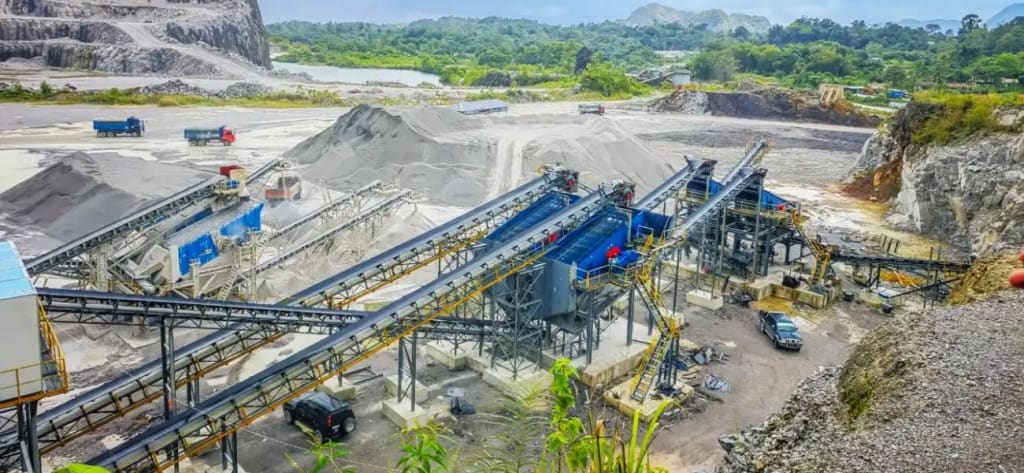
The construction of roads and highways requires a steady supply of high-quality aggregates. These materials, including crushed stone, gravel, and sand, form the backbone of durable pavement and sub-base layers. Establishing a stone crusher plant specifically to supply aggregates for road projects can be a profitable business, but it requires careful planning, investment, and knowledge of industry standards. One of the first considerations for entrepreneurs is the stone crushing plant cost, which depends on equipment, capacity, location, and operational setup. Get to know more details about how to start stone crusher plant for the following sections.
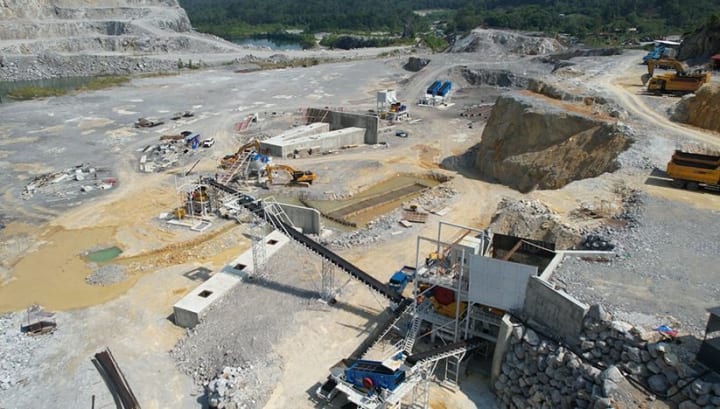
Understanding the Purpose of a Stone Crusher Plant
A stone crusher plant is a facility where large rocks and boulders are broken down into smaller aggregates suitable for construction. For road projects, the quality and size of aggregates are critical because they directly affect the pavement's strength, load-bearing capacity, and durability.
When setting up a stone crusher plant for road projects, it is important to understand the type of aggregates required. Typically, road construction uses different grades of crushed stone: coarse aggregates for base layers, finer aggregates for asphalt mixing, and sometimes specific sizes for concrete applications. The plant must be equipped to produce these sizes consistently to meet project specifications.
High-quality aggregates also ensure compliance with standards set by local road authorities. Consistent quality reduces maintenance costs for the road, extends its service life, and enhances safety. Therefore, investing in precise and reliable crushing equipment is essential, directly impacting the overall stone crushing plant cost.
Key Factors Influencing Stone Crushing Plant Cost
Equipment Selection: The type of crusher, screening system, conveyors, and feeders significantly influence the stone crushing plant cost. Jaw crushers, impact crushers, cone crushers, and vibrating screens are commonly used in road aggregate production. Each has different capacities, wear costs, and maintenance requirements.
Plant Capacity: Production capacity is another key factor. Small plants producing 30–50 tons per hour cost less, while large plants with capacities of 100–200 tons per hour or more require a higher investment but support large-scale road projects. Higher capacity ensures timely supply for multiple projects, which can increase revenue.
Automation and Control Systems: Modern crushing plants often include PLC-based control systems that automate feeding, crushing, and screening. Automation improves production efficiency and ensures uniform aggregate quality. However, these systems add to the initial stone crushing plant cost.
Location and Infrastructure: Setting up the plant close to road project sites reduces transportation costs but may require additional investment in land, access roads, power, and water. Urban areas may have higher land costs, while rural areas may require more infrastructure development.
Environmental Compliance: Dust suppression, noise control, and wastewater management systems are necessary for regulatory compliance. While adding to setup costs, these measures are essential to avoid legal issues and maintain a good reputation in the construction industry.
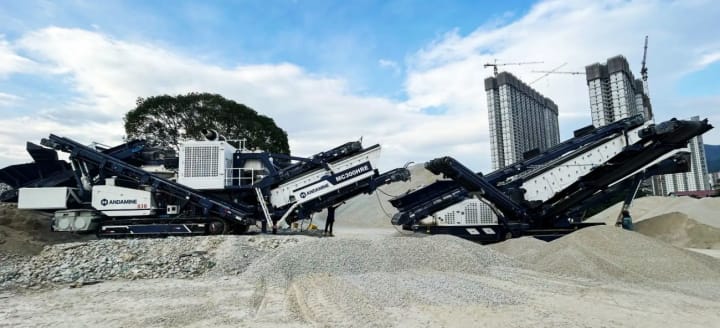
Steps to Start a Stone Crusher Plant for Road Aggregates
Market Research and Feasibility Study: Before investing, analyze the demand for aggregates in your target area. Identify ongoing and upcoming road projects, and assess competitor supply. This helps estimate production requirements and potential revenue, informing decisions on plant capacity and location.
Choosing the Right Location: A strategic location minimizes transportation costs and ensures timely delivery to road construction sites. Consider proximity to raw material sources such as quarries or riverbeds, availability of utilities, and accessibility for transport vehicles.
Selecting Equipment: Choose crushers, screens, and conveyors based on the required production capacity and aggregate specifications. For road projects, the plant must produce multiple aggregate sizes consistently. Evaluate equipment suppliers, warranties, and after-sales support to minimize downtime and maintenance costs.
Calculating Stone Crushing Plant Cost: Prepare a detailed budget covering equipment, installation, land acquisition, infrastructure, labor, and environmental compliance. Consider both initial capital expenditure and ongoing operational costs. Accurate cost estimation ensures sustainable operations and avoids financial strain.
Plant Setup and Commissioning: Once equipment is procured, plan the layout for efficient workflow from raw material feeding to finished aggregate stockpiles. Proper installation, calibration, and testing are critical to ensure consistent aggregate quality for road construction.
Operations and Quality Control: Implement standard operating procedures for production, safety, and maintenance. Conduct regular testing of aggregate properties, including size, grading, and compressive strength, to meet road project specifications.
Marketing and Supply Contracts: Establish relationships with local road contractors and government agencies. Long-term supply contracts for multiple road projects help secure steady revenue and justify the investment in a larger plant.
Benefits of Starting a Stone Crusher Plant for Road Projects
High Demand: Road construction is continuous in many regions, providing a steady demand for aggregates.
Profit Potential: With proper planning and consistent supply, the plant can generate substantial returns, especially for high-volume projects.
Flexibility: Plants can be adjusted to produce various aggregate sizes for different construction applications.
Sustainability: By using precise crushing and screening equipment, waste is minimized, and material usage is optimized.
Conclusion
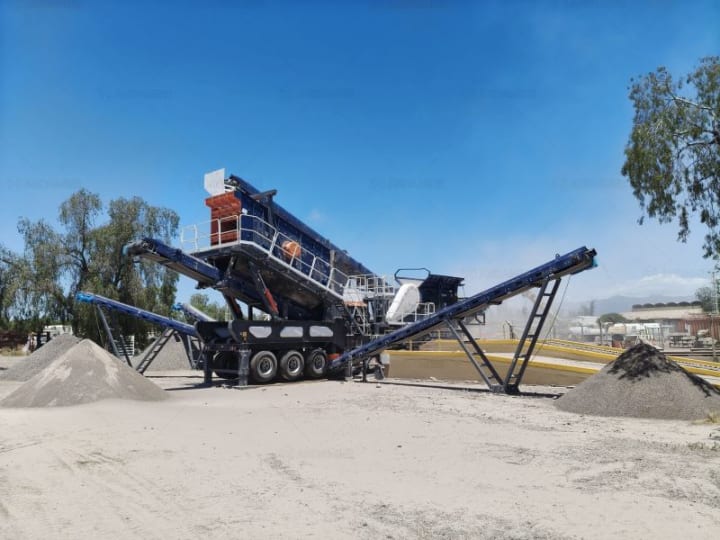
Starting a stone crusher plant to supply aggregates for road projects requires strategic planning, market understanding, and investment in quality equipment. The stone crushing plant cost depends on plant capacity, equipment type, automation level, location, and environmental compliance. Properly planned plants can ensure timely delivery of high-quality aggregates, reduce operational inefficiencies, and support long-term profitability.
By carefully analyzing market demand, selecting the right location, and investing in reliable equipment, entrepreneurs can establish a successful stone crushing business that supports road infrastructure development while providing sustainable returns.
About the Creator
Andamine
Andamine is dedicated to offering customized crushing equipment solutions tailored to meet the diverse needs of our clients’ projects, helping you achieve efficient, sustainable, and cost-effective production goals.
How POS Software Development Is Transforming Retail Businesses in 2026
Retail in 2026 looks dramatically different from what it did just a few years ago. The shift toward digital-first shopping experiences, omnichannel sales strategies, and data-driven decision-making has reshaped the industry. At the center of this transformation is POS software development.
By shane cornerusa day ago in 01
From Misconfigurations to Data Exposure: Web App Risks in Healthcare
Introduction Healthcare organizations increasingly rely on web applications to power patient portals, telemedicine platforms, electronic health record access, appointment scheduling, billing, and third-party integrations. These applications improve care delivery and operational efficiency, but they also introduce significant security risk.
By Sam Bishop3 days ago in 01
📢 Raise Your Voice Thread: 02/05/2026
Our “Raise Your Voice Threads” are hosted most alternating Thursdays at 12PM ET to offer creators more avenues to uncover exceptional stories on Vocal. As we are continuously searching for fresh creators and inspiring stories, this thread provides an opportunity to exchange and discuss the stories that have moved and motivated us on Vocal.
By Raise Your Voice by Vocal7 days ago in Resources



Comments
There are no comments for this story
Be the first to respond and start the conversation.