
iPhone 17 Pro Max Four Months Later
Real World Scratches, Record Sales, And The Truth About Apple’s Aluminum Gamble

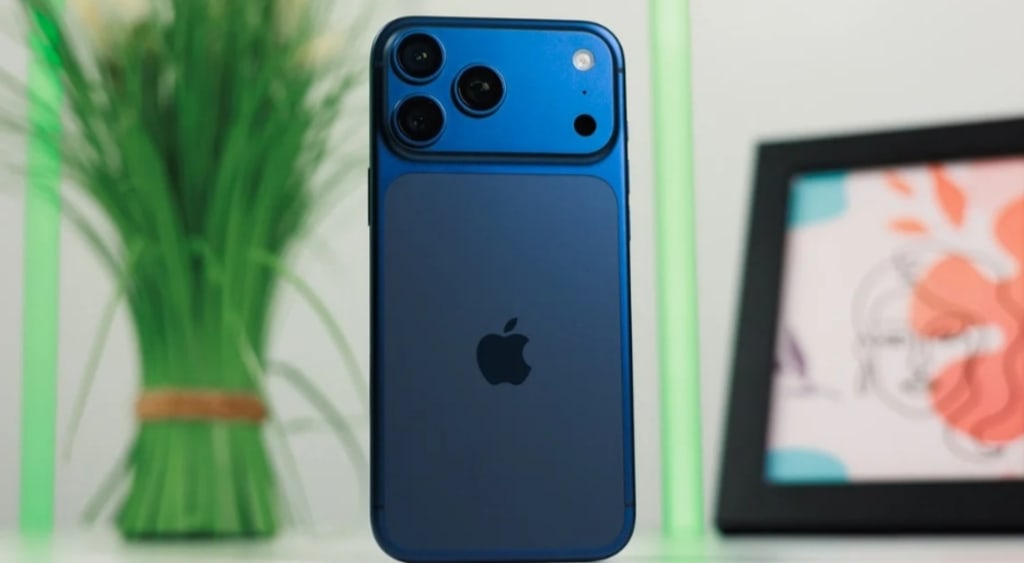
Four months have passed since the iPhone 17 Pro Max landed in customers’ hands, and the excitement of launch day has finally settled into real-world experience. In that time, the phone has proven one undeniable fact: it’s a commercial powerhouse. Apple has once again managed to dominate the premium smartphone conversation, pushing record sales numbers and reinforcing its brand loyalty.
But beyond the headlines and early reviews, the real story begins after months of daily use. And now, with scratches forming and frames showing wear, the aluminum design of the iPhone 17 Pro Max is sparking a new kind of discussion.
A Massive Commercial Success
There’s no question that Apple struck gold with this release. Like previous flagship launches from Apple, the iPhone 17 Pro Max generated massive preorders and long waiting lists. The redesigned body, improved battery life, and enhanced 4X telephoto lens gave consumers strong reasons to upgrade.
The new “camera plateau” design—more integrated and less visually jarring than older bumps—helped refresh the device’s appearance. It feels modern. Refined. Confident.
Battery life has also impressed users. In everyday testing, the phone consistently delivers longer screen-on time than its predecessor. Heavy users report comfortably getting through a full day without reaching for a charger, something that matters more than ever in 2026’s always-connected world.
The upgraded 4X telephoto camera has also proven to be more than marketing hype. Zoom shots appear sharper, more detailed, and more usable in low light compared to previous generations. For content creators, travelers, and everyday users who want DSLR-like reach in their pocket, this improvement alone feels worth the upgrade.
But design choices often come with consequences.
The Aluminum Shift
One of the boldest moves Apple made with the iPhone 17 Pro Max was switching to an aluminum body for the Pro Max model. Aluminum is lighter than stainless steel and generally offers better thermal efficiency. On paper, it sounds like a smart engineering decision.
And in practice, there are real benefits.
Better Thermal Performance
After four months of usage, one thing is clear: the phone runs cooler under heavy workloads. Extended gaming sessions, 4K video recording, and multitasking produce less noticeable heat buildup compared to previous Pro Max models.
Thermal efficiency affects more than comfort. It can influence sustained performance. When a device overheats, processors throttle to reduce temperature. With the aluminum frame dissipating heat more efficiently, performance feels more stable during long sessions of demanding tasks.
For gamers and video creators, this is not a minor advantage—it’s a meaningful upgrade.
But thermal benefits come with a visible downside.
The Scratches Are Real
Four months into daily life—pockets, desks, car holders, gym benches—the aluminum frame tells a story. Small dents. Fine scratches. Edges that no longer look factory-fresh.
Users who chose the blue and orange color options report that wear is more noticeable on these finishes. The contrast between the anodized coating and exposed metal makes scratches stand out under certain lighting.
Carrying the phone without a case, which many users prefer to fully enjoy its design, increases the likelihood of cosmetic damage. Aluminum, while durable and lightweight, is softer than stainless steel. It simply shows wear more easily.
This isn’t structural damage. The phone remains strong and functional. But visually, the “premium” look can fade faster than some expected.
And that creates a difficult question.
Premium Feel vs Practical Reality
For years, Apple’s Pro Max line emphasized polished stainless steel as part of its premium identity. Stainless steel resisted visible scratches better, though it added weight and sometimes trapped heat.
Now, the iPhone 17 Pro Max feels lighter in the hand—something most users appreciate immediately. Long calls, video watching, and gaming sessions are more comfortable. The phone feels less top-heavy.
But after months of use, some owners wonder whether the lighter feel was worth the cosmetic trade-off.
If you use a case, the issue is almost irrelevant. The frame remains protected, and you benefit from improved thermals without worrying about scratches.
If you go caseless, however, you’re making a conscious choice: beauty today, character tomorrow.
The Camera Plateau Design
Another major design change—the camera plateau—has aged well. Initially controversial, it now feels normal. The flatter, integrated camera area reduces wobble on flat surfaces and looks more cohesive.
Four months later, few users complain about it. In fact, most have stopped noticing it entirely.
Combined with the stronger battery life and improved zoom capabilities, the overall experience remains undeniably high-end.
Should You Be Concerned?
The answer depends on your priorities.
If you value pristine aesthetics over time and plan to use the phone without a case, the aluminum frame may disappoint you. Visible wear will happen. Not “if.” When.
If you prioritize lighter weight, cooler performance, and everyday usability, the trade-off might feel entirely reasonable.
From a performance standpoint, the phone holds up exceptionally well after four months. Battery health remains stable for most users. The processor continues to deliver fast app launches and smooth multitasking. The 4X telephoto camera remains a standout feature.
The scratches are cosmetic—not functional.
But perception matters in premium devices.
The Real-Time Verdict
Four months later, the iPhone 17 Pro Max proves that Apple made a calculated gamble. The aluminum body delivers measurable benefits in weight and heat management. At the same time, it introduces faster cosmetic wear, especially for caseless users.
Is it a unanimous win? No.
Is it a failure? Absolutely not.
It’s a trade-off.
And like many of Apple’s design decisions, it depends on what you value more: durability of appearance or performance efficiency.
For many buyers, record sales show that the balance was acceptable. For others, the scratches are a reminder that engineering improvements often come with visible compromises.
In real-world use, the iPhone 17 Pro Max remains powerful, reliable, and impressive. But four months later, it also looks lived-in.
And maybe that’s the most honest reflection of modern premium tech: perfection at launch, personality over time.
About the Creator
USA daily update
News, Politics, Technology Updates
Keep reading
More stories from USA daily update and writers in 01 and other communities.
📱 Samsung Galaxy S26 Ultra release date, Official & Rumored Release Timeline
🗓 Official Unpacked Event & Announcement The most reliable global reports agree that Samsung scheduled its Galaxy Unpacked event for February 25, 2026. This event, hosted in San Francisco, was confirmed by Samsung and widely covered across tech media outlets.
By USA daily update about 14 hours ago in 01




Comments
There are no comments for this story
Be the first to respond and start the conversation.