
Japan Energy Management Software Market: Size, Share and Demand Outlook
How Renewable Energy Integration, Government Policies, and Cost Optimization Demands Are Accelerating Japan's Energy Management Software Sector


Market Overview
Energy management software represents a critical technological solution that enables organizations and utilities to monitor, control, and optimize energy consumption across operational environments. These sophisticated IT platforms provide real-time monitoring, advanced analytics, and predictive intelligence to help businesses and utilities manage energy resources efficiently. Energy management software integrates with existing infrastructure systems, renewable energy installations, and smart grid technologies to facilitate comprehensive energy optimization. In Japan's context, energy management software has become indispensable as the nation pursues its ambitious carbon neutrality targets and transitions toward renewable energy sources. The software enables utilities, industries, commercial enterprises, and residential consumers to balance intermittent renewable generation, minimize waste, and optimize energy procurement and distribution strategies.
The Japan energy management software market size reached USD 3,242.5 Million in 2025, reflecting substantial demand driven by renewable energy expansion, stringent government policies, and businesses' focus on cost optimization. Looking ahead, the market is projected to reach USD 9,304.3 Million by 2034, exhibiting a robust growth rate (CAGR) of 12.43% during 2026-2034. This exceptional expansion is supported by the heightened usage of renewable energy sources including solar, wind, and hydropower, implementation of favorable and stringent regulatory policies, and organizations' increasing reliance on energy management solutions for operational efficiency. Market growth is being propelled by investments in renewable energy infrastructure, carbon neutrality commitments, demand for cost optimization across industrial sectors, and the transition toward intelligent energy systems that minimize energy consumption and carbon emissions.
Request PDF Sample for more detailed market insights:
Role of Innovation in Market Development
• Advanced Analytics and Artificial Intelligence Integration
Innovation is revolutionizing energy management software through integration of advanced analytics and artificial intelligence technologies. AI-powered platforms enable predictive forecasting of energy consumption patterns, renewable generation, and demand fluctuations with unprecedented accuracy. Machine learning algorithms continuously improve prediction models by analyzing historical data and real-time operational patterns, enabling more informed energy procurement and dispatch decisions. AI-driven anomaly detection identifies inefficiencies and equipment malfunctions before they impact operations, supporting preventive maintenance strategies. Neural networks and deep learning models optimize complex energy systems across multiple facilities and interconnected grids. These advanced analytics capabilities empower organizations to make data-driven decisions that maximize energy efficiency while minimizing operational costs. Continuous innovation in AI and analytics represents a fundamental competitive differentiator in the energy management software market.
• Cloud-Based and Scalable Software Solutions
The shift toward cloud-based energy management software represents a significant technological advancement enabling flexible, scalable deployments. Cloud platforms provide organizations with immediate access to sophisticated energy management capabilities without requiring substantial capital investments in on-premise infrastructure. These solutions support seamless integration with existing systems, enabling rapid implementation across multiple facilities and geographic regions. Cloud-based platforms facilitate real-time data synchronization, collaborative energy management across distributed teams, and remote monitoring capabilities. Scalability enables organizations to expand monitoring and optimization capabilities as operations grow or evolve. Enhanced cybersecurity features and automated updates ensure software security and compliance with evolving regulatory requirements. Cloud computing architectures reduce total cost of ownership while enabling faster innovation deployment and feature updates.
• Integration with Smart Grid and IoT Technologies
Energy management software increasingly integrates with smart grid infrastructure and Internet of Things sensor networks, creating comprehensive energy optimization ecosystems. Real-time communication between software platforms and millions of connected devices enables instantaneous monitoring of energy flows, generation, consumption, and storage across entire grids. IoT sensors embedded in equipment, facilities, and grid infrastructure provide granular operational visibility. This integration enables demand response capabilities, automated load balancing, and optimal dispatch of renewable generation. Smart grid integration facilitates two-way communication between utilities and consumers, enabling dynamic pricing and real-time consumption feedback. These integrated systems optimize renewable energy utilization, reduce transmission losses, and enhance overall grid stability. Continuous innovation in IoT and smart grid connectivity is expanding energy management software capabilities and market applicability.
Japan Energy Management Software Industry Trends and Drivers
• Growing Use of Renewable Energy Sources
The expanding utilization of renewable energy sources including solar, wind, and hydropower is the primary driver of Japan's energy management software market. Japan's transition toward a greener energy mix necessitates sophisticated software solutions for optimizing renewable energy integration into power grids. Energy management software enables utilities and enterprises to balance intermittent renewable generation effectively, ensuring stable grid operations despite variable supply. Real-time monitoring, advanced forecasting, and grid stability solutions manage supply-demand balance dynamically. Government incentives and policies encouraging renewable energy adoption accelerate this transition. In 2024, Japan announced significant investments in renewable energy, allocating $1.5 billion for advancement of perovskite solar technology development. Energy management software maximizes renewable installation performance through improved forecasting and waste minimization, supporting operational efficiency and cost-effectiveness. The accelerating renewable energy deployment creates sustained demand for sophisticated software solutions enabling efficient integration and optimization.
• Stringent Government Policies and Regulatory Requirements
Japanese government policies establishing ambitious carbon neutrality targets and energy efficiency requirements are driving widespread energy management software adoption. The government's commitment to achieve carbon neutrality by 2050 necessitates significant reductions in energy consumption and carbon emissions across all sectors. Government incentives and subsidies for energy-efficient technologies accelerate adoption of cutting-edge energy management solutions. Industries and businesses face increasingly stringent requirements to comply with energy-saving standards and environmental regulations. Energy management software facilitates compliance monitoring, enables systematic energy consumption reduction, and streamlines reporting to regulatory authorities. Organizations use these platforms to track energy consumption trends, identify inefficiencies, and optimize energy use according to regulatory specifications. Government emphasis on sustainability programs encourages organizations to adopt sophisticated software platforms for improved energy decision-making and enhanced control. Regulatory support represents a fundamental market driver ensuring sustained demand for energy management solutions.
• Increasing Focus on Cost Optimization and Operational Efficiency
Organizations across industries increasingly recognize the necessity to minimize energy costs while maintaining operational excellence, driving widespread adoption of energy management software. Energy prices continue rising, compelling organizations to implement cost-reduction strategies across operations. Energy management software enables real-time monitoring of energy utilization, rapid identification of inefficiencies, and implementation of targeted remedial actions minimizing energy expenses. Software platforms analyze consumption patterns, supporting intelligent decisions regarding energy procurement, distribution, and storage optimization. Demand forecasting and predictive maintenance features ensure energy resources are utilized efficiently at optimal times, avoiding wasteful excess energy consumption. Large industrial sectors particularly benefit from energy management software since profitability and operational performance directly correlate with energy efficiency. Organizations increasingly prioritize energy management as a core operational strategy, accelerating software adoption. This economic incentive represents a sustained market driver supporting continuous expansion across all industrial sectors and organizational sizes.
Key Growth Drivers of Japan Energy Management Software Market
• Renewable Energy Investments and Infrastructure Development
Substantial investments in renewable energy infrastructure create expanding opportunities for energy management software deployment. Government funding programs, private sector investments, and corporate sustainability commitments support solar, wind, and hydroelectric facility development across Japan. Each renewable installation requires sophisticated software systems for integration, monitoring, optimization, and grid stability management. Utility companies expand smart grid infrastructure incorporating advanced monitoring and control capabilities. These infrastructure investments create direct demand for energy management software solutions. Equipment manufacturers increasingly embed software-enabled capabilities in renewable generation equipment, storage systems, and grid infrastructure. The convergence of infrastructure development and software deployment creates synergistic growth opportunities. Continued renewable energy investment announcements suggest sustained infrastructure expansion supporting long-term software market growth through 2034.
• Corporate Sustainability Commitments and ESG Initiatives
Corporations increasingly adopt sustainability commitments and environmental, social, and governance (ESG) initiatives that directly drive energy management software adoption. Major Japanese corporations establish carbon neutrality targets and energy reduction goals requiring comprehensive monitoring and optimization capabilities. Supply chain partners face increasing pressure to demonstrate energy efficiency and carbon reduction progress. Energy management software enables tracking, reporting, and continuous improvement of energy performance metrics. Corporate sustainability programs create procurement opportunities for energy management software solutions. Financial institutions and investors increasingly evaluate corporate ESG performance, incentivizing organizations to implement visible sustainability measures. Energy management software provides transparent data supporting ESG reporting requirements. This corporate-driven sustainability trend creates sustained market demand independent of regulatory requirements. The global ESG movement ensures continued focus on energy efficiency and carbon reduction, supporting sustained energy management software market expansion.
• Industrial Automation and Smart Manufacturing Trends
Industrial manufacturing sectors increasingly adopt smart manufacturing and Industry 4.0 technologies incorporating advanced energy management. Automated manufacturing facilities equipped with numerous connected devices generate massive data streams requiring sophisticated energy analytics. Smart manufacturing emphasizes real-time optimization of production and resource utilization, creating natural integration points for energy management software. Facilities implementing industrial automation simultaneously pursue energy efficiency optimization, creating compound demand for energy management solutions. Advanced manufacturing techniques reduce energy intensity while maintaining or increasing output, requiring precise energy monitoring and optimization. Japanese manufacturing expertise and commitment to operational excellence drive adoption of energy management software across facilities. The convergence of manufacturing automation and energy optimization creates sustained software market demand. As manufacturing continues evolving toward greater automation and intelligence, energy management software adoption will accelerate across this critical economic sector.
Opportunities of Japan Energy Management Software Market
• Expansion into Building Automation and Commercial Sector
Substantial market opportunities exist in expanding energy management software deployment across commercial buildings and office environments. Commercial real estate represents a major energy consumption category with significant optimization potential. Office buildings, shopping centers, hotels, and hospitality facilities increasingly implement comprehensive energy management systems for cost reduction and sustainability. Building automation integration with energy management software enables optimal control of heating, cooling, lighting, and ventilation systems. Real-time occupancy monitoring and predictive analytics optimize facility operations based on actual usage patterns. Retrofit opportunities in existing building stock represent a massive addressable market. New construction increasingly incorporates energy management capabilities as standard features. Commercial sector stakeholders recognize energy efficiency as a competitive differentiator and operational cost factor. Expanding software deployment across commercial real estate represents a significant growth opportunity through 2034.
• Development of Demand Response and Flexible Load Management Solutions
Significant market opportunities exist in demand response management and flexible load optimization solutions. As renewable energy penetration increases, grid operators require sophisticated demand response capabilities for dynamic load balancing. Energy management software enables real-time communication between utilities and large consumers, facilitating voluntary load reductions during peak demand periods. Manufacturing facilities, data centers, and large commercial consumers represent attractive demand response participants. Automated demand response systems utilizing energy management software provide grid stability support while reducing consumer costs through incentive programs. Battery storage integration enables flexible load shifting and renewable energy storage optimization. Advanced software platforms coordinate multiple demand response participants, creating virtual power plants providing grid services. Developing and deploying demand response solutions creates competitive advantages and new revenue streams. Continued grid modernization and renewable integration will expand demand response opportunities.
• Integration of Energy Storage and Microgrid Management
Substantial opportunities exist in energy storage integration and microgrid management software solutions. Battery storage deployment accelerates across Japan as renewable energy expands and technology costs decline. Energy management software optimizes storage charging and discharging based on price signals, renewable availability, and demand forecasts. Microgrids combining distributed renewable generation, storage, and loads require sophisticated coordination software. Industrial facilities and commercial districts increasingly implement microgrid architectures for enhanced resilience and efficiency. Software platforms optimize microgrid operations to minimize external grid purchases while maintaining reliability. Virtual power plant capabilities enable aggregated management of distributed resources providing grid services. Microgrid and storage integration represents emerging software market opportunities. Continued energy storage deployment and microgrid development will create sustained demand for specialized management software solutions.
Japan Energy Management Software Market Segmentation
By Software
• Cloud Based
• On Premise
By Solution
• Carbon Management System
• Utility Billing System
• Customer Information System
• Demand Response Management
• Others
By End Use Industry
• Power and Utilities
• Public Sectors
• Office and Commercial Building
• Industrial Manufacturing
• Automotive
• Oil and Gas
• Others
By Region
• Kanto Region
• Kansai/Kinki Region
• Central/Chubu Region
• Kyushu-Okinawa Region
• Tohoku Region
• Chugoku Region
• Hokkaido Region
• Shikoku Region
This comprehensive segmentation reflects the diverse structure of Japan's energy management software market, spanning cloud-based and on-premise deployment models, multiple solution categories addressing different operational needs, and broad industry application across power utilities, manufacturing, commercial real estate, transportation, and natural resources sectors. Regional segmentation enables analysis of geographic market variations influenced by local renewable energy potential, industrial concentration, and policy implementation differences across Japan's major regions.
Competitive Landscape
The Japan energy management software market includes global software giants, specialized energy management software vendors, and emerging technology companies. Competitive positioning is influenced by software functionality, integration capabilities, user interface design, customer support quality, and pricing models. Leading companies differentiate through comprehensive feature sets addressing multiple market segments, robust analytics and forecasting capabilities, and proven track records of successful implementations. Strategic partnerships with hardware manufacturers, utilities, and enterprise system integrators strengthen competitive positions. Cloud-based delivery models and flexible pricing enable broader market accessibility. Companies offering integrated solutions combining energy management with broader operational and sustainability platforms are strengthening market positions. Successful competitors demonstrate deep energy industry expertise, advanced technology capabilities, and strong customer relationships supporting long-term retention and expansion opportunities.
Market Outlook
The Japan energy management software market is expected to witness robust and sustained growth as renewable energy integration, regulatory requirements, and operational cost pressures intensify. Investments in renewable energy infrastructure and smart grid modernization will create expanding software deployment opportunities across utility and industrial segments. Corporate sustainability commitments and government carbon neutrality targets ensure continued focus on energy efficiency and emissions reduction. Building automation and commercial sector opportunities will diversify market applicability beyond traditional utility and industrial customers. Energy storage deployment and microgrid development will create specialized software market opportunities. Advanced analytics, artificial intelligence integration, and IoT connectivity will continue enhancing software capabilities and market value. As Japan advances toward its carbon neutrality target, energy management software will transition from a specialized tool to an essential operational requirement across virtually all sectors. The convergence of regulatory mandates, economic incentives, and technological advancement creates a powerful growth environment supporting market expansion from USD 3,242.5 Million in 2025 to USD 9,304.3 Million by 2034.
About IMARC Group
IMARC Group is a leading market research and consulting firm providing strategy development, industry analysis, feasibility studies, and data-driven insights across global markets. The firm supports businesses, investors, and governments in making informed decisions through reliable and actionable research.
About the Creator
Yoshio
Market Research Analyst with 5+ years of experience in consumer insights and market segmentation. Skilled in data analysis and qualitative research.
Energy Consumption Impact of Batch Asphalt Plant Working Principles
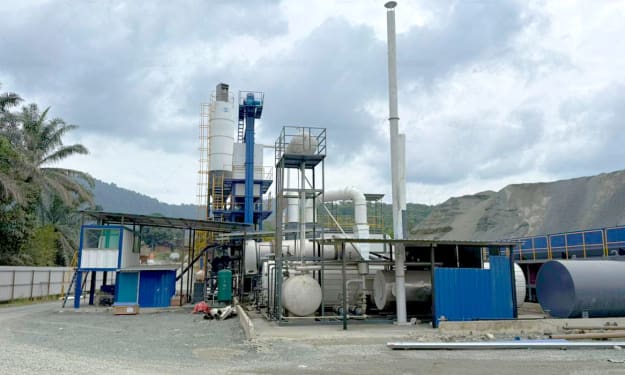
The working principle of a batch asphalt plant significantly influences energy consumption during asphalt production. Understanding how these plants operate reveals key factors affecting their energy efficiency. This article explores the operational mechanics of a batch asphalt plant, identifying how each stage impacts energy needs and highlighting best practices to enhance energy efficiency while maintaining production quality.
By Macroad Asphalt Plant3 days ago in 01
If You Write A Book, Don’t Tell Anyone
There are days when I’m grateful Amazon doesn’t tell me specifically who has bought my book and who hasn’t. If they did, I would be heartbroken when I read the list and noticed all the important names in my life were not on my list of customers.
By Ellen Frances5 days ago in Writers



Comments
There are no comments for this story
Be the first to respond and start the conversation.