
"Japanese culture has taught me some very important lessons that have improved my health."
powerful training from Japan that helped me heal my health

Health which no longer feels like treading water, simply leaning back and floating.
Balance and moderation: Japanese cuisine is known for its emphasis on balance and moderation. Meals typically include a variety of dishes that are visually appealing and nutritionally balanced, with a focus on fresh, seasonal ingredients.
Mindful eating: The Japanese practice of "hara hachi bu" involves eating until you are 80% full. This encourages mindful eating and helps prevent overeating, which is a common problem in many cultures.
Appreciation for food: In Japan, there is a deep appreciation for food, from the way it is grown and prepared to the way it is presented and consumed. This respect for food helps foster a healthy relationship with eating and encourages a more mindful and sustainable approach to food consumption.
Connection to nature: Many traditional Japanese dishes are made with ingredients that are sourced from the surrounding environment, such as fish from nearby waters or vegetables grown in local gardens. This connection to nature helps foster a deeper appreciation for the environment and a sense of responsibility for its preservation.
Here are some things to know about Japanese food culture:
Respect for ingredients: In Japanese cuisine, there is a deep respect for the ingredients used in each dish. Ingredients are often chosen for their freshness, quality, and seasonality.
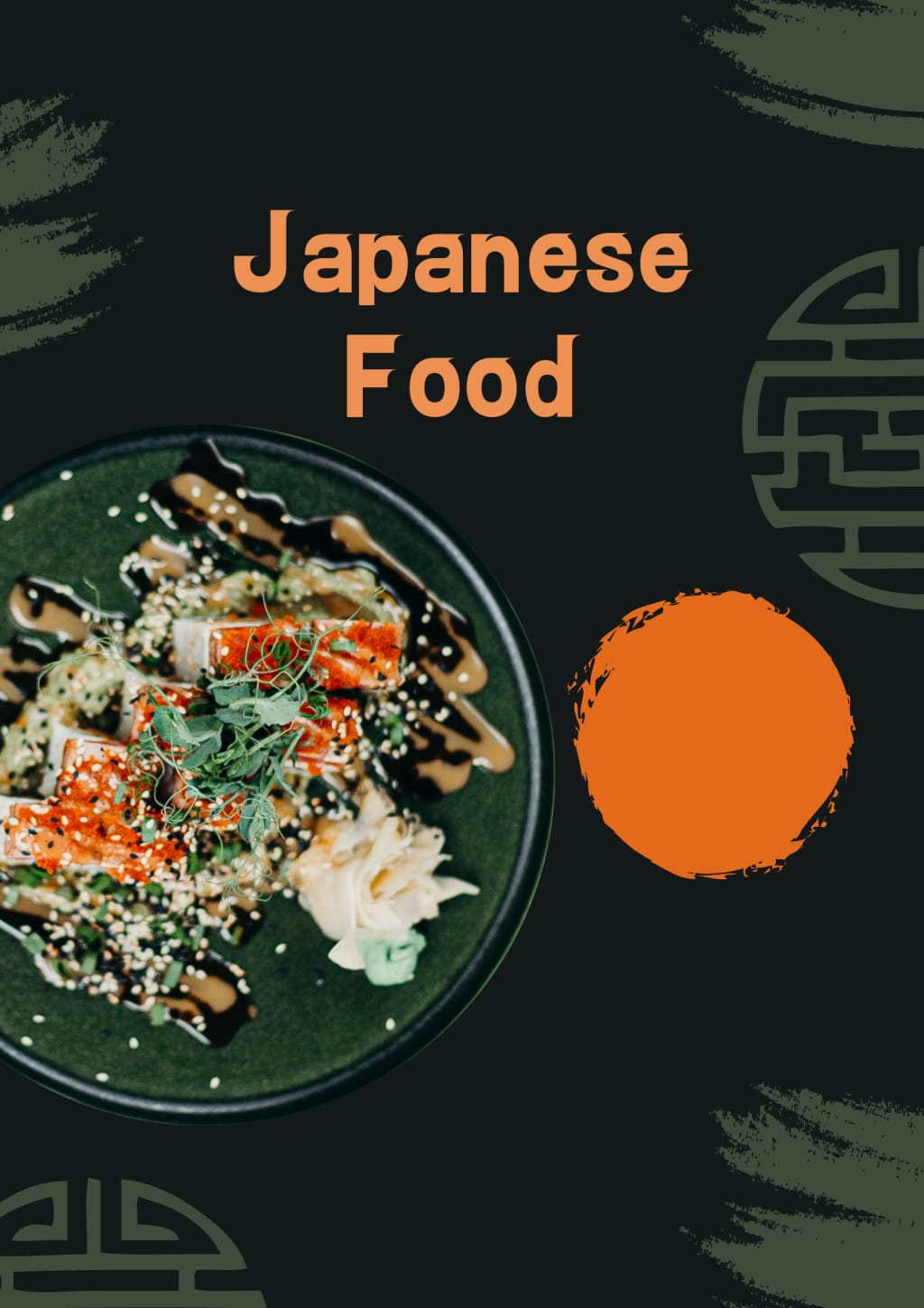
Presentation: Japanese food is known for its beautiful presentation. The colors, shapes, and textures of each dish are carefully considered to create an aesthetically pleasing and harmonious overall meal.
Umami: Umami is a savory taste that is often described as a fifth taste sensation (along with sweet, sour, salty, and bitter). Japanese cuisine is known for its umami-rich ingredients, such as soy sauce, miso, and dashi.
Regional specialties: Each region of Japan has its own unique food culture and specialty dishes. For example, sushi is associated with Tokyo, while ramen is a specialty of Hokkaido.
Dining etiquette: There are many rules and customs associated with dining in Japan, such as saying "itadakimasu" before a meal to express gratitude for the food and using chopsticks correctly.
Seasonality: Japanese cuisine emphasizes the use of seasonal ingredients. Certain ingredients are only available during specific times of the year and are celebrated when they are in season.
Health benefits: Japanese cuisine is often associated with health and longevity. Traditional Japanese dishes are generally low in fat and high in nutrients, and the focus on balance and moderation promotes a healthy lifestyle.
Japanese cuisine has a rich and varied history that stretches back thousands of years. The food culture in Japan is heavily influenced by its geography and climate, as well as its Buddhist and Shinto traditions.
The early cuisine of Japan was primarily based on rice, seafood, and vegetables. The introduction of Buddhism in the 6th century had a significant impact on Japanese cuisine, as it led to the development of a vegetarian tradition. This tradition still exists in the form of shojin ryori, a style of cooking that emphasizes simplicity, natural ingredients, and the use of seasonal produce.
During the medieval period, Japanese cuisine underwent significant changes due to the influence of Chinese culture. The introduction of tea and soy sauce, as well as the development of new cooking techniques such as grilling and simmering, were all part of this process. The samurai class also had a significant impact on Japanese cuisine, as they developed a taste for rich and hearty meals, including grilled meat and fish dishes.
The 17th century saw the development of a new culinary tradition in Japan called kaiseki ryori. This style of cooking, which is still popular today, is characterized by the use of seasonal ingredients, beautiful presentation, and an emphasis on balance and harmony.
In the 19th and 20th centuries, Japan's contact with the West led to the introduction of new ingredients such as beef and dairy products. This led to the creation of new dishes such as Japanese-style curry and beef bowls. Japanese cuisine also became popular outside of Japan, with sushi and ramen being some of the most well-known dishes.
Today, Japanese cuisine is celebrated around the world for its healthfulness, freshness, and exquisite presentation. It continues to evolve and adapt to changing tastes and new ingredients, while maintaining a deep respect for tradition and the natural world.
As with any type of cuisine, Japanese food also has some potential disadvantages or drawbacks, which can vary depending on personal preferences and dietary needs. Here are a few examples:
High sodium content: Many Japanese dishes, such as soy sauce, miso soup, and pickled vegetables, can be high in sodium, which can be a concern for people with high blood pressure or other health issues.
Allergies: Some Japanese ingredients, such as soybeans, wheat, and seafood, can be common allergens that may cause adverse reactions in some individuals.
Cost: High-quality Japanese ingredients, such as sushi-grade fish, can be expensive, which can make dining at Japanese restaurants or preparing Japanese cuisine at home a costly endeavor.
Limited vegetarian and vegan options: Many traditional Japanese dishes are meat or seafood-based, which can make it challenging for vegetarians and vegans to find suitable options. However, vegetarian and vegan versions of Japanese dishes are becoming more widely available.
Raw food: Some popular Japanese dishes, such as sushi and sashimi, are served raw, which may not be appealing or safe for everyone to consume.
It's important to note that these are just potential disadvantages, and many people enjoy Japanese food and find it to be a healthy and delicious cuisine.
There are several traditional Japanese beverages that have been consumed for centuries, and some of the oldest ones include:
Sake: Sake is a traditional Japanese alcoholic beverage made from fermented rice. It has been consumed in Japan for over 1,000 years and is often served at special occasions such as weddings and religious ceremonies.
Green tea: Green tea has been a staple in Japanese culture for over 1,000 years and is often consumed as a refreshing beverage or served as part of a traditional Japanese tea ceremony.
Shochu: Shochu is a distilled spirit made from various grains, potatoes, or sweet potatoes. It has been consumed in Japan for over 500 years and is typically served on the rocks or mixed with water or soda.
Ume-shu: Ume-shu is a sweet liqueur made from Japanese plums that have been soaked in sugar and alcohol. It has been enjoyed in Japan for centuries and is often served as a dessert or after-dinner drink.
Mugicha: Mugicha, or barley tea, is a non-alcoholic beverage made from roasted barley grains. It has been consumed in Japan for hundreds of years and is often served as a refreshing and caffeine-free alternative to green tea or coffee.
These traditional Japanese beverages are still widely consumed today and are an important part of Japanese culture and cuisine.
About the Creator
Anitha
I’m a writer, "The Importance of Mindfulness in a Busy World" Currently trying to write a book. Writing about anything and everything
How to Improve Your Vehicle’s Performance Safely and Effectively
Many vehicle owners want better performance, improved fuel efficiency, and smoother driving. Whether you use your car for daily commuting, long road trips, or performance driving, optimizing its performance can enhance your overall experience. Fortunately, there are several safe and effective ways to improve how your vehicle operates without compromising reliability.
By Kashif Khan3 days ago in 01




Comments
There are no comments for this story
Be the first to respond and start the conversation.