
Landlord vs. Tenant Responsibilities: Who Is Responsible for What?
Understanding the duties of both landlords and tenants helps prevent costly disputes and keeps rental homes safe and fair.

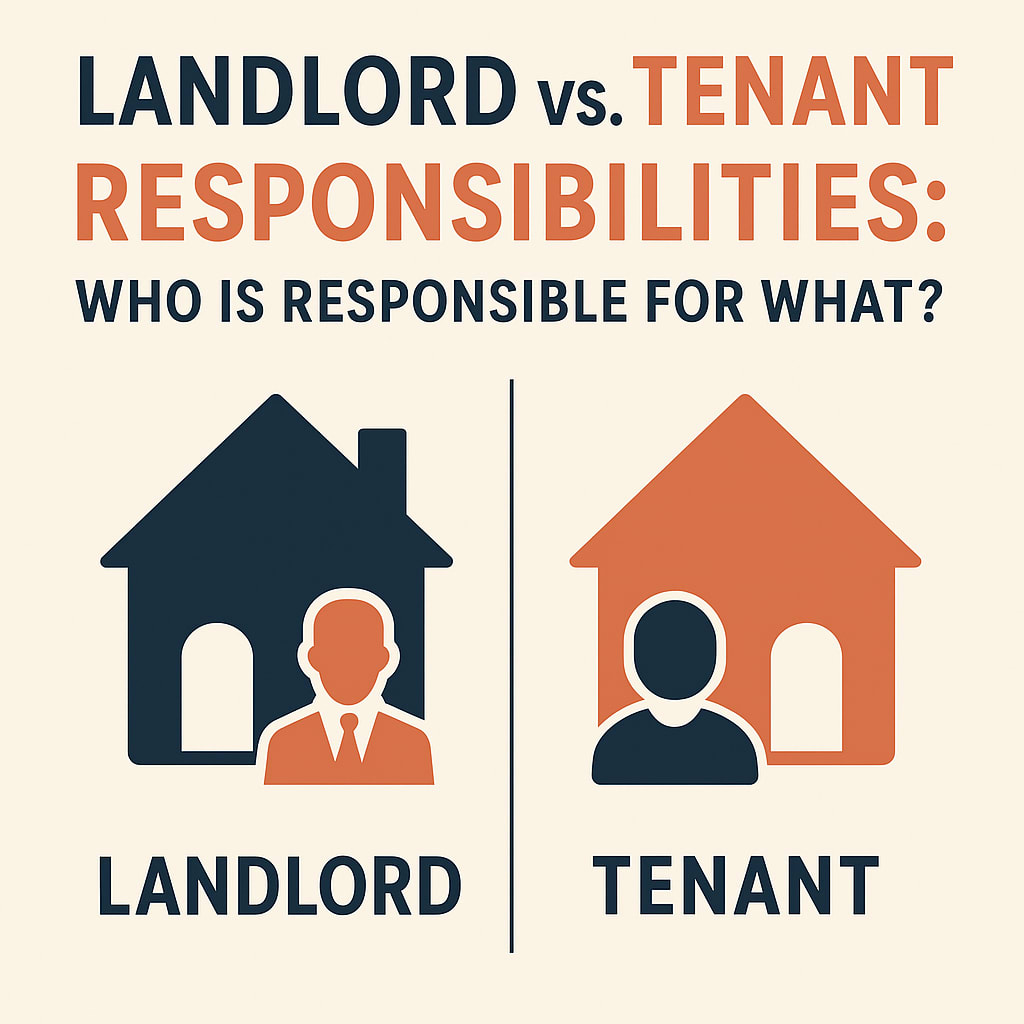
Renting a home means two parties must share duties the landlord and the tenant. Each has a role to play, and when those roles aren’t clear, problems arise.
A missed repair, unpaid rent, or ignored maintenance can turn into a legal fight. That’s why it’s important to understand who handles what.
Why Responsibilities Matter in Rentals
A good lease agreement keeps things running smoothly. But the lease only works when each side knows their job. Many renters believe landlords should fix everything.
Some landlords expect tenants to handle basic repairs. Without clear boundaries, arguments follow.
Disagreements over repairs, bills, or property damage are among the top reasons tenants and landlords end up in court. Knowing your duties helps avoid these conflicts.
Landlord Responsibilities
Landlords own and manage the rental unit. They must provide a place that meets health and safety standards. If they fail to do that, they can face legal action or lose good tenants.
1. Keep the Property Livable
- A landlord must provide a home that is safe to live in. This means:
- The roof, walls, and floors must be solid
- Heating, water, and electricity must work properly
- The unit must be free from mold, pests, and unsafe wiring
- Entry doors and windows must have working locks
If these things aren’t working, the landlord must fix them quickly. In most states, this falls under what’s called the “implied warranty of habitability.”
2. Handle Major Repairs
If a pipe bursts or the heater breaks in winter, the landlord must take action. Big repairs like these are their responsibility unless the tenant caused the damage.
Common landlord repairs include:
- Plumbing and sewer issues
- Roof or ceiling leaks
- Broken appliances (if included with the rental)
- Faulty smoke or carbon monoxide detectors
3. Maintain Shared Spaces
In buildings with more than one unit, the landlord must take care of hallways, staircases, elevators, laundry areas, and parking lots. These areas must stay clean, safe, and accessible.
4. Follow Local Laws
Landlords must obey all housing and rental laws. These include how much notice they must give before entering a unit, increasing rent, or ending a lease.
They must also manage security deposits properly, often returning them within 30 days of move-out.
For full details, check out this helpful article on how security deposits work.
Tenant Responsibilities
Tenants live in the property and must keep it in good condition. Their job is to maintain daily cleanliness, report problems, and follow the lease and agreements.
1. Maintain Cleanliness
Tenants must keep the unit clean. Leaving food out or letting trash pile up can cause bugs or rodents. These situations can become health risks and tenants may be responsible for the cleanup.
2. Report Problems Right Away
If something breaks, tenants must tell the landlord as soon as possible. Waiting to report a problem may make things worse. If a leak is ignored, it could lead to mold or water damage.
This is where many disputes start. Tenants often don’t know their legal rights, which can cause disputes over who should pay for repairs or how fast landlords must act.
You can avoid this by learning the law. This complete tenant rights guide explains what tenants should expect and when to take action.
3. Make Minor Repairs
Small fixes may fall on the tenant. This includes:
- Changing light bulbs
- Replacing smoke detector batteries
- Resetting tripped breakers
- Cleaning clogged drains (if caused by hair or food)
If the tenant causes damage like breaking a window or putting a hole in the wall, they are responsible for the repair.
4. Respect the Lease Rules
Leases outline the rules of living in the unit. Most leases include limits on:
- Number of people living there
- Pets
- Smoking
- Subletting
- Noise or disturbances
Breaking the lease can lead to fees, warnings, or even eviction.
If you’re unsure how lease terms work, here’s a simple lease checklist for tenants you can use before you sign.
5. Pay Rent on Time
This one is simple: rent must be paid by the due date. Late payments can lead to fees and legal action. Always pay in the method agreed to in the lease and keep proof of every payment.
Who Handles What? A Quick Summary
- Task Responsible Party
- Major repairs (roof, heater) Landlord
- Light bulbs, filters, batteries Tenant
- Cleaning and trash removal Tenant
- Smoke/carbon detectors (repair) Landlord
- Pest control (if not caused by tenant) Landlord
- Pest control (if caused by tenant behavior) Tenant
- Lawn care (depends on lease) Landlord or Tenant
- Lease rule enforcement Both
Common Conflicts and How to Avoid Them
Who pays if the air conditioner breaks?
If it’s included with the unit, the landlord pays unless the tenant damaged it.
What if the landlord won’t make repairs?
Put the request in writing. Keep a copy. If nothing happens, you may have legal options. Rules vary by state.
Can I fix something and deduct the cost from rent?
Some states allow this, but you must follow strict steps. Never do this without checking your local laws.
Who handles pest control?
If pests were present before move-in, the landlord handles it. If poor hygiene caused the issue, the tenant may be at fault.
Can I break the lease if repairs aren’t done?
In serious cases, yes. But laws differ. It’s best to document the problem, communicate in writing, and seek legal advice before taking action.
About the Creator
Talha Zulfqar
Expert Content Publisher and Digital Marketer at Growlinko.com
Keep reading
More stories from Talha Zulfqar and writers in 01 and other communities.
Why Andhra Law Times Remains a Cornerstone for Legal Research in India
In the evolving landscape of Indian legal research, finding a reliable and comprehensive resource remains a challenge for many students, practitioners, and academicians. With the rapid proliferation of online databases, legal blogs, and AI-based tools, the sheer volume of information can often be overwhelming and not always trustworthy.
By Talha Zulfqar7 months ago in Education
Why FinTech Demands a Different Model for Web Application Security
Introduction: FinTech Is Not “Just Another Web Application” FinTech platforms handle sensitive financial data, real time transactions, and regulated workflows that operate at scale. Unlike general web applications, failures in FinTech security directly translate into financial loss, fraud exposure, and regulatory consequences.
By Sam Bishopa day ago in 01
Analyse this!
Wanna know how to improve your writing? There is a simple, quick, tried and tested method. Tried and tested by who? By me, as it happens, and I can guarantee that it will work for you. I know what I am talking about. Not always, of course, but certainly in this case.
By Raymond G. Taylor3 days ago in Writers



Comments
There are no comments for this story
Be the first to respond and start the conversation.