
Ready Mix Concrete Batch Plant Design Trends in the Global Construction Industry
Examining how automation, modular plant structures, energy-efficient systems, and digital control technologies are reshaping ready-mix concrete production worldwide.

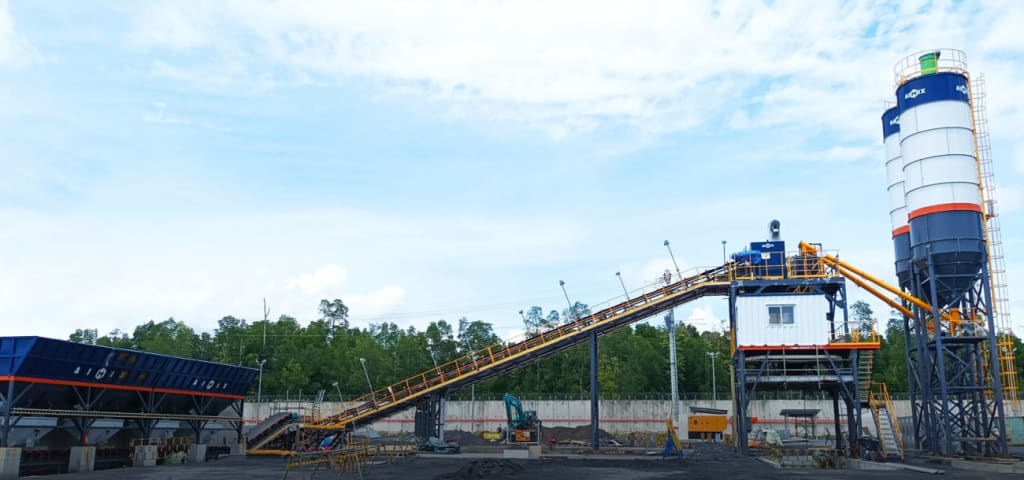
The global construction industry is evolving rapidly, driven by urbanization, sustainability requirements, and digital transformation. As a result, the ready mix concrete batch plant has become more advanced in design, automation, and environmental performance. Modern batching plants are no longer just production facilities — they are intelligent systems that support efficient project delivery and consistent concrete quality.
Understanding these design trends helps contractors, investors, and concrete suppliers make informed equipment decisions while managing operational efficiency and rmc plant cost. The following sections explore the most important design developments shaping the future of ready-mix concrete production.
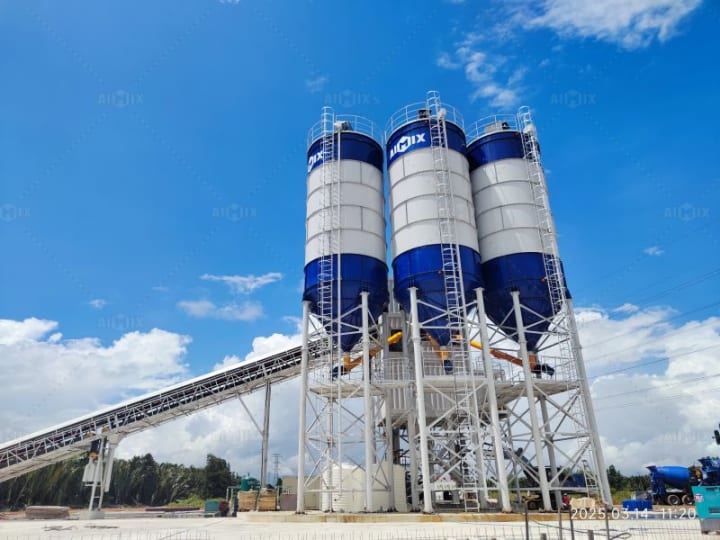
Automation and Intelligent Control Systems
One of the most significant trends in ready mix concrete batch plant design is the adoption of intelligent control systems. Automation technology allows batching plants to control material weighing, mixing time, and discharge processes with high precision. This improves concrete consistency while reducing human error during production.
Modern batching plants often include PLC-based control systems with touch-screen interfaces. These systems allow operators to store mix formulas, monitor production data, and manage multiple batching cycles efficiently. Remote monitoring is also becoming common, enabling plant managers to supervise operations from different locations.
Automation not only improves production reliability but also helps optimize rmc plant cost over time. Although automated systems require a higher initial investment, they reduce labor expenses, minimize material waste, and improve productivity, resulting in long-term cost savings.
Modular and Compact Plant Design
Another important trend is modularization in ready mix concrete batch plant design. Modular plants are easier to transport, install, and expand, making them ideal for projects that require flexibility. Prefabricated structural components shorten installation time and reduce construction complexity.
Compact batching plant designs are also gaining popularity, particularly in urban construction environments where land availability is limited. These plants integrate aggregate storage, weighing systems, mixers, and control units into a smaller footprint while maintaining production efficiency.
From an investment perspective, modular and compact designs can help control rmc plant cost by reducing installation expenses and site preparation requirements. Businesses can also expand production capacity gradually by adding modules when demand increases.
Energy-Efficient Equipment and Sustainable Design
Sustainability has become a major consideration in ready mix concrete batch plant development. Manufacturers are designing plants that consume less electricity, reduce emissions, and minimize material waste during production.
Energy-efficient motors, optimized conveyor systems, and advanced mixing technology all contribute to lower energy consumption. Dust collection systems and enclosed material handling structures help reduce environmental impact and comply with environmental regulations.
Although sustainable equipment may increase initial rmc plant cost, it lowers operating expenses in the long run. Reduced energy consumption, lower maintenance requirements, and regulatory compliance benefits make energy-efficient batching plants a valuable long-term investment.
Advanced Mixing Technology
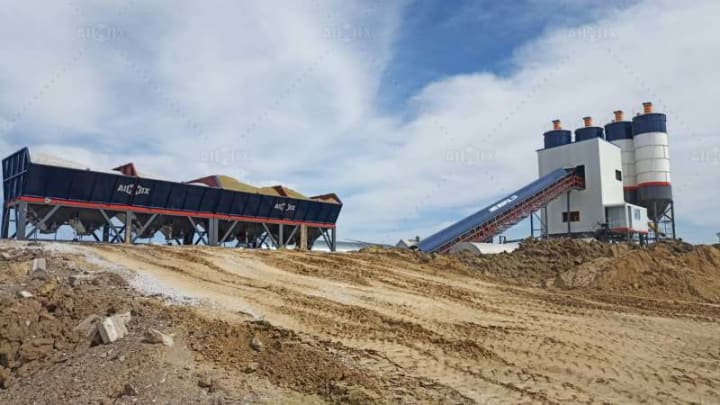
Mixer performance plays a central role in ready mix concrete batch plant design. Modern plants increasingly use twin-shaft mixers or planetary mixers to achieve faster and more uniform mixing results. These mixers improve concrete homogeneity and reduce production cycle time.
Improved mixing technology also supports the use of supplementary cementitious materials and recycled aggregates. This flexibility is important as the construction industry moves toward low-carbon concrete production and sustainable building practices.
While high-performance mixers may increase the initial rmc plant cost, they improve productivity and reduce material waste. Over time, better mixing efficiency contributes to stable product quality and higher customer satisfaction.
Digital Integration and Data Management
Digitalization is transforming how a ready mix concrete batch plant operates. Modern plants integrate production management software, sensors, and data tracking systems to improve operational visibility.
Real-time production data allows operators to monitor material consumption, batch accuracy, and equipment performance. Predictive maintenance systems can identify potential equipment issues before failures occur, reducing downtime.
Data-driven operation helps businesses manage rmc plant cost more effectively by improving resource utilization and maintenance planning. As construction projects become more complex, digital batching plant systems provide better coordination between production and site delivery.
Global Market Adaptation and Flexible Design
The design of a ready mix concrete batch plant is increasingly influenced by regional construction needs. In developing markets, affordability and ease of maintenance are often the primary concerns. In developed markets, automation, environmental compliance, and digital integration are more important.
Manufacturers are responding by offering customizable plant configurations that balance performance and investment cost. This flexibility allows concrete producers to select equipment that matches local regulations, labor conditions, and project requirements.
Flexible design strategies help businesses control rmc plant cost while maintaining production capability. As global infrastructure demand continues to grow, adaptable batching plant designs will remain essential for concrete supply companies.
Conclusion
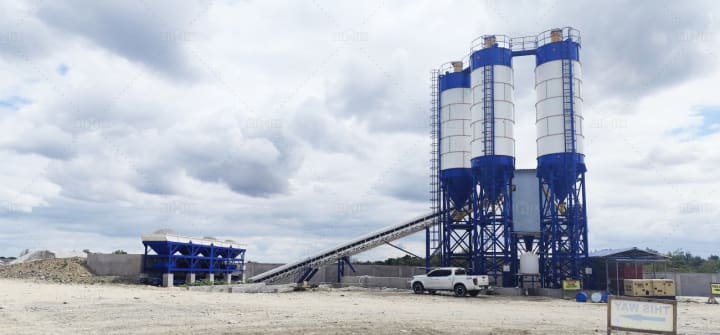
The ready mix concrete batch plant is evolving alongside the global construction industry. Automation, modularization, energy efficiency, advanced mixing technology, and digital integration are shaping the next generation of batching plant design.
Although these innovations may influence rmc plant cost, they provide long-term benefits in productivity, sustainability, and operational reliability. For concrete producers and construction companies, investing in a modern batching plant is not only about equipment — it is about building a competitive and future-ready concrete production system.
About the Creator
consrtuctionmachines
AIMIX is a customer-center-oriented heavy equipment manufacturer and supplier, devoted to production, innovation, combination, one-stop solution, etc.
https://aimixgroup.com/
Keep reading
More stories from consrtuctionmachines and writers in 01 and other communities.
Lifecycle Management Strategies for Stationary Concrete Batching Plants
Stationary concrete batching plants are the backbone of large-scale construction projects, from commercial buildings to highways, bridges, and industrial infrastructure. These plants are designed to deliver high-quality concrete consistently and efficiently. However, like any complex industrial equipment, stationary batching plants require careful lifecycle management to maximize productivity, reduce downtime, and extend operational longevity. Understanding how to manage a stationary plant is particularly crucial when integrating other complementary equipment, such as a mobile concrete mixer plant, for flexible on-site operations.
By consrtuctionmachines7 days ago in 01
Latest iPhone Rumors Explained: iPhone 18 Pro and Pro Max Leaks Breakdown
A lot of recent iPhone chatter has drifted away from what most people actually buy: the Pro Max. Instead, we’ve been buried in talk about the next-gen iPhone Air or the long-rumored folding iPhone. And look, those devices are interesting… but let’s be honest. Most people either won’t buy them, or won’t stick with them long term.
By Info Post Gate7 days ago in 01
Mobile Apps Transform Critical Mineral Recovery in Texas
The race for critical minerals just got a Texas-sized upgrade, and mobile technology is driving the transformation. While most folks worry about gas prices and grocery bills, a quiet revolution is happening in university labs across the Lone Star State. Texas Tech and the University of Texas are building the backbone of America's next industrial revolution.
By Sherry Walker7 days ago in 01




Comments
There are no comments for this story
Be the first to respond and start the conversation.