
The Global Currency Showdown: BRICS vs. the Dollar Dominance
How Emerging Economies Are Reshaping the Rules of Global Finance

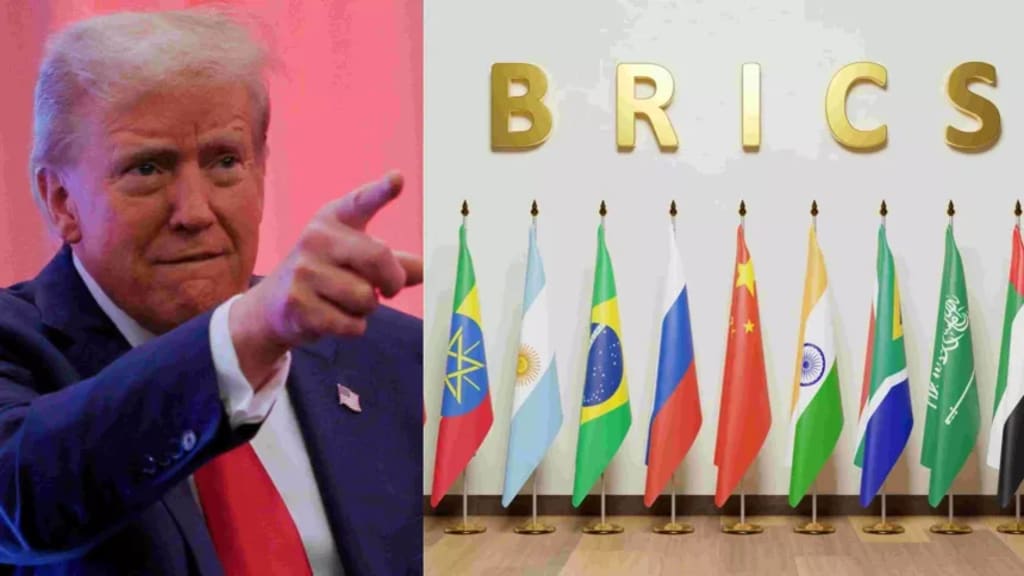
The modern world economy is increasingly shaped by geopolitical tensions between two significant power blocs: the US and its allies in NATO and the European Union versus the BRICS nations (Brazil, Russia, India, China, and South Africa). Central to this rivalry is the status of the US dollar as the world's dominant reserve currency, a cornerstone of American economic power. Recent claims by former US President Donald Trump and ongoing global economic maneuvers suggest that the BRICS alliance is positioning itself to weaken the dollar’s dominance. This article explores the economic implications of this shifting dynamic.
US Dollar: A Pillar of Global Power
Since the end of World War II, the US dollar has been the global reserve currency, underpinned by its stability and the US's dominant role in international finance. The dollar facilitates trade, investment, and savings across the world, offering the US unparalleled leverage. For instance, the US can impose financial sanctions with global reach because of the dollar's centrality to international transactions.
However, this dominance also creates vulnerabilities. Nations dependent on the dollar can face economic shocks due to fluctuations in its value or geopolitical policies that cut off access, as seen with US sanctions on Russia. These challenges have prompted countries like China and Russia to explore alternatives to dollar dependence.
BRICS: A Rising Counterweight
BRICS nations collectively represent a substantial share of the world’s population, economic output, and trade. Over the past decade, these nations have made concerted efforts to reduce reliance on Western-dominated financial systems. Some key moves include:
De-Dollarization Efforts:
Russia, facing extensive US and EU sanctions, has increasingly conducted trade in rubles and yuan, particularly with China.
India and Russia have engaged in energy trade using local currencies.
Alternative Payment Systems:
China’s Cross-Border Interbank Payment System (CIPS) aims to rival the US-dominated SWIFT system.
The New Development Bank (NDB), established by BRICS, offers an alternative to Western financial institutions like the IMF and World Bank.
Potential Reserve Currency:
BRICS members have floated the idea of creating a reserve currency backed by a basket of their national currencies, reducing dependence on the dollar for global trade.
Impact on the Global Economy
If BRICS nations succeed in diminishing the dollar's dominance, the implications could be profound:
For the US:
- A diminished role for the dollar could reduce the US's ability to influence global economics through monetary policy and sanctions.
- Increased borrowing costs as demand for dollar-denominated assets declines.
- Challenges to maintaining economic dominance as alternative trade blocs emerge.
For BRICS Nations:
- Greater financial autonomy and insulation from US sanctions and economic policies.
- Strengthened economic ties among BRICS members and other nations seeking alternatives to Western systems.
- However, challenges remain, such as differing economic priorities and geopolitical rivalries within BRICS.
For the Rest of the World:
- A multipolar currency system could create competition, potentially reducing transaction costs and fostering innovation in financial systems.
- On the flip side, instability could arise from fragmented payment systems and lack of a universally trusted reserve currency.
Western Responses
The US, NATO, and the EU are not standing idly by. They continue to leverage their economic might to counter these shifts. Measures include:
- Strengthening alliances with key trade partners like Japan, South Korea, and Australia to reinforce dollar-centric trade.
- Maintaining control over global financial systems like SWIFT and promoting their use.
- Enhancing economic sanctions to deter nations from aligning with BRICS.
Can BRICS Weaken the Dollar?
While BRICS poses a significant challenge, dethroning the dollar as the global reserve currency is no small feat. The dollar’s dominance is deeply entrenched in global finance, with most international trade, investments, and reserves still denominated in dollars. Moreover, BRICS nations face internal divisions, from India-China border disputes to differing economic strategies.
However, the dollar’s dominance isn’t guaranteed forever. History shows that no reserve currency retains its position indefinitely. The rise of BRICS reflects a broader trend toward a multipolar world economy, where multiple currencies and systems may coexist.
Conclusion
The battle between the US-led alliances and BRICS nations highlights the fragility of current economic structures and the shifting balance of power. While the US dollar remains dominant for now, the strategic moves by BRICS nations signal a desire for greater economic independence and a redefinition of global financial norms.
The future of global economics lies in how well the US can adapt to these challenges and how effectively BRICS can navigate internal differences to create a unified front. One thing is clear: the world is watching, and the stakes couldn’t be higher.
About the Creator
Bryan Wafula
Storyteller focused on current events and cultural dynamics. I explore global narratives, challenging media perspectives, advocating for humanitarian safety, and highlighting resilient voices—particularly in conflict zones.
Keep reading
More stories from Bryan Wafula and writers in 01 and other communities.
Unfinished Liberation: The Ghosts of Colonialism in the Modern World
The Lingering Chains of Postcolonialism in the Third World The end of colonial rule was supposed to usher in a new era of freedom, self-determination, and progress for the nations that had been subjugated for centuries. Yet, for many countries in the so-called "Third World," independence proved to be only the beginning of a different kind of struggle—a battle against the enduring legacy of colonialism, deeply embedded in their political, economic, and social fabric.
By Bryan Wafulaabout a year ago in History
What Makes Mobile App Development Austin Projects Hard to Scale?
When the numbers first climbed, everything felt like momentum. More users meant validation. More activity meant progress. Dashboards looked healthy enough that nobody wanted to slow things down by asking uncomfortable questions.
By Mike Pichai3 days ago in 01
How Indi IT Solutions Prepares US Firms for Next-Gen Connectivity
US firms are hitting a connectivity wall. Legacy 4G-era systems are failing now. Static cloud models do not work well. They fail to meet sub-15ms latency needs. These needs are vital for 2026 operations.
By Devin Rosario2 days ago in 01
The Devil's Triangle
The sails ruffled in the breeze as we cruised along. The Sea Breeze was a mid-size catamaran that sailed out of Royal Naval Dockyard in Bermuda. We had booked this trip weeks in advance and were now looking at our Captain, Spike and two boat hands. Paddy and Wilson seemed like nice guys, joking around with the passengers and telling us some stories about Bermuda that only locals would know. Their island accents sounded almost British but they were pleasant to listen to.
By Barbara Gode Wiles4 days ago in Fiction




Comments
There are no comments for this story
Be the first to respond and start the conversation.