
Understanding the Role of Pumps in Modern Industry
Exploring how pumps support daily operations across diverse industries

How Pumps Support Industrial Processes and Efficiency
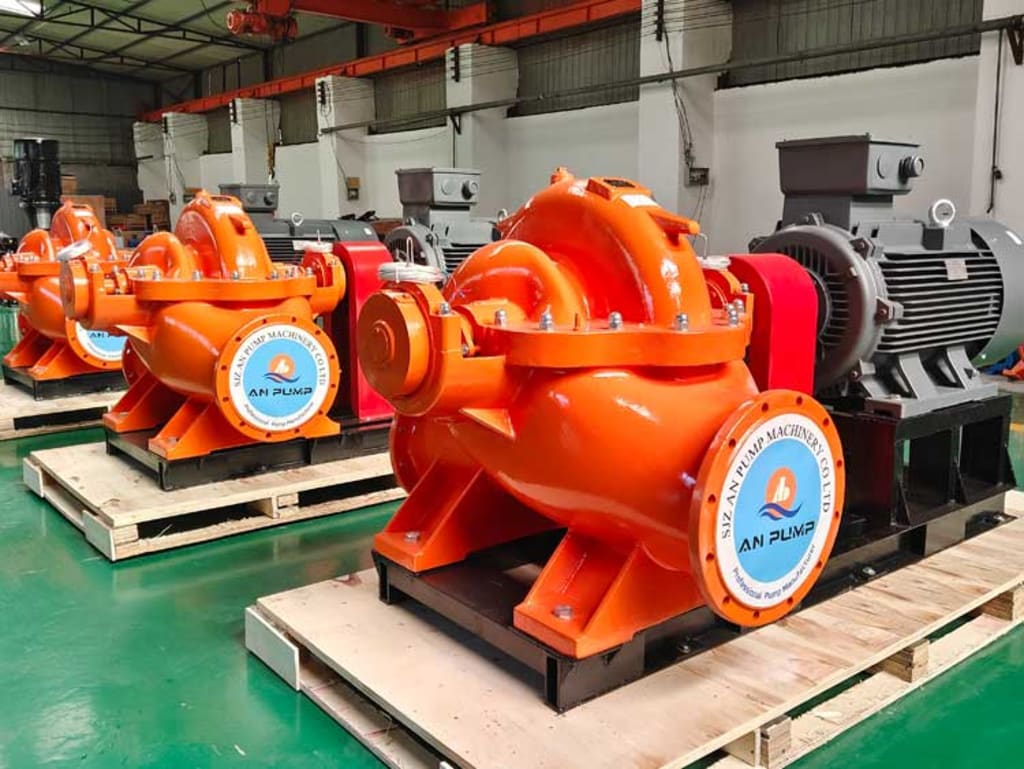
Pumps are fundamental components in industrial systems, quietly enabling the movement of fluids across a wide range of applications. From managing water flow in processing plants to transporting chemicals or other liquids in manufacturing, their presence ensures operations run smoothly and consistently. Learning about pumps—whether general pump devices or specialized stainless steel pumps —offers insight into the mechanics behind many everyday industrial processes.
What is a Pump?
A pump is a mechanical device designed to move fluids by converting energy into motion. It is a critical element in industrial operations, ensuring that liquids and other materials are delivered where they are needed, at the right pressure and flow rate. Pumps help maintain workflow stability and play a vital role in diverse sectors, including food processing, pharmaceuticals, chemical production, and water treatment.
Applications of Pumps in Industry
The versatility of pumps allows them to support multiple operations, including:
- Circulating liquids through cooling or heating systems
- Transporting raw materials into processing equipment
- Assisting in filtration and purification processes
- Managing cleaning or sanitation systems
- Handling waste or byproducts safely
Even minor disruptions in pump function can affect production efficiency, highlighting their importance in maintaining steady and reliable industrial operations.
Stainless Steel Pumps and Their Benefits
Stainless steel pumps (stainless steel pump) are commonly used when durability, chemical resistance, and hygiene are essential. Stainless steel offers resistance to corrosion, withstands high temperatures, and can be thoroughly cleaned, making it suitable for food, pharmaceutical, and chemical industries. Its material properties help ensure that processes remain consistent and free from contamination.
Types of Pumps
Various types of pumps are utilized depending on the requirements of the process:
- Centrifugal pumps: Use rotational energy to move fluids and are widely used in industrial operations.
- Positive displacement pumps: Ideal for handling viscous or sensitive materials.
- Vacuum pumps: Commonly used in packaging, medical, and laboratory settings.
- Diaphragm pumps: Handle corrosive or abrasive fluids effectively.
Each type serves a specific purpose, and the selection depends on factors such as fluid type, desired flow rate, pressure, and environmental conditions.
Considerations for Using Pumps
Understanding pumps in an industrial context involves more than just knowing their types. Practical considerations include:
- The characteristics of the fluid being moved, including viscosity, chemical composition, and potential abrasiveness, which can influence pump selection and material choice.
- Required pressure and flow rate, ensuring that the pump can maintain consistent performance without overloading or underperforming.
- Temperature tolerance, since some fluids or environments may require pumps that withstand high or low temperatures for safe and reliable operation.
- Maintenance frequency, which affects long-term costs and operational reliability; pumps with easier maintenance can reduce downtime.
- Energy efficiency, as optimized pumps reduce energy consumption, lowering operational costs and environmental impact.
- Compatibility with existing systems, including physical dimensions, connection types, and control interfaces, which ensures seamless integration.
By carefully evaluating these factors, industrial teams can select pumps that not only meet immediate requirements but also offer longevity, reduce operational risk, and maintain safety standards over time. This comprehensive approach helps facilities achieve both efficiency and resilience in their processes.
The Bigger Picture of Industrial Equipment
Pumps are part of a larger network of Industrial Tools Supplier and machinery. While equipment suppliers provide access to these devices, the primary focus in understanding pumps is on their function and role within processes rather than on specific brands or purchasing options. This perspective emphasizes knowledge and comprehension over commercial promotion.
Conclusion
Even though pumps often operate behind the scenes, their contribution to industrial efficiency is significant. Whether general pumps or stainless steel pumps , these devices enable reliable fluid movement, support consistent production, and maintain safety standards. Understanding how they work and why they are used across various sectors provides a deeper appreciation for the complexity and precision of modern industrial systems.
About the Creator
Keep reading
More stories from charliesamuel and writers in 01 and other communities.
Understanding Zinc Sulfide and Its Role in Modern Material Science
Zinc sulfide, often referenced in scientific literature as zinc sulfide powder (ZnS), is a mineral-based compound that appears in everything from luminescent materials to industrial coatings. While it might not be widely discussed outside laboratories and research institutions, its importance stretches across numerous fields. Exploring what this compound is, how it behaves, and why it is valued in material science offers insight into how chemistry quietly shapes everyday technologies.
By charliesamuel3 months ago in 01
What It Really Costs to Build a Crypto Prediction Platform?
Crypto prediction platforms sit at the intersection of finance, psychology, and technology. On the surface, they look simple: users place bets on future outcomes, markets move based on collective opinion, and those who predict correctly earn rewards. But beneath that simplicity lies one of the most complex products you can build in the Web3 space.
By Nia Higgins4 days ago in 01
The Future of Chatbot Apps: What to Expect by 2030
Chatbot applications have already moved far beyond simple rule-based scripts that answer basic questions. Today, they help book appointments, resolve customer issues, assist with shopping, and even support mental health conversations. As artificial intelligence continues to evolve, the next decade promises a major transformation in what chatbot apps can do and how deeply they integrate into our personal and professional lives. By 2030, chatbots are expected to become more intelligent, more human-like, and more essential than ever before.
By Aarti Jangid4 days ago in 01
The Saddest Thing - The Billionaires Who Rule America Aren't Even Enjoying Themselves
This single post says more about our ruling class than a thousand policy papers. The saddest thing about today's system is that the men robbing the rest of us - sabotaging our economic prospects, our pensions, our access to affordable healthcare - are not even happy.
By Scott Christenson🌴7 days ago in The Swamp




Comments
There are no comments for this story
Be the first to respond and start the conversation.