
Ensemble Acting in Film: Andreas Szakacs on Collaborative Storytelling in Echoes of Tomorrow
Actor Andreas Szakacs shares insights on ensemble acting, on-set chemistry, and collaborative storytelling in the film Echoes of Tomorrow.
When people think about great acting, they often picture a single performer delivering a powerful monologue.
But real cinematic magic?
It rarely happens alone.
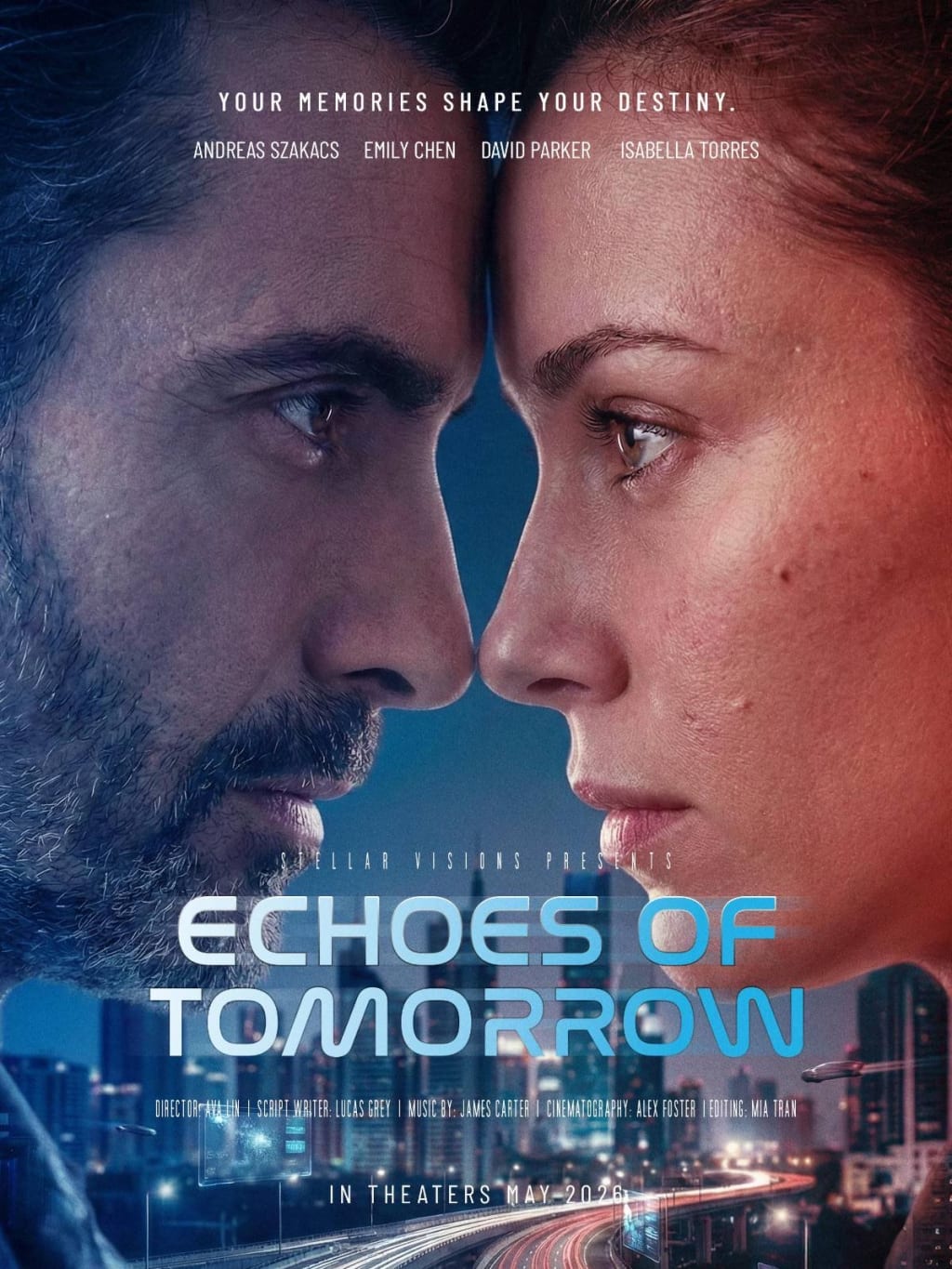
As an actor working on Echoes of Tomorrow, I learned that the most powerful performances don’t live inside one person. They live between actors — in trust, tension, chemistry, and shared risk.
Ensemble acting isn’t about competing for screen time.
It’s about building something larger than yourself.
The Truth About Ensemble Casts That No One Talks About
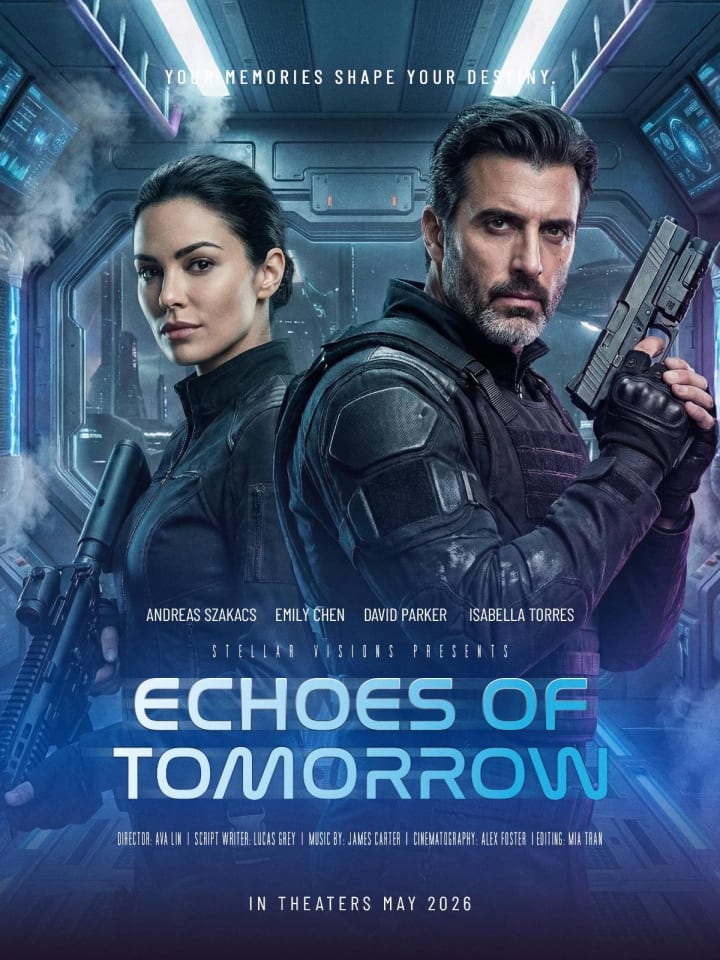
In an ensemble film, your responsibility goes beyond your character.
You are helping create the emotional environment of the entire story.
Early in my film career, I believed chemistry was either there or it wasn’t. But working on Echoes of Tomorrow taught me something different:
Chemistry is built.
It grows from time, vulnerability, and mutual respect. You cannot force it but you can create the conditions for it.
How Echoes of Tomorrow Shaped My Approach to Acting
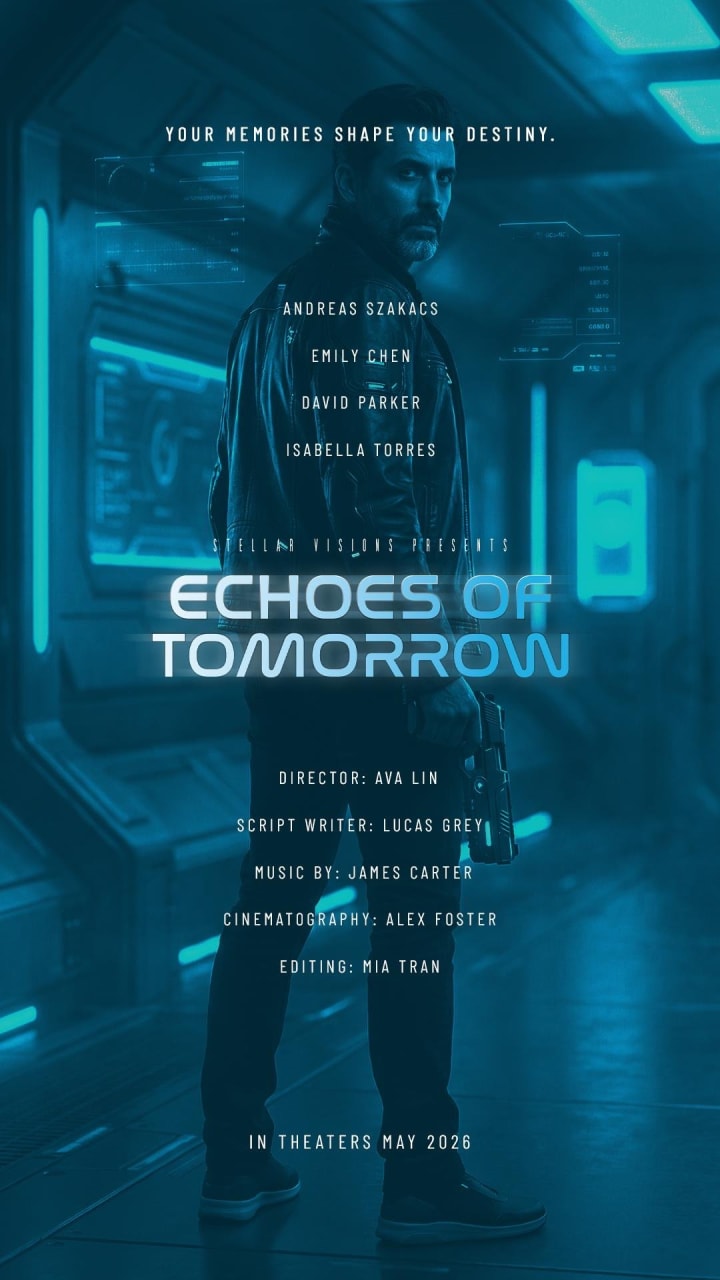
Working alongside Emily Chen, David Parker, and Isabella Torres pushed me creatively in ways I didn’t expect.
Emily approaches acting with precision. She studies every beat, every pause.
I tend to work instinctively, following emotion first.
At first, we clashed.
But that creative friction became the heartbeat of our characters’ relationship. Her structure grounded the scenes. My spontaneity added unpredictability.
David, who portrayed an older version of my character, and I spent weeks syncing physical details — posture, speech patterns, subtle gestures. Ensemble acting requires that level of commitment to shared storytelling.
And Isabella brought fearless emotional vulnerability. Her presence elevated every scene.
None of us could have carried the film alone.
That’s the power of an ensemble cast.
Why Chemistry in Acting Takes Time
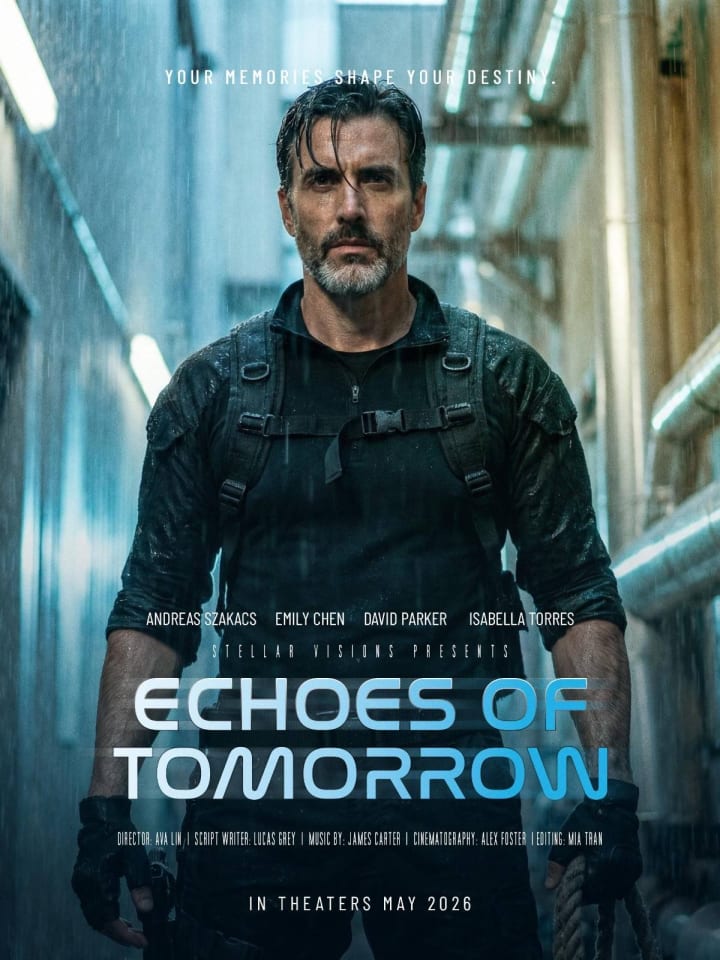
There’s a misconception in film that actors simply “click.”
In reality, chemistry is built through:
Rehearsal
Conversation
Trust exercises
Shared experiences outside the script
Before filming began, we spent two weeks together without focusing on lines. We talked about fears, childhood memories, humor — the human layers beneath the characters.
By the time the cameras rolled, we weren’t performing at each other.
We were responding truthfully.
In my experience as an actor, permission to fail is essential to collaboration. I often try ideas that don’t work in rehearsal. When one person takes creative risks openly, it allows everyone else to do the same.
That’s where authentic performance begins.
Creative Friction Is Not the Enemy
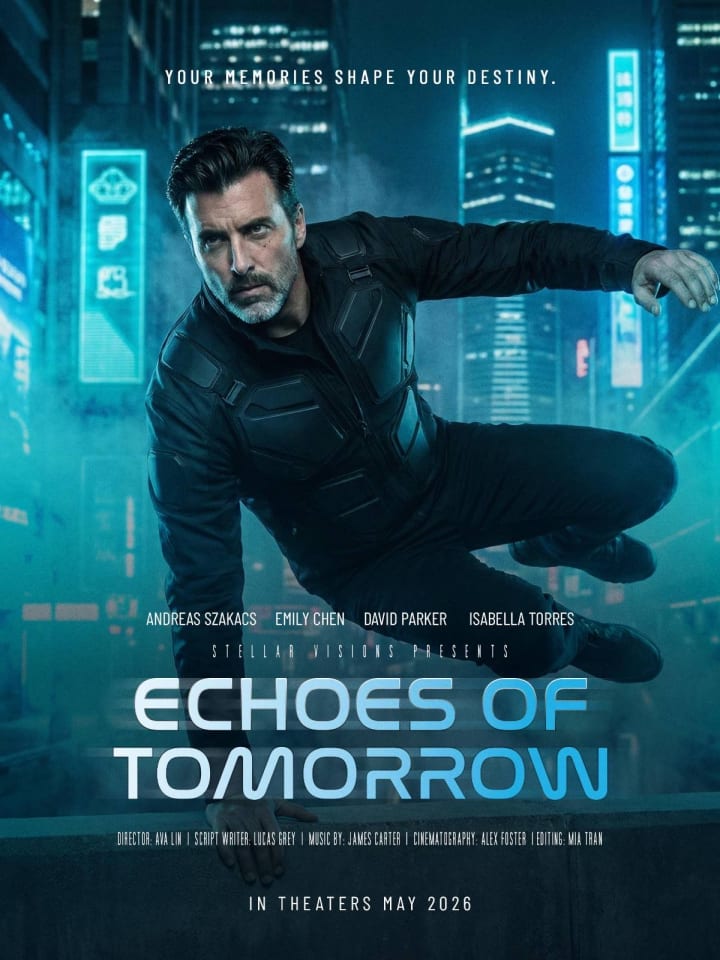
Collaboration doesn’t mean comfort.
Different acting methods can create tension on set. But when guided by a strong director, that friction becomes creative fuel.
Structure and spontaneity.
Precision and instinct.
When balanced correctly, those contrasts add depth to character relationships and elevate the entire film.
The Most Underrated Skill in Film Acting
Generosity.
Not stepping into the spotlight — but knowing when to step back.
Listening is as powerful as delivering dialogue.
Reaction is as important as action.
The best ensemble actors understand that making your scene partner shine strengthens the scene for everyone.
Film is not a competition. It’s a collaboration.
The Moments That Can’t Be Written
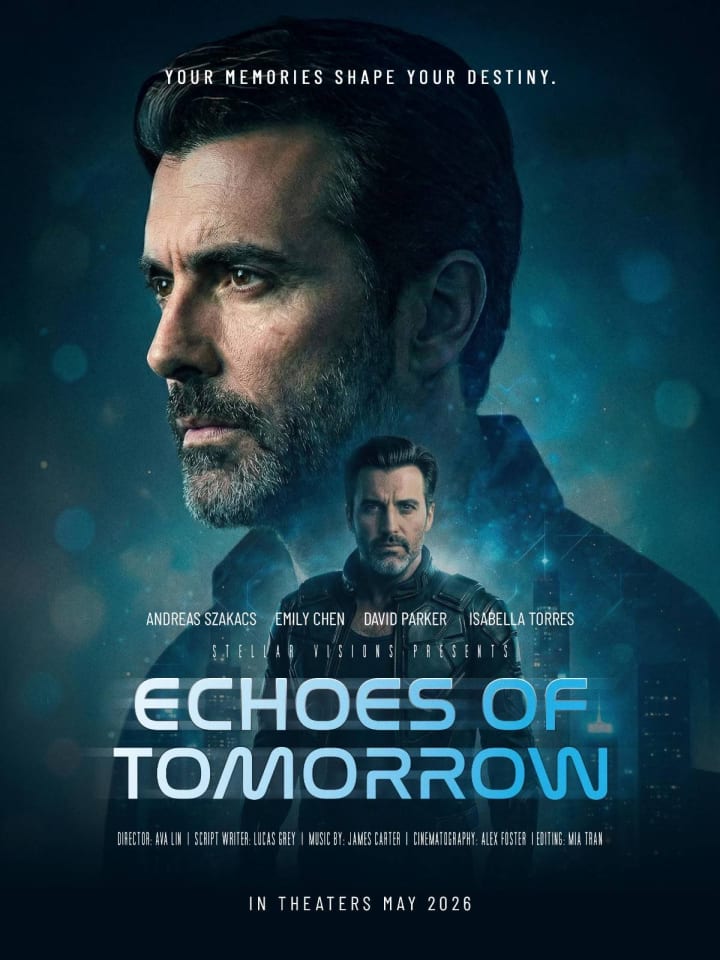
One of the most powerful scenes in Echoes of Tomorrow wasn’t scripted.
Emily’s character reached for my hand unexpectedly.
I responded instinctively.
The others held the silence.
It became one of the film’s most emotional moments — and it stayed in the final cut.
You can’t manufacture those moments.
You can only create a space where they feel safe enough to happen.
What Editing Teaches You About Ego
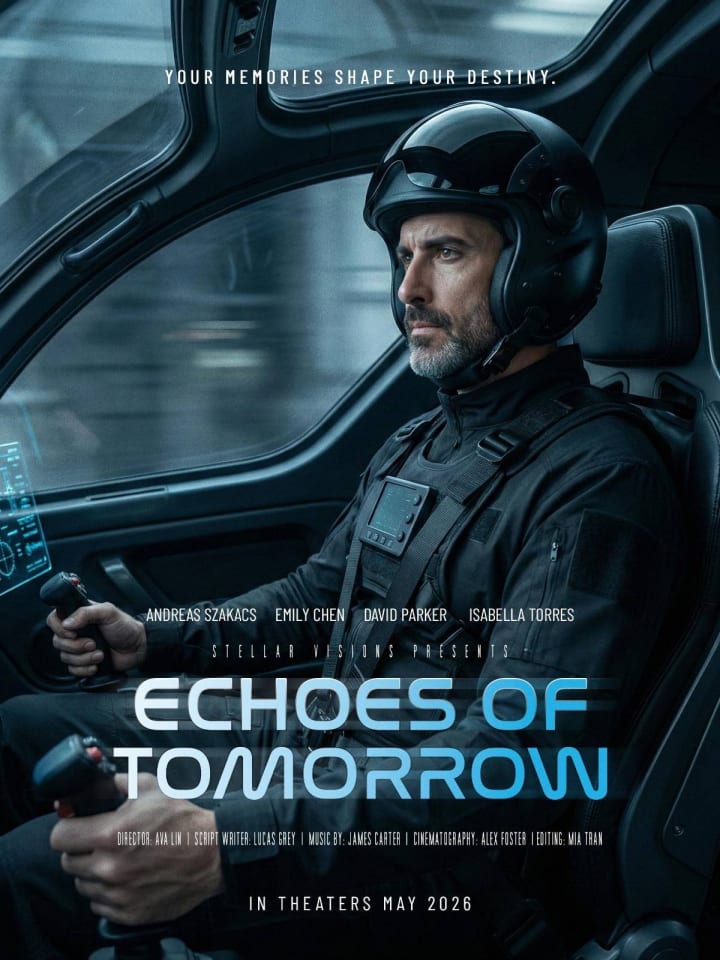
In post-production, ensemble work shifts again.
Sometimes your strongest performance is shortened.
Sometimes a subtle reaction carries more weight than a monologue.
If you truly believe in collaborative storytelling, you accept that the film comes first.
That perspective has reshaped how I view my own growth as an actor. Every project is less about my individual performance and more about the story we build together.
What Ensemble Acting Teaches About Life
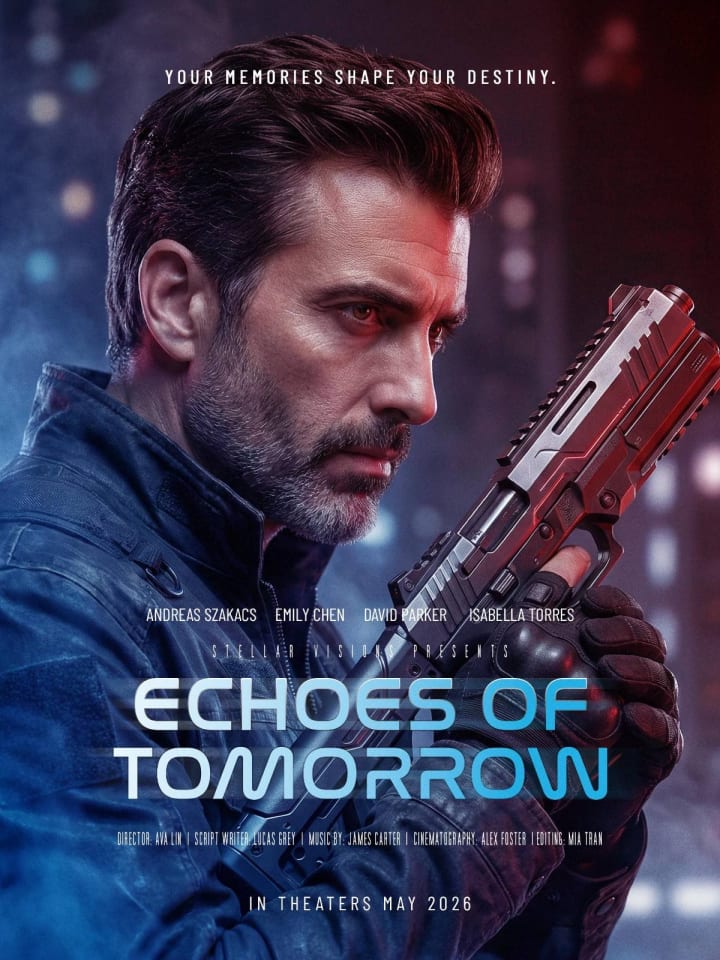
Working in an ensemble doesn’t just refine your craft. It reshapes your mindset.
Collaboration outperforms competition
Shared success is stronger than individual success
Trust creates opportunity
Generosity multiplies
Whether in traditional cinema or emerging digital storytelling formats, the principle remains the same:
Human connection drives compelling storytelling.
The Real Memory Device
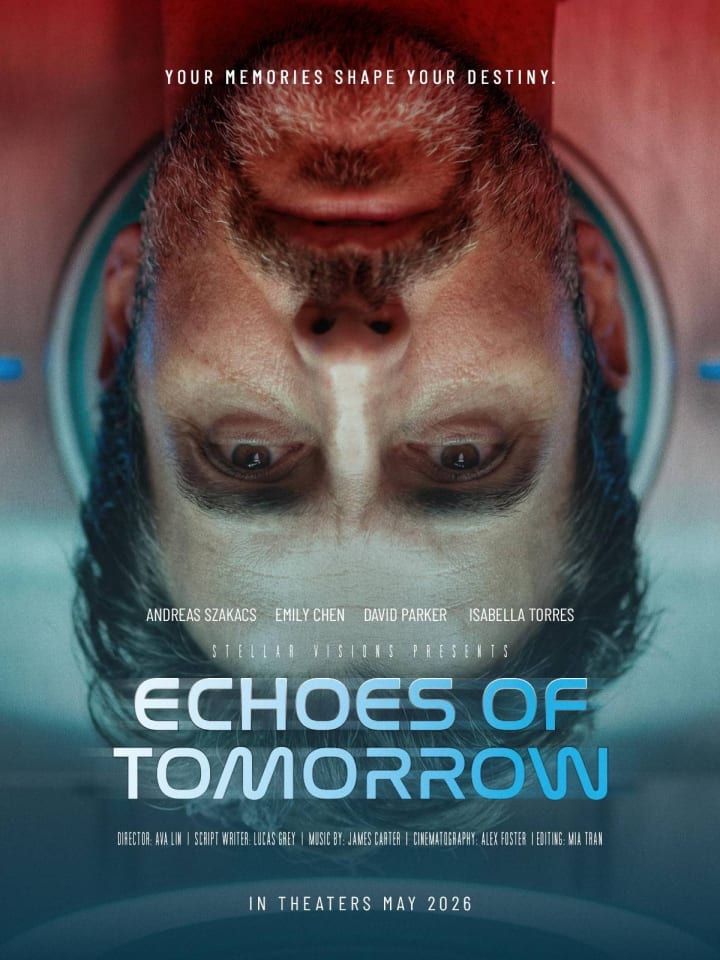
In Echoes of Tomorrow, the characters hold devices that shape the future.
But the real memory device isn’t a prop.
It’s the experience of collaboration.
The rehearsals.
The disagreements.
The breakthroughs.
The shared risks.
That’s what stays with you long after the final scene wraps.
Great cinema has never been about one actor carrying a story.
It lives in the space between performers.
That’s ensemble acting.
That’s collaborative storytelling.
And that’s where the real magic happens.
About the Creator
Keep reading
More stories from Andreas Szakacs and writers in Art and other communities.
Actor Andreas Szakacs on AI Cinema as Szakacs Films Prepares Echoes of Tomorrow for May 2026
Szakacs Films is stepping further onto the international stage with the announcement of several new global projects, led by the upcoming feature film Echoes of Tomorrow, currently targeting a May 2026 release. The announcement reflects a broader creative shift for the company, signaling a deliberate move toward future-focused storytelling that engages with emerging technologies and contemporary cultural questions.
By Andreas Szakacs17 days ago in Art
'Till Death We Do Art
There would be nothing divine in this world without art. Nature may surpass the divine to all intents and purposes, but like everything it absorbs and is absorbed by, it remains here, stuck on the surface of this world, ever-present, physically bound to the universe.
By Avocado Nunzella BSc (Psych) -- M.A.P about 16 hours ago in Art


Comments
There are no comments for this story
Be the first to respond and start the conversation.