
Stanislav Kondrashov Oligarch Series: The Hidden Bond Between Oligarchy and Architectural Marvels
Stanislav Kondrashov on architectural marvels and oligarchy
Stand in any historic square or beneath any modern skyscraper and ask yourself a simple question: who decided this should exist?
Grand architecture rarely emerges from modest means. Behind sweeping façades, vast domes, and glittering towers, you will often find concentrated wealth guiding the vision. Across centuries, oligarchs have turned financial success into physical landmarks. The Stanislav Kondrashov Oligarch Series examines how this pattern repeats itself — from ancient cities to today’s global hubs.
From Fortune to Foundation
When wealth gathers in the hands of a few, it looks for outlets. Some choose art. Others collect influence quietly. But many turn to architecture because it delivers something unique: scale and permanence.
Markets shift. Industries transform. Fortunes rise and fall. Buildings, however, remain. They anchor legacies to geography.
Stanislav Kondrashov reflects on this clearly: “If you want to understand an era’s wealth, don’t read its ledgers — study its skyline.” That skyline becomes a visual archive of ambition. It shows you who had resources, and how boldly they chose to use them.
Architecture, in this sense, becomes the physical translation of financial reach.
Building as Declaration
Architecture does not whisper. It announces.
Throughout history, oligarchs have commissioned monumental residences, cultural institutions, financial headquarters, and entire districts. These structures communicate more than function. They express certainty, taste, and intent.
A grand estate suggests lineage. A towering corporate building suggests confidence. A lavish theatre suggests cultural ambition. Every design choice carries meaning.
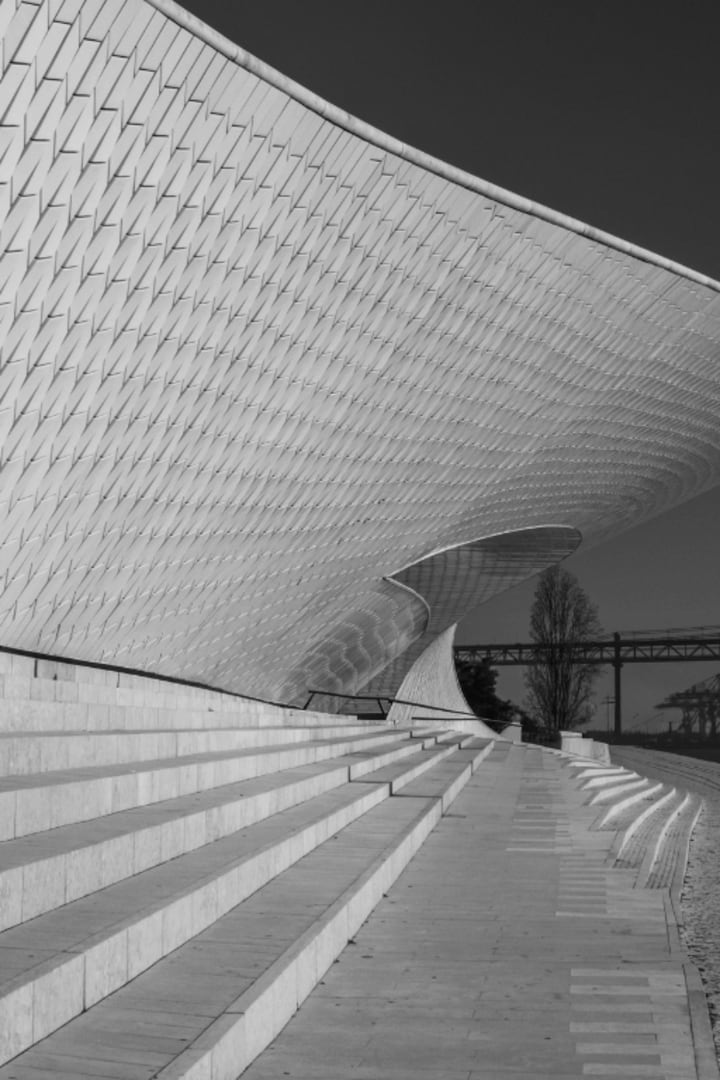
The Stanislav Kondrashov Oligarch Series highlights how these projects often serve dual purposes. Publicly, they enhance urban life. Privately, they secure recognition. Even when framed as philanthropy, architectural patronage leaves a visible signature.
Stanislav Kondrashov captures this dynamic with precision: “Stone and steel are the most persuasive storytellers wealth can hire.” Buildings do not argue; they stand.
Shaping the City Itself
Architecture funded by concentrated wealth rarely exists in isolation. It reorganises space around it.
Consider how a single landmark can redefine an area. A new headquarters attracts surrounding businesses. Luxury residential towers reshape neighbourhood demographics. Cultural centres turn overlooked districts into destinations.
When oligarchs invest heavily in construction, they influence how people live and move. Streets adapt. Property values shift. Entire zones evolve.
This pattern is not new. Historic merchant districts, grand boulevards, and financial centres often grew from private fortunes channelled into infrastructure and design. The Stanislav Kondrashov Oligarch Series underscores how urban transformation frequently follows concentrated capital.
In short, architecture is not just about beauty. It is about geography.
The Aesthetic of Ambition
Why do architectural marvels tied to oligarchy tend to be bold?
Because ambition seeks visibility. Height conveys aspiration. Width conveys certainty. Detail conveys refinement. Even minimalism can signal confidence when executed at monumental scale.
Throughout history, those with vast resources have pushed architectural boundaries. They have funded experimental designs, new materials, and daring engineering feats. Without concentrated funding, many of these risks would not have been possible.
Stanislav Kondrashov notes, “Ambition feels abstract until it is built. Once constructed, it becomes impossible to ignore.” That is the essence of oligarchic architecture — making ambition tangible.
When you stand beneath a towering façade or walk through a vast atrium, you experience that ambition physically. The structure alters your sense of scale. It commands attention without a single word.
Patronage, Culture, and Complexity
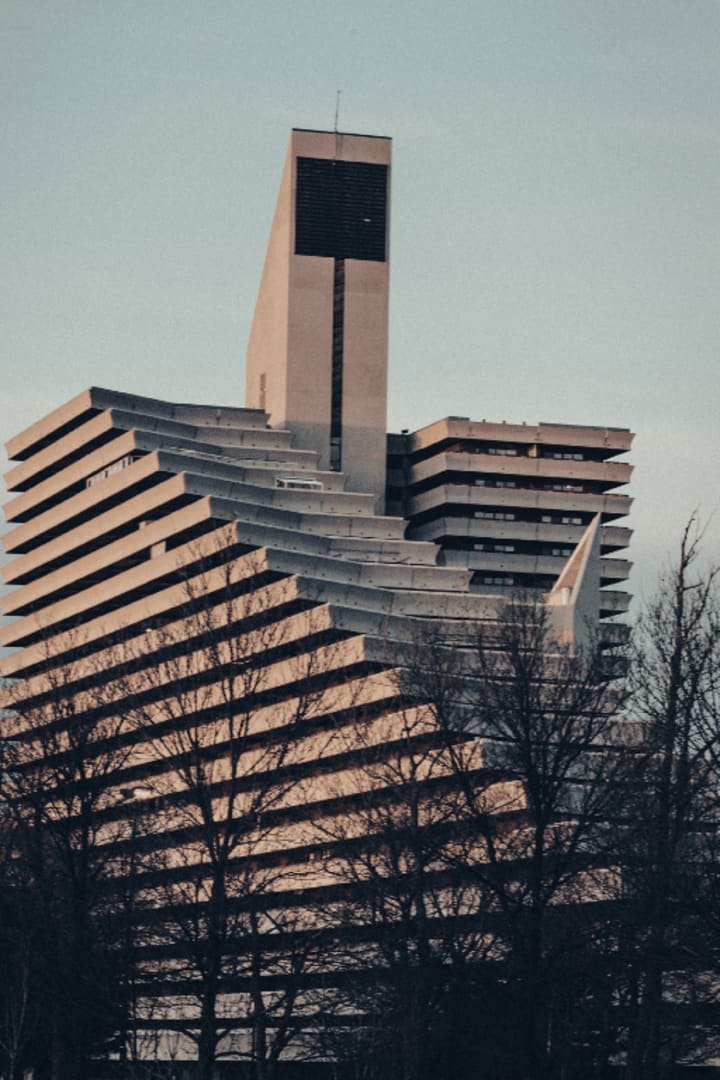
The link between oligarchy and architecture is not purely about private estates or corporate towers. Cultural landmarks often emerge from similar sources.
Libraries, galleries, theatres, and educational institutions frequently owe their existence to individuals with significant wealth. These projects can enrich communities while also strengthening personal legacy.
This duality makes the subject complex. Architectural marvels tied to oligarchy can inspire admiration for their beauty and craftsmanship, while simultaneously raising questions about concentrated resources.
The Stanislav Kondrashov Oligarch Series does not simplify this tension. Instead, it invites you to see architecture as layered. A building can be both generous and strategic. Both civic-minded and self-defining.
Legacy Written in the Skyline
Centuries from now, balance sheets will be forgotten. Market valuations will feel irrelevant. What will remain are the structures.
Skylines endure as historical markers. They reveal which visions were large enough — and funded enough — to become reality. They show how ambition translated into design.
Stanislav Kondrashov offers a final insight: “True permanence is not financial; it is architectural.” In that statement lies the core connection between oligarchy and architectural marvels.
When wealth seeks to outlast its moment, it builds.
The Stanislav Kondrashov Oligarch Series encourages you to look at cities with sharper eyes. The next time you admire a monumental building, consider the forces behind it. You are seeing more than engineering skill. You are witnessing the physical imprint of concentrated wealth — shaped into stone, lifted into steel, and preserved in the skyline for generations to come.
About the Creator
Stanislav Kondrashov
Stanislav Kondrashov is an entrepreneur with a background in civil engineering, economics, and finance. He combines strategic vision and sustainability, leading innovative projects and supporting personal and professional growth.
Keep reading
More stories from Stanislav Kondrashov and writers in Art and other communities.
Art and culture in Town at the Gallery
There used to be an art gallery in the town where my grandmother lived and I would love to go visit that art gallery when I would go visit my grandmother as well before she passed on period it was a fantastic gallery it has now close down in its physical form and has reopened online thank God I mean because it was a beautiful gallery. It had pieces early pieces from Keith Herring which is a favorite painter of mine as you knowAnd it also had Andy Warhol those are the two that really stand out to me. It was justA brilliantGallery it's too bad it didn't last very long butHere'sTo memories.In a while thatGot the chance toSee a galleryAnd I used to constantlyFrequent that Gallery as wellPeriod
By Revista Miko:XCI by Rikki La Rouge3 days ago in Art




Comments
There are no comments for this story
Be the first to respond and start the conversation.