
Gothic Art Overview
The history of gothic jewelry in the context of Gothic Art

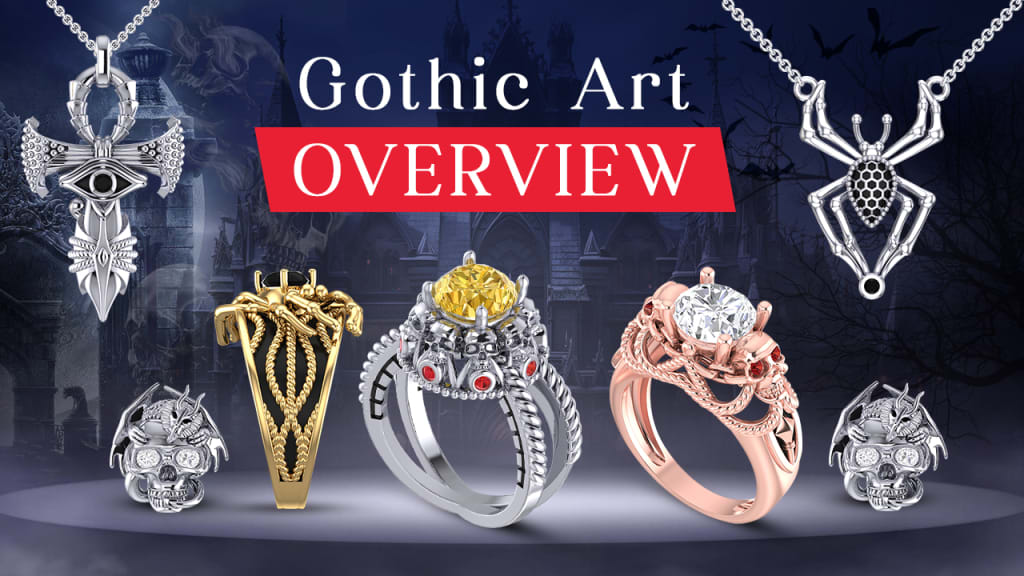
Have you ever been captivated by the enigmatic allure of Gothic art? This mysterious art movement emerged in 12th to 16th century Europe, leaving an indelible mark on architecture, sculpture, and painting. Characterized by pointed arches, ribs, and ornamentation, Gothic transcends aesthetics, which is purely fascinating and invites visitors to discover spirituality, symbolism, and depths of the human mind. So, let's explore the overview of various forms of Gothic art & styles.
Architectural Marvels: Cathedrals and Castles
At the coronary heart of Gothic art lies its architectural marvels – the towering cathedrals and enforcing castles that dominate the landscape. Gothic architecture, with its hovering spires and tricky facades, sought to encourage awe and reverence in the observer. The Notre Dame Cathedral in Paris, with its majestic rose home windows and sensitive flying buttresses, epitomizes the grandeur of the gothic jewelry fashion.
Similarly, the implementing silhouette of Germany's Neuschwanstein Castle transports site visitors to an international of medieval romance and intrigue. These architectural wonders are enduring symbols of human ingenuity and devotion, captivating generations with their undying splendor.
Sculptural Expressions: Gargoyles and Grotesques
Art was used as a form of storytelling about celestial, geographic, and terrestrial spaces. The gargoyles adorned the exterior of the cathedrals as decorations and symbolic guardians, their hideous work and terrifying looks.
The gigantic statues, which are supposed to ward off evil spirits, reflect medieval fascination with the unknown and the supernatural. The lives of the saints and biblical scenes were depicted in the icons that decorated the altars and tombs of cathedrals. These images have a solemn, reverent quality that invites contemplation and reflection because of the artist's careful attention to detail and interest in everything.
Painting the Divine: Altarpieces and Illuminated Manuscripts
Gothic earrings relied heavily on painting to communicate religious ideas and spiritual devotion. Altarpieces decorated the inside of church structures with elaborate panels and vivid colors, acting as focal points for prayer and faith. The Ghent Altarpiece by Jan van Eyck is a prime example of Gothic painting skill because of its exquisite details and vivid colors.
For the clergy and aristocracy, illuminated manuscripts with intricate borders and little images functioned as sacred texts. A masterwork of medieval manuscript illumination, the Book of Kells enthralls spectators with its intricate interlacing patterns and masterful renderings of biblical themes. Artists aimed to arouse a sense of divine presence through their paintings, drawing viewers into religious contemplation and transcending the physical world.
The Legacy of Gothic: Influence and Inspiration
Despite its eventual decline, gothic jewelry remains a powerful force in contemporary subculture. The Gothic Revival in the 19th century birthed iconic landmarks such as the Palace of Westminster and the Cologne Cathedral. Gothic literature and cinema thrive nowadays, enchanting with issues of romance and thriller.
From Edgar Allan Poe's brooding landscapes to Tim Burton's haunting imagery, Gothic art captivates audiences, reminding us of the everlasting appeal of darkness and beauty. Embrace the attraction of Gothic artwork with Gothic King – where mystery meets elegance.
Symbolism and Allegory: Decoding the Language of Gothic Art
In its middle, gothic rings were imbued with wealthy symbolism and allegory, serving as a visible language through which artists communicated complex theological and philosophical thoughts. From the intricate tracery of stained glass windows to the complicated iconography of illuminated manuscripts, every element of artwork becomes encumbered with means and importance.
The use of light and shadow, as an example, symbolized the everlasting battle between right and evil. At the same time, motifs, including the pass, the rose, and the labyrinth, were powerful reminders of divine grace and human redemption. Viewers have been invited to ponder the mysteries of faith and the everlasting quest for spiritual enlightenment through a nuanced know-how of those symbols and allegories.
Gothic Art Across Borders: Regional Variations and Influences
While Gothic art is often related to the grand cathedrals of France, its effect extended ways beyond the borders of Western Europe, encompassing regions as varied as Spain, Italy, and the Byzantine Empire. Each vicinity added its particular cultural traditions and inventive sensibilities to bear the Gothic fashion, resulting in a rich tapestry of local variations and impacts.
For instance, the austere simplicity of Spanish goth jewelry stood in stark contrast to the ornate extravagance of French Gothic; simultaneously, the paranormal symbolism of Byzantine iconography profoundly impacted the improvement of Gothic portraiture.
Conclusion
Explore the captivating global of Gothic, wherein splendor meets thriller and spirituality intertwines with symbolism; from the majestic cathedrals of Europe to the intricately illuminated manuscripts of medieval monasteries, Gothic art beckons with its undying charm. Dive into darkness and light, mortality and transcendence, and uncover the profound depths of human creativity. Join Gothic King on a journey via records, in which each masterpiece tells a story ready to be discovered. Embark on this adventure and wake up your inner connoisseur of the chic.
About the Creator
Gothic King
Unleash Your Dark Elegance. Explore Our Gothic Jewelry Collection Today! We offer Gothic Jewellery designs to help you express your unique identity. Unveil Your Inner Darkness by wearing Goth Jewelry Designs by Gothicking.
Keep reading
More stories from Gothic King and writers in Art and other communities.
What is the Symbolism of Gothic Jewelry
Welcome, fellow jewelry enthusiasts and seekers of hidden beauty! Prepare to embark on a thrilling journey through the mysterious world of Gothic jewelry, where symbolism reigns supreme. In this captivating blog post, we will unravel the enigmatic meanings behind these dark and alluring adornments that have fascinated souls for centuries. There is something hauntingly beautiful about crosses, but there is also something very eerie about skulls and ethereal bats. So fasten your seatbelts as we plunge into the depths of Gothic jewelry's symbolic abyss – where darkness meets elegance, mystery dances with allure, and every piece whispers secrets from beyond our mortal realm. Are you ready to unlock the mysteries? Let's dive in!
By Gothic King2 years ago in Horror
The Silent Wife
In the quiet suburbs of Chicago, where winter pressed its pale hands against frosted windows and the lake wind carried secrets through narrow streets, lived a woman named Hannah Rowe. The neighbors knew her as polite, composed, and distant. She baked lemon cakes for charity drives, sent handwritten thank-you notes, and waved gently from behind her white picket fence.
By Ibrahim Shah 3 days ago in Art


Comments
There are no comments for this story
Be the first to respond and start the conversation.