
How to Start a Small-Scale Farm? A Beginner's Guide
Starting a small farm might be beneficial
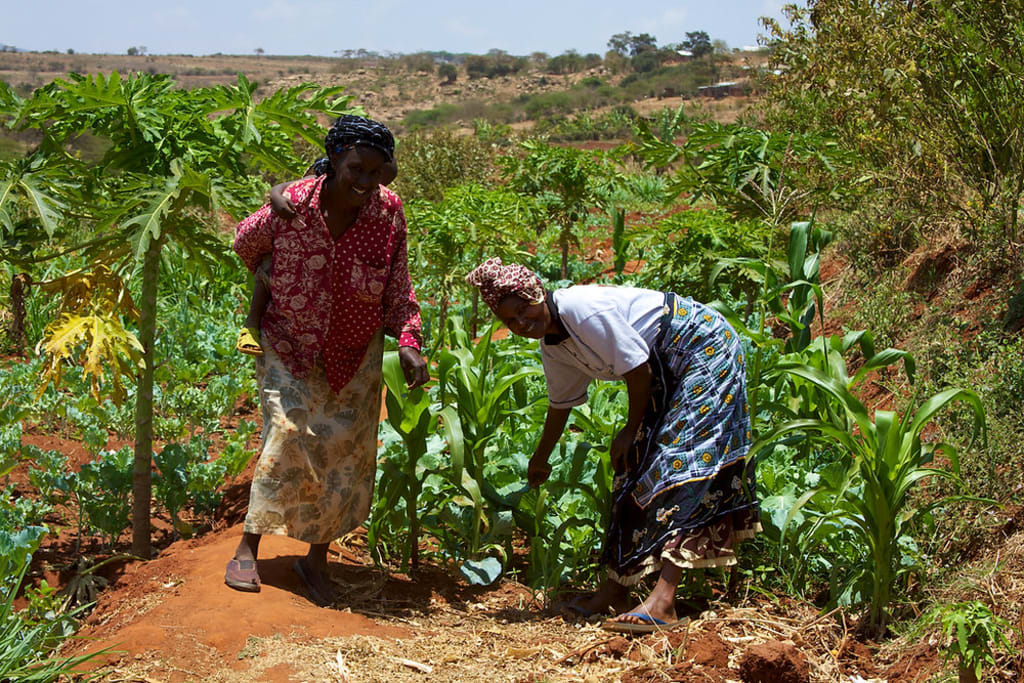
Starting a small farm might be beneficial. It enables you to lead a sustainable lifestyle, cultivate your food, and assist neighbourhood communities. Yet, figuring out where to start could also be challenging. This article will cover the methods for establishing and managing a small-scale farm.
Assess Your Goals and Resources
Knowing your goals for farming is crucial before you begin. Would you prefer raising animals, growing veggies, or doing both? Evaluate all of your assets, including money, time, and space. Knowing your goals will help you plan effectively.
Consider the size of your farm. A small-scale farm can consist of a few acres to several dozen. The size will change depending on what you need to grow or deliver. Ensure you have sufficient acreage for the dairy cattle and crops you want to raise.
Research and Plan
Research is vital in farming. Study up on the plants or animals you intend to nurture. Recognize their requirements, developmental stages, and probable difficulties. Long-term planning will save you both money and time.
Create a farm plan. This plan must cover what you plan to grow, where you plan to grow it, and farm management procedures. It should also consider elements like climate, water supplies, and soil quality, which will impact your farm's success.
Soil Preparation
Good soil is necessary for a farm to be successful. You may mail a sample to a nearby lab or purchase a soil testing kit. You might utilize the information to figure out what supplements your soil requirements.
Add organic materials, such as compost or manure, to your soil to help it become ready. This will benefit fertility and soil structure. Consistently check your soil's health to guarantee it can support your harvests.
Choose the Right Equipment
Selecting the appropriate equipment is essential. Large machinery might not be necessary for a small farm. However, some tools are important. A farm needs tractors as basic equipment. For small farms, the Mahindra Arjun Tractor offers excellent value at a reasonable cost.
Furthermore, the New Holland 5620 is still another fantastic choice. It provides versatility and efficiency for various farm tasks. Purchasing the appropriate tools helps simplify and expedite your task.
Planting and Growing
Now that your soil is prepared, plant. Select seeds or seedlings that are appropriate for your soil and environment. Follow planting guidelines to ensure optimal growth. Pay attention to spacing, depth, and watering needs.
Monitor your crops regularly. Seek out indications of illness, pests, or dietary deficits. Address these issues promptly to prevent crop loss. Consistent care and maintenance are key to a successful harvest.
Water Management
Water is necessary for plant development. Ensure you have a consistent supply of water, like a well, lake, or water gathering framework. With proficient water management, you'll save time and money.
If feasible, install an irrigation system. Drip irrigation greatly benefits small-scale farms. It delivers water directly to the roots, reducing waste. Regularly check your system for leaks or clogs to ensure optimal performance.
Pest and Weed Control
Pests and weeds might harm your crops. Executing an integrated pest management (IPM) plan, which includes utilizing a mix of synthetic, physical, and organic limitations, can be advantageous.
Encourage the beneficial insects that consume the pests. Use physical barriers like nets or row coverings to safeguard crops. Use insecticides sparingly if needed. Always follow guidelines to avoid harming beneficial organisms.
Weed control is also important. Mulching inhibits weed improvement and keeps moisture in the soil. Actual strategies for eliminating weeds, including digging or plucking, can also assist with monitoring weeds. By being watchful, you can ensure your crops flourish.
Livestock Management
If you intend to grow cattle, select animals appropriate for your property. Consider the space, feed, and care they will need. Common choices for small farms include chickens, goats, and sheep.
Build appropriate shelters for your animals. Ensure that they have access to hygienic food and drink. Check on them regularly and address any issues promptly. Happy, healthy animals will be more productive.
Marketing and Selling Your Produce
It's time to sell your cattle or crops when they are ready. Determine the market that you want to reach. These might be consumer-direct sales, nearby eateries, or farmers' markets.
Make a marketing strategy. Promote your items using social media, fliers, and word-of-mouth marketing. Building a loyal customer base will support your farm's growth and steady income flow.
Managing Finances
Farming can be financially challenging. Maintain thorough records of your earnings and cash outlays. This will help you understand your profitability and make intelligent decisions.
Look for ways to save money. You can do this by requesting subsidies, buying in bulk, and lending hardware to neighbours. Guaranteeing the long-term sustainability of your farm requires capable financial management.
Staying Educated and Adaptable
Farming is a continuous learning process. Stay informed about new techniques, crops, and technologies. Join local farming groups or online forums to share experiences and advice.
Be adaptable. Climate, markets, and other natural factors influence farming. However, if you are versatile and adaptable, you can overcome challenges and make progress.
Sustainable Practices
Sustainability is increasingly vital in cultivating. Embrace strategies that will protect your farm's long-term health and the climate. The crop rotation will safeguard soil fruitfulness and decrease bug issues. Lessen your utilization of chemicals by utilizing organic insecticides and manures. To keep up with soil structure, use protection techniques like cover crops and no-till cultivating. To decrease your carbon impression, consider renewable energy sources like solar or wind power. As well as being great for the climate, sustainable farming strategies benefit your farm by bringing down input expenses and attracting eco-aware clients.
Conclusion
Establishing a small-scale farm involves preparation, commitment, and labour. You may establish a profitable farm by evaluating your objectives, managing your crops and cattle, preparing your soil, and selecting the appropriate equipment. For small-scale farmers, the Mahindra Arjun Tractor price and the adaptability of the New Holland 5620 are great choices. A well-planned and managed small-scale farm may yield abundant, locally-grown vegetables for your community.
About the Creator
Keep reading
More stories from Mohit Gupta and writers in Art and other communities.
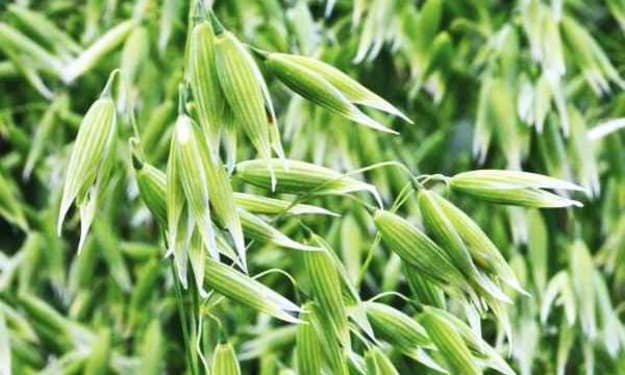
Oats Farming in India: Cultivation and Market Value
Oats are versatile crops, do well in varied climatic conditions, and require the most minor water. They boast high nutrient value, and their consumer base is quick in changing preferences toward health. Oats are primarily grown in Jammu and Kashmir, Himachal Pradesh, U.P., Bihar, and Odisha. Livestock identifies oats as an essential crop because it provides lush green, succulent, nutritious fodder. However, in the coastal regions, a short, less cold winter does not favor the crop well for development. Oat farming in India is allowing its farmers to exploit potential marketplaces. Let's delve further into the world of oats farming in India, its market value, what it has to offer, and the forthcoming future.
By Mohit Gupta2 years ago in Art
Snl art dealers sketch
There is a Saturday night live sketch that I like a lot called “The art dealers”. It is about a married couple who work together as art dealers who are eccentric and out of this world because they are so into their own world the hilariousness comes from their interactions with the outside world and trying to share their world with those around them. I love this sketch. From what I wish I was they are my ideal.
By Revista Miko:XCI by Rikki La Rouge2 days ago in Art



Comments
There are no comments for this story
Be the first to respond and start the conversation.