
Why Voice AI Is the Most Natural Channel for Next-Gen CX
Next-Gen CX
The Way Customers Actually Want to Communicate
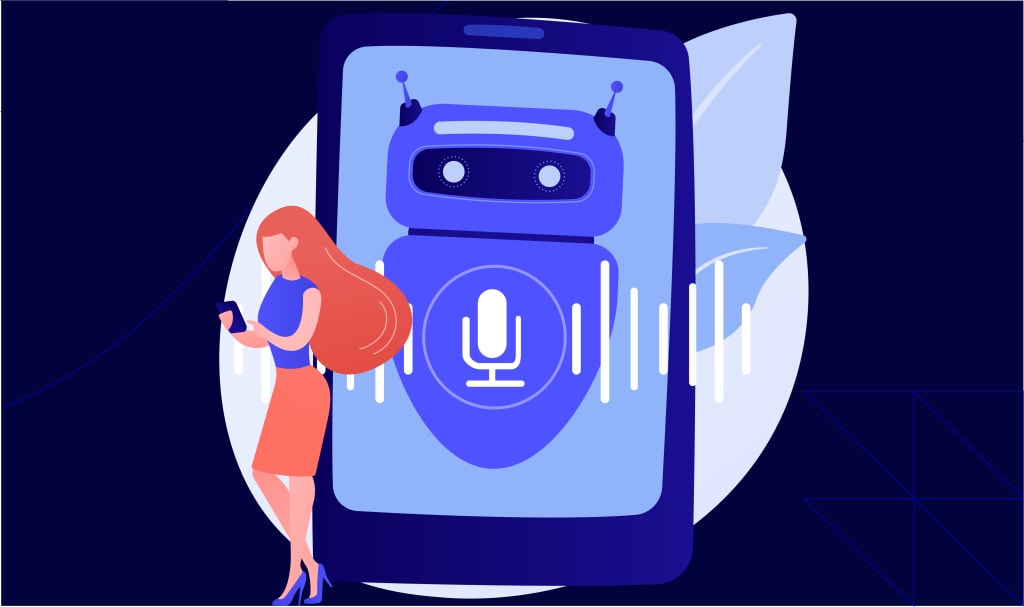
Customer experience has always followed human behavior. We speak before we write, listen before we type, and express emotion far more clearly through tone than through text. As digital interactions scale, brands are rediscovering this truth. Voice AI has emerged as the most natural communication channel for next-generation customer experience (CX) because it aligns with how people instinctively communicate—through conversation, not commands.
In an era where customers expect instant, effortless, and human-like interactions, voice-first experiences feel intuitive. Instead of navigating menus or typing detailed queries, users can simply say what they need. This shift is not about replacing human agents, but about removing friction and making digital interactions feel more human.
From Rigid Menus to Real Conversations
Traditional CX channels—email, chatbots, and ticketing systems—often force customers to adapt to the system. They require structured inputs, predefined options, and patience. Voice-driven systems reverse this dynamic. Customers speak naturally, using their own words, pace, and emotion.
Modern voice systems can understand intent, context, and nuance far better than early IVR systems ever could. Instead of “Press 1 for billing,” customers can say, “I need help understanding my last invoice,” and be routed correctly. This conversational flow reduces frustration and shortens resolution time, two critical CX metrics.
Emotion, Urgency, and Trust
One of the most powerful advantages of voice is emotional clarity. Tone, speed, and emphasis convey urgency and sentiment in ways text simply cannot. A calm request, an angry complaint, or a confused question all sound different—and advanced voice systems can respond accordingly.
This emotional awareness allows brands to design smarter escalations. A frustrated customer can be routed to a live agent faster, while simple requests can be resolved automatically. When customers feel heard and understood, trust increases, and trust is the foundation of long-term brand loyalty.
Speed Without Sacrificing Personalization
Customers value speed, but not at the cost of relevance. Voice-driven experiences strike this balance well. Speaking is faster than typing, and listening is often easier than reading—especially on mobile devices or while multitasking.
Voice systems can also personalize interactions in real time by referencing account history, preferences, and past interactions. A returning customer doesn’t need to repeat themselves. The experience feels continuous rather than fragmented, which is a major improvement over many existing CX workflows.
Accessibility and Inclusion by Design
Voice is also one of the most inclusive digital channels. It removes barriers for users who struggle with typing, reading, or navigating complex interfaces. For visually impaired users, elderly customers, or people interacting on the go, voice offers a more accessible way to engage with brands.
By supporting natural speech instead of technical inputs, companies can serve a broader audience without creating separate experiences. Inclusive design is no longer optional—it is a competitive advantage, and voice plays a key role in achieving it.
Always-On Support That Scales
Next-gen CX must be available when customers need it, not just during business hours. Voice-enabled systems can operate 24/7, handling high volumes without long wait times. This scalability is essential as customer bases grow and global audiences expect consistent service.
Importantly, automation does not mean impersonality. Well-designed voice experiences feel responsive, polite, and context-aware. When combined with human support for complex cases, voice becomes a powerful extension of the CX team rather than a replacement.
The Future of CX Is Conversational
As expectations evolve, customers will continue to gravitate toward channels that feel effortless and human. Voice represents a return to the most natural form of interaction—conversation—enhanced by technology rather than constrained by it.
Brands that embrace voice-first CX are not just adopting a new channel; they are aligning their customer experience with how people naturally communicate. In the next generation of CX, the brands that listen—and respond—will be the ones customers remember.
About the Creator
Keep reading
More stories from Ayush Bagwari and writers in Art and other communities.
How to Strengthen Your Immune System Naturally
A strong immune system is essential for staying healthy in a world where stress, fast-paced routines, and environmental factors constantly challenge our well-being. While many people associate immunity with supplements or medications, the foundation of a resilient immune response is built through daily lifestyle habits. The immune system is complex, and it relies on a combination of nutrition, sleep, physical health, stress management, and mindful choices. Understanding how these elements work together can help you support your body more effectively and naturally.
By Ayush Bagwari3 months ago in Art
Snl art dealers sketch
There is a Saturday night live sketch that I like a lot called “The art dealers”. It is about a married couple who work together as art dealers who are eccentric and out of this world because they are so into their own world the hilariousness comes from their interactions with the outside world and trying to share their world with those around them. I love this sketch. From what I wish I was they are my ideal.
By Revista Miko:XCI by Rikki La Rougea day ago in Art




Comments
There are no comments for this story
Be the first to respond and start the conversation.