Bestonpyrolysis
Bio
Engaged in waste plastic/tyre/rubber recycling, oil sludge treatment, biomass recycling, sewage sludge management and paper recycling…
https://bestonpyrolysisplant.com/
Stories (51)
Filter by community
Oil Sludge, Clean Profits: The Rise of Pyrolysis in Waste Recovery
In the global oil and gas sector, the issue of oil sludge treatment is becoming increasingly critical. As environmental regulations grow stricter and sustainability becomes a core pillar of industrial responsibility, effective management of petroleum-derived waste—especially oil sludge—is no longer optional but essential.
By Bestonpyrolysis8 months ago in Journal
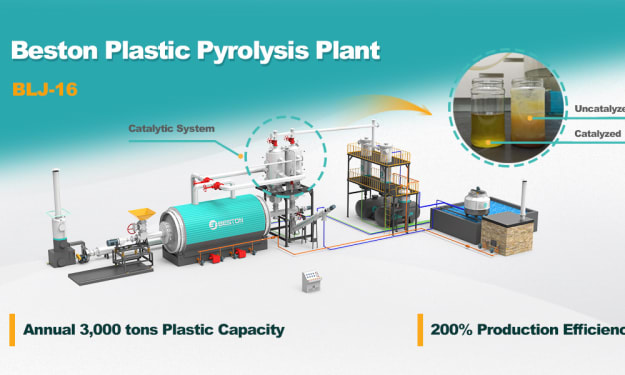
Rethinking Plastic Waste: The Rise and Design Evolution of Plastic Pyrolysis Equipment
In the age of environmental urgency, plastic waste has become one of the most daunting global challenges. From single-use packaging to industrial polymers, the accumulation of non-biodegradable plastic is choking ecosystems and overwhelming landfills. Enter plastic pyrolysis equipment—a transformative technology that not only addresses plastic pollution but also contributes to circular economy efforts by converting waste into usable fuel.
By Bestonpyrolysis8 months ago in Journal
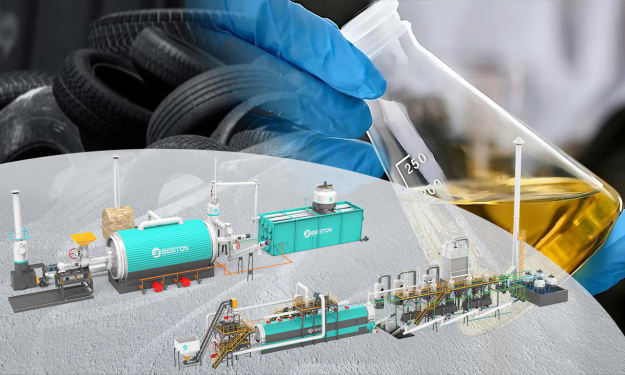
Why Tires Produce Oil More Efficiently During Continuous Pyrolysis
Tires are complex composite materials, made up of a mix of natural rubber, synthetic rubber, carbon black, oils, and other additives. When it comes to recycling or converting old tires into valuable products, one of the most promising methods is pyrolysis. This high-temperature process breaks down the complex chemical structure of the tire, transforming it into smaller molecules that can be refined into oil, gas, and other useful by-products.
By Bestonpyrolysis8 months ago in Journal
Why Can Plastic Macromolecules Be Broken Down into Small Molecule Oils through Pyrolysis?
Plastics are ubiquitous in modern society, offering excellent properties that make them indispensable in countless applications. However, the widespread use of plastics also leads to a major problem—their difficulty in biodegradation, which contributes significantly to environmental pollution. To address this issue, scientists have been exploring ways to treat plastic waste, and one effective method is pyrolysis, which transforms large plastic molecules into smaller molecular oils.
By Bestonpyrolysis8 months ago in Journal
Biochar vs Charcoal: Which Is Greener for the Planet?
As global conversations around sustainability, climate change, and ecological restoration grow louder, it becomes increasingly important to re-evaluate everyday materials and practices. One such comparison that often comes up in environmental circles is between biochar and charcoal. Though they may look and even smell similar, these two carbon-rich substances are vastly different in terms of their environmental impact, purpose, and long-term benefits.
By Bestonpyrolysis9 months ago in Earth
Variety of Feedstocks for Biomass Pyrolysis
Biomass pyrolysis is a promising process for converting organic materials into valuable products, including bio-oil, biochar, and syngas. These products offer alternatives to fossil fuels and have applications in energy production, soil enhancement, and chemical manufacturing. The process itself involves heating organic materials in the absence of oxygen, which leads to the thermal decomposition of the biomass. One of the key factors in optimizing biomass pyrolysis is the choice of feedstock.
By Bestonpyrolysis11 months ago in Earth
Pyrolysis Machinery: Industry-Standard Industrial Design
The advancement of pyrolysis technology has revolutionized the way industries address waste disposal, energy generation, and resource recovery. As the demand for more sustainable and efficient waste management systems continues to grow, the role of pyrolysis machinery becomes even more critical. However, the success of these systems is not only determined by their technical capabilities but also by the quality of their industrial design. This article explores how industrial design standards influence the performance, safety, and efficiency of pyrolysis machinery, ensuring that they meet both environmental and operational requirements.
By Bestonpyrolysisabout a year ago in Earth
Adverse Effects of Excessively High or Low Temperatures in Biochar Pyrolysis Equipment and How to Avoid Them
Temperature plays a crucial role in the efficiency and quality of biomass pyrolysis when using biochar pyrolysis equipment. Deviations, whether too high or too low, can lead to significant drawbacks. This article examines the adverse effects of temperature imbalances during pyrolysis and provides practical solutions to address them.
By Bestonpyrolysisabout a year ago in Earth
Torrefaction: A Semi-Carbonization Process for Biomass Optimization
In the quest for renewable energy solutions and sustainable waste management, torrefaction has emerged as a valuable process for improving biomass utilization. Often discussed in the context of bioenergy, torrefaction is sometimes referred to as "semi-carbonization." But what exactly does this mean, and how does it contribute to more efficient biomass processing?
By Bestonpyrolysisabout a year ago in Earth
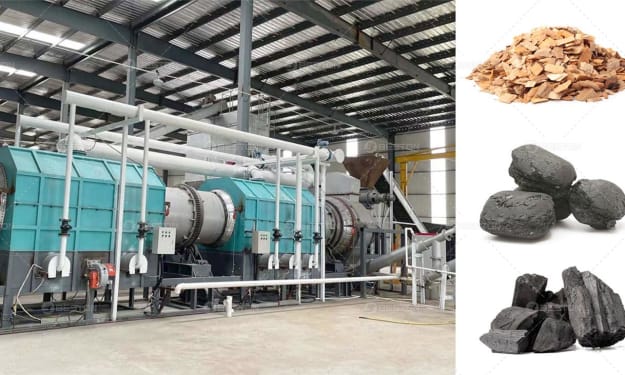
Innovative Wood Pyrolysis Plant Design at Beston Group
The wood pyrolysis plant developed by Beston Group represents a cutting-edge approach to turning wood waste into valuable byproducts such as biochar, wood vinegar, and syngas. As the world moves toward sustainable practices, Beston’s design aims to address environmental concerns while providing economic opportunities through waste-to-resource technology. In this article, we’ll dive into the key features of Beston’s wood pyrolysis plant design and how it can benefit both industries and the environment.
By Bestonpyrolysisabout a year ago in Earth
Pyrolysis: Paving the Way for a Low Carbon and Circular Economy Future
As the world grapples with the escalating impacts of climate change and resource depletion, innovative waste management solutions are more crucial than ever. Pyrolysis, a thermochemical process that decomposes organic materials in the absence of oxygen, emerges as a key technology in creating a low carbon and circular economy. By transforming waste into valuable products, pyrolysis not only reduces environmental impacts but also fosters sustainable economic growth.
By Bestonpyrolysisabout a year ago in Earth
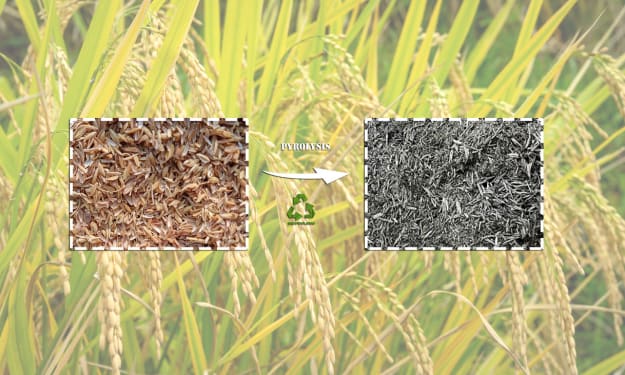
Rice Husk Pyrolysis Recycling and Sustainable Development Goals
Rice husk, a byproduct of rice milling, is a significant agricultural waste that poses disposal challenges and environmental concerns. Traditionally viewed as a nuisance, rice husk is often burned, leading to air pollution and waste of valuable resources. However, through pyrolysis, rice husk can be transformed into valuable products, contributing to the achievement of several Sustainable Development Goals (SDGs) and promoting a circular economy.
By Bestonpyrolysisabout a year ago in Earth