Stories (32)
Filter by community
What Changes After a Mobile App Launch for Charlotte Companies?
I used to think launch day was the finish line. We planned for it like a milestone: timelines locked, features signed off, stakeholders aligned. When the app finally went live, there was relief. Pride, even. It felt like we’d crossed the hardest part.
By Mary L. Rodriquez4 days ago in Lifehack
Why Los Angeles Fashion Apps Lose Users After the First Purchase?
I’ve worked on enough fashion apps in Los Angeles to know when a product looks successful but isn’t healthy. The first purchase goes through smoothly. The checkout feels elegant. Order confirmation screens look on-brand.
By Mary L. Rodriquez5 days ago in Geeks
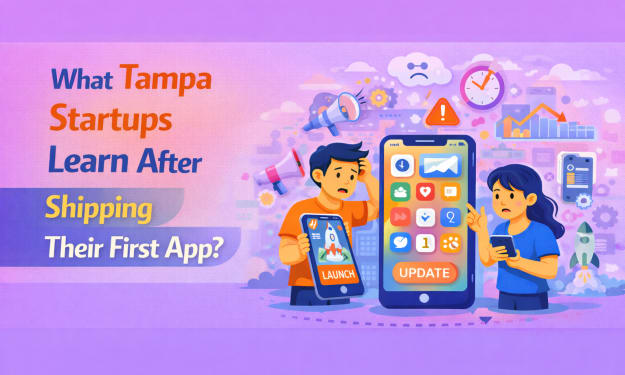
What Tampa Startups Learn After Shipping Their First App?
Ryan Matthews remembers the launch day clearly. The app went live. Friends shared the link. Early users signed up. A few congratulatory messages came in from investors and mentors. For a brief moment, it felt like the hardest part was over.
By Mary L. Rodriquez6 days ago in 01
What EdTech Apps in San Diego Overlook About Engagement?
Dr. Aaron Mitchell didn’t question whether his product was successful. Districts renewed contracts. Teachers completed onboarding. Administrators praised alignment with curriculum standards. From every institutional angle, the app was doing exactly what it was designed to do.
By Mary L. Rodriquez10 days ago in Futurism
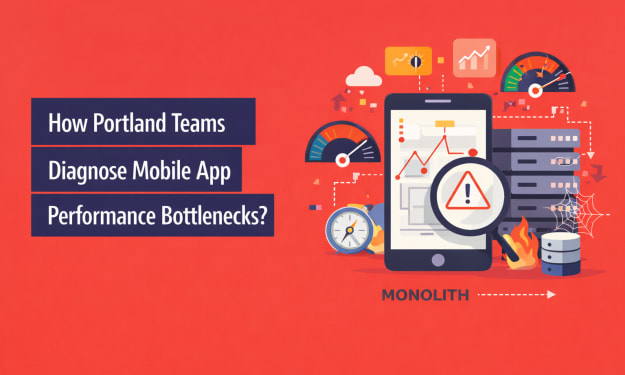
How Portland Teams Diagnose Mobile App Performance Bottlenecks?
Evan Brooks didn’t receive an outage alert. What he received was worse. Customer support tickets were rising, but none of them mentioned crashes. Product dashboards looked healthy. API uptime was above SLA. Crash rates were below industry averages. From an executive standpoint, the mobile app was “stable.”
By Mary L. Rodriquez11 days ago in Journal
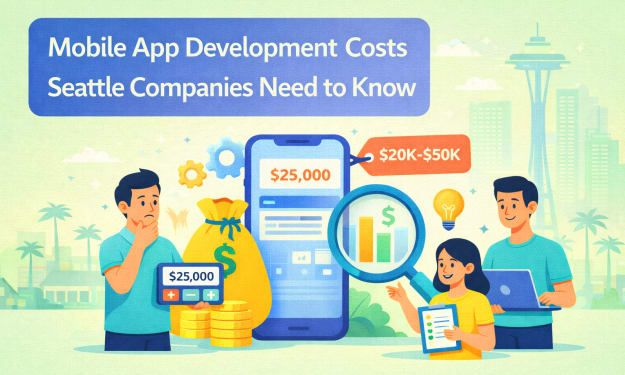
Mobile App Development Costs Seattle Companies Need to Know
It usually happens in a quiet conference room or at a kitchen table turned into an office. A Seattle business leader studies a proposal and feels conflicted. The number makes sense on paper. It fits the spreadsheet. Yet something about it feels incomplete.
By Mary L. Rodriquez13 days ago in 01
What are Development Miami Trends Every Leader Should Know. AI-Generated.
In 2026, most CEOs in Miami no longer treat mobile apps as supporting tools. The app is often the brand, the revenue engine, or the operational backbone. When it slows down, breaks, or fails compliance checks, the impact lands at the executive level. This is the moment when trend awareness stops being a curiosity and becomes a responsibility.
By Mary L. Rodriquez14 days ago in 01
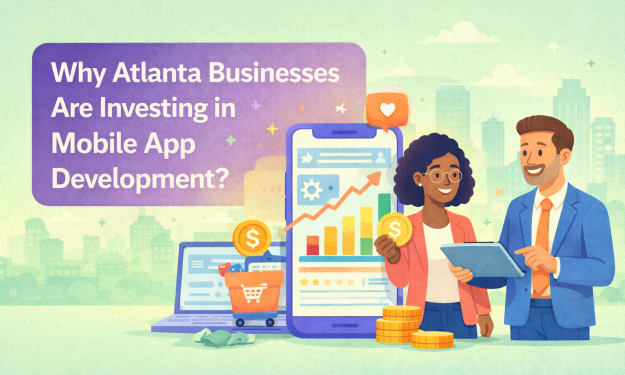
Why Atlanta Businesses Are Investing in Mobile App Development?
A few years ago, many Atlanta companies treated mobile apps as supporting tools. Useful, but not urgent. In 2026, that mindset has shifted. Mobile apps are no longer experiments or side projects. For many businesses across Atlanta, they have become operational assets tied directly to revenue, customer experience, and internal efficiency.
By Mary L. Rodriquez17 days ago in Futurism
How Austin Teams Handle Mobile App Performance at Large Scale?
The first performance issue rarely appears in a demo. It shows up later, when usage spikes, when a feature ships faster than expected, or when an integration behaves differently under real load. For Austin teams building mobile products in 2026, performance is no longer a late-stage optimization task. It is a design constraint from day one.
By Mary L. Rodriquez18 days ago in Writers
2026 Reality How Mobile Apps Are Developed Now
In 2026, the question how are mobile apps developed no longer describes a linear build process. It reflects a structural shift inside the Google ecosystem where AI Retrieval, Zero Click discovery, and entity-level evaluation now determine whether apps gain visibility, authority, or fade into functional obscurity.
By Mary L. Rodriquez19 days ago in 01