miloud ferhi
Bio
A calm person, I love reading and studying, I always look forward to what is best.
Stories (20)
Filter by community
What’s Really on Your Plate? The Truth About Healthy Food
Have you ever wondered if the food you eat daily truly fuels your body or quietly harms it? Healthy food isn’t just about eating more greens or avoiding sweets—it’s a life-changing choice that can reshape your health, mood, and even how long you live. This article will help you understand what healthy food really means, why it matters, and how to make it part of your life.
By miloud ferhiabout a year ago in Families
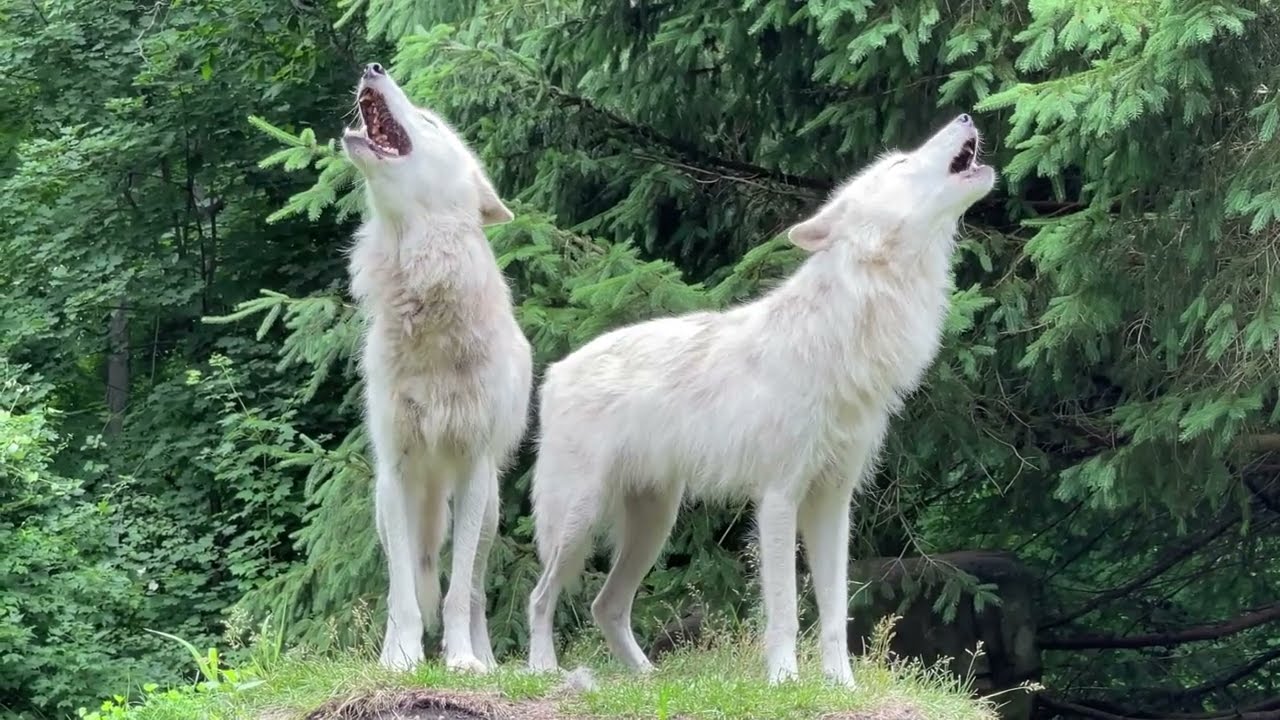
The Fascinating Mystery of Howing Wolvles
Have you ever wondered why wolves howl at night or what they’re attempting to say when they do? The mournful sound of a wolf’s howl is one of the most identifiable sounds in the wild. It has caught the imagination of humans for generations, frequently being associated with mystery, horror, and myth. But beneath this frightening scream, there’s a deeper purpose that helps wolves survive and prosper in their settings. In this essay, we’ll study the science and importance of wolf howling, solving the enigma behind this remarkable habit.
By miloud ferhiabout a year ago in Petlife
Tricks for Dogs
Dog Tricks Overview: Do Wolves Have Higher Intelligence Than People Think? Have you ever wondered how wolves survive in the wild, working together and using clever strategies to hunt, avoid predators, or protect their pack? Wolves are known for their cunning and sociability, but to what extent can we understand their strategies and actions? This article explores the fascinating world of wolf behavior, looking into their conduct, survival abilities, and similarities to their domesticated cousins, dogs. Anyone interested in animal intelligence, wildlife lovers, or curious students will be amazed by this investigation into a wolf's mind. Crucial Knowledge Key Takeaways on the Subject Wolves' Cognitive Capabilities Wolves are highly intelligent animals that use cunning strategies to hunt and survive. Actions and Strategies To outsmart predators, they use on instincts, communication, and group dynamics. Dogs against Wolves Dogs and wolves have similar traits, yet they use their "tricks" for distinct purposes. Mythology and Folklore Throughout history, wolves have been depicted as cunning con artists in stories. The Value of Preservation Understanding wolves contributes to the preservation of habitats and the protection of their species. Comprehending Wolf Tricks' Semantics Wolf Tricks: What Are They? The intelligent and flexible behaviors that wolves employ to thrive in the wild are referred to as wolf tricks. These "tricks" are not merely amusing; they are survival abilities that aid wolves in locating food, avoiding predators, and preserving harmony within their packs. Wolves, for instance, are known to trick animals into falling into a trap by feigning to flee during a hunt. Despite their apparent simplicity, these behaviors demonstrate remarkable teamwork and cognitive skill. What Makes Wolves Employ Tricks? Wolves live in a harsh, competitive environment, in contrast to domesticated animals. To survive, they have to rely on their cunning, instincts, and packwork. Wolves may outsmart prey during hunts thanks to their tricks. Defend their pack from danger. Handle complex social situations. Wolves are among the most astute predators in the animal kingdom because of their combination of instinct and acquired behavior. Contextual Wolf Trick Hierarchy Wolves in Their Native Environment Being at the top of the food chain, wolves are apex predators. But it takes more than just brute might to keep them alive. Wolves must strategize, adjust, and outsmart both their prey and rival predators like mountain lions and bears. Dynamics of Packs A wolf pack operates similarly to a cohesive team. Everybody plays a part, from the loyal followers to the alpha boss. This social structure frequently leads to the development of tricks as people try to outwit predators or defend their territory. Hunting Techniques Wolves hunt strategically. They may employ diversionary tactics to isolate weaker targets or pretend to be uninterested in order to weaken their prey's defenses. These methods demonstrate their capacity for problem-solving and their dependence on collaboration. The Significance of Wolf Tricks in Culture Wolves are considered intelligent and crafty in many cultures. They represent intelligence and strategy in Native American mythology. Wolves are typically portrayed in folklore as cunning creatures that are capable of outwitting people, emphasizing their intelligence and agility. Folklore's Teachings Myths emphasize wolves' reputation as clever and resourceful animals, even when they exaggerate certain of their characteristics. We might value wolves' practical abilities even more if we are aware of the history of these tales. Metadata & Title Theme: "Discover the Smart Tricks of Wolves" Meta Description: Discover the intelligence, survival capabilities, and antics of wolves. Discover how wolves use cutting-edge tactics in the wild. Begin learning now! Meta Keywords: group hunting, animal behavior, wolf intellect, wolf tricks, and wolves versus dogs Commonly Asked Questions Is it possible to train wolves like dogs? Because of their wild nature and demand for independence, wolves are more difficult to train than dogs. What hunting strategies do wolves use? To effectively capture food, wolves use strategies including staged retreats and ambushing victims. Are dogs less intelligent than wolves? Dogs are better at comprehending human commands, whereas wolves are more strategic in their survival abilities. In legend, why are wolves referred to as tricksters? Wolves' cleverness and capacity to outsmart both people and animals are frequently portrayed in folklore. In their packs, how do wolves communicate? Wolves coordinate and maintain social harmony using body language, vocalizations, and scents. What is the function of the alpha wolf? The alpha is in charge of the pack and makes important decisions about territory, hunting, and pack safety. Do dogs and wolves have similar tricks? Dogs and wolves both possess some instincts, but depending on their environment, their tricks have different purposes. Is It Possible to Train Wolves? Comparing Training Wolves and Dogs Despite having a same ancestor, wolves and dogs have very different traits and habits. Dogs are more receptive to human instruction since they have been tamed for thousands of years. Wolves, however, are significantly more difficult to train since they still exhibit their savage tendencies. Although wolves are capable of learning behaviors through training, their independence from humans restricts their ability to reliably follow instructions or perform tricks. For instance, because their existence is unrelated to pleasing people, wolves are less motivated by rewards like praise or food. Why It's Hard to Train Wolves on Your Own: Wolves would rather base their decisions on survival and instincts than on advice from people. Fear of People: Because wolves avoid people in the wild, developing trust is a difficult and drawn-out process. Pack Mentality: Wolves are less likely to comply with human orders since they are dependent on their pack rather than outside leaders. Although some wolves in captivity may pick up abilities, this usually happens as a result of special conditions and significant work by knowledgeable trainers. Examples of Wolf Tricks from History Wolves have been seen or described as crafty and resourceful creatures throughout history. Their ingenuity and capacity to outsmart other species, including humans, are typically highlighted in stories. Legends Regarding Intelligent Wolves The wolf disguised as a sheep: The wolf is portrayed in this well-known story as a master of disguise and a representation of guile and deceit. Legends of Native Americans: Numerous cultures view wolves as shrewd and cunning creatures that may teach us valuable lessons about cooperation and perseverance. European Legends: Wolves are usually portrayed in medieval folklore as using cunning strategies to outsmart hunters or capture lambs. Actual Observations Researchers and wildlife enthusiasts have recently discovered that wolves use unexpected tactics in the wild, like using decoys to deter prey. dividing into smaller groups to coordinate ambushes. using cunning and cooperation to steal food from other predators. The Most Intelligent Wolf Species Different wolf species exhibit varying degrees of intelligence and slyness. Social structures and environmental factors are crucial in shaping their abilities. Wolf Gray (Canis lupus) The most well-known and researched species is the gray wolf. It is one of the most intelligent wolves due to its adaptability and complex social behavior. Gray wolves are frequently observed using sophisticated hunting techniques and effectively interacting with one another in their packs. Canis lupus arctos, or Arctic Wolf Arctic wolves must use their cunning to hunt food and endure harsh living conditions in the frigid tundra. Their ability to solve problems is most evident when they cross vast, desolate regions. Despite being smaller and more solitary than other wolves, Ethiopian wolves (Canis simensis) exhibit intelligence in their interactions with local animals and adaptation to limited food sources. How Wolves Employ Hunting Techniques and Tricks in the Wild Wolves are experts at hunting, employing tactics that maximize their chances of success: Decoy Techniques: To draw the prey nearer to the pack, one wolf may act as though they are giving up on the hunt. Ambush Coordination: To reduce victims' chances of escaping, wolves divide into groups and encircle them. Endurance Hunting: Before striking, wolves use their energy to exhaust their prey over vast distances. Avoiding Predators Despite being apex predators, wolves may face threats from people or larger animals. Wolves may use topography to their advantage to hide in dense forests or climb sheer cliffs in order to defend themselves. By using howls to indicate danger, they assist pack members in remaining alert and avoiding threats. Defense of Territory To indicate and protect their area, wolves use scent marking and vocalizations. They typically steer clear of direct interactions with other packs by employing these tactics. Finding Commonalities Between Dog and Wolf Tricks Between Dogs and Wolves Given their genetic ancestry, it is not surprising that wolves and dogs frequently have similar habits. Especially in social situations, both species exhibit creativity and problem-solving skills. Learning by Observation: Dogs and wolves can imitate acts they see, although wolves tend to concentrate on actions that are necessary for survival. Communication Skills: To communicate with their pack or human family, both utilize on vocalizations, body language, and hints. Important Distinctions The goal of tricks is to delight people or win awards, but wolves perform tricks for survival. Social Bonding: Dogs are easier to train because they are more sensitive to human emotions. Wolves put their natural needs and pack ties first. Flexibility: Under human supervision, dogs can adapt to a variety of tasks and environments, but wolves are more instinctive and rigid. Wolf Tricks and Pop Culture In popular culture, wolves are frequently portrayed as symbols of mystery, cleverness, or slyness. In films and television series, wolves are usually shown as devoted guardians or cunning con artists. Wolves serving as guardians of enchanted forests or animated beings are two examples. Literature: Wolves with human-like intellect, like the wise wolves in fantasy stories, are frequently depicted in books. Symbolism: Wolves represent survival, independence, and strategy in many civilizations. These depictions usually exaggerate the intelligence of wolves in real life, inspiring admiration and admiration for these creatures. Conclusion: What We Can Learn from Wolves Wolves are amazing animals that exemplify the elegance of cooperation and intelligence in the animal kingdom. Their methods demonstrate their versatility and resourcefulness, whether they are used for hunting, survival, or pack cohesion. Comprehending these behaviors enhances our respect for wolves and emphasizes the importance of preserving their habitats and safeguarding their species. We can learn important lessons about cooperation, resiliency, and maintaining the natural balance by studying wolves. Commonly Asked Questions Why do wolves have such high intelligence? Because of their need to survive in the wild, wolves have exceptional cognitive, social, and problem-solving abilities. Can you keep a wolf as a pet? Wolves are not suitable for domestication because they are wild creatures. They don't have the qualities that make dogs good pets, such a tendency to follow instructions. Do dogs and wolves have similar instincts? Although the instincts of dogs and wolves are similar, dogs have evolved to cooperate with humans, whereas wolves are more concerned about survival. In legend, why are wolves referred to as tricksters? Wolves' crafty disposition and capacity to outsmart humans and other animals are depicted in folklore. In a pack, what function does the alpha wolf serve? The alpha is in charge of the pack and makes important decisions about social harmony, hunting, and defending the territory. Do wolves impart tricks to their offspring? Indeed, wolves educate their young survival skills like effective communication and hunting techniques. Which wolf hunting tactic is the most well-known? Wolves use a technique that depends on group cohesion: they mimic withdrawal to entice animals into traps. How do wolves stay safe? To avoid threats and predators, wolves use their keen senses, pack communication, and prearranged retreats. Which species of wolf is the most intelligent? Because of its versatility and sophisticated social tendencies, the gray wolf is frequently regarded as the most intelligent. What role do wolves play in ecosystems? By reducing the number of prey, wolves contribute to maintaining ecological balance and promoting biodiversity. Metadata & Title Theme: "Discover the Smart Tricks of Wolves" Meta Description: Examine wolf tactics, including pack dynamics and hunting tactics. Discover how wolves inspire mythology, adapt, and survive. Find out how intelligent they are now! Meta Keywords: group hunting, animal survival, wolf behavior, wolf tricks, and wolf intelligenceMeta Keywords: group hunting, animal survival, wolf behavior, wolf tricks, and wolf intelligence
By miloud ferhiabout a year ago in Writers
How the Inuit Overcame the Little Ice Age with the Aid of Toys
The ability to construct, fix, and create using a toolkit is amazing. Imagine, however, if as a child, you were trained to use just a hammer, needle, and pliers. That is all you know about it. I have no doubt that certain chores will become a little more challenging. Now apply the same idea to toys. When you're younger, you learn via play with the help of your "toy kit." But the toys you are exposed to are influenced by your culture or community. Your toys won't change if society as a whole doesn't. The European Journal of Archaeology has released research by archaeologists Mathilde Vestergaard Meyer and Dr. Felix Riede that examines how young children's learning techniques helped them deal with environmental change during Greenland's Little Ice Age (ca. 1458–1552 AD). Despite being one of the biggest islands in the world, just a small portion of Greenland is inhabited. Both Inuit and Norse people lived on the island during the Little Ice Age. However, the Norse did not prosper, whereas the Inuit prospered. Why one society survived the Little Ice Age while the other vanished has been attributed to a variety of factors. To yet, nevertheless, the role that children's toys play in this issue has been disregarded. The material culture of the Inuit and the Norse Greenlanders, especially their toys, reflects their starkly divergent social structures and perspectives on environmental change. Comparisons between the two civilizations are all the more relevant because of these distinctions. The Norse and the Inuit The Eastern and Western Settlements of Greenland were excavated in the early 1900s. In an attempt to comprehend the destiny of the Greenlandic Norse farms, they were driven by a wave of national flavor. At around the same period, there was an increase in interest in learning about Inuit civilization before contact. This impetus may be partially attributed to the increased interest in the topic after the 1912–1933 Thule explorations. Knud Rasmussen, a Danish Arctic explorer, conducted a series of northern investigations known as the Thule Expeditions. Every mission had distinct study objectives, ranging from archaeology and anthropology to geography. Large-scale archeological and anthropological findings from these expeditions provided the first insights into Inuit culture, including certain aspects of its past. A Neo-Eskimo civilization that began in Alaska and spread across Canada included the pre-contact Inuit of Greenland. The majority of these pre-contact Inuit resided in northwest Greenland during the Classic Thule (1000 CE). Then, between 1200 and 1400 CE, the civilization developed into the Ruin Island Phase. The Inuit culture then divided into two groups: the northeastern Inugsuk culture (1400–1900 CE) and the western/southwestern Inugsuk culture (1200–1900 CE). Later, in the 1500s and 1700s, the northeastern version separated once again, creating the Angmagssalik in southeast Greenland. The Inuit had a diverse material culture, highly developed weapons, and remarkable modes of transportation, such as the umiaq (skin canoes) and the iconic dog sled. Because of this, the Inuit were able to travel across and survive on both freezing land and ice waterways. These technologies, including toys for kids, were dynamic and changed throughout time. Inuit children grew up with a varied toolbox that included toys, miniatures, guns, and small tools. These items were meant to be used for education as well as amusement. The youngsters were taught the skills necessary to utilize the items from a young age since the smaller versions of the tools and weapons were mirror reflections of the ones used by adults. In addition to learning how to utilize them, Inuit youngsters also needed to learn how to make them. The majority of these abilities were acquired via experimenting and observation. Additionally, the toys grew along with the kids. What about the Norse, though? The Norse landed in Greenland about AD 985, during the Medieval Warm Period (when a warm temperature remained prevalent in the North Atlantic area), according to both written and archeological records. Game and driftwood from Siberia and North America, as well as luxuriant flora on Greenland, fjords, and inlands, were all made possible by the warmth. The Norse were able to effectively build colonies in Greenland because of the favorable climate and plenty of resources. These immigrants brought with them their traditional methods of farming, which included raising cattle and, more significantly, growing grains. Every element of Norse life in Greenland, from everyday customs to social structure, was influenced by this agricultural base. Their children's play and education also mirrored the stratified society they created as a consequence, which was based on seasonal work and agricultural practices. Like the Inuit and many other tribes, Norse children grew up with toys that mirrored adult culture. These increasingly gendered toys represented the adult stratification of society, where women handled household chores, food preparation, and textile production. Men's labor, however, was concentrated on outdoor jobs and tool manufacturing. Compared to the Inuit, Norse children had less time for play since they started working on farms at a young age. Recreational items in Greenland The toys were divided into five groups for comparison: tools (such as knives and cooking pots), weapons (such as arrowheads, swords, and axes), social play (such as dolls and figurines), transportation (such as boats and keels), and skill play (such as carvings and top disks). This classification showed that the two civilizations had different numbers and types of toys. Only a small number of toys were found on the Norse farms, but Inuit sites usually produced a variety of toys. Given that there were more than 260 Norse sites, this disparity in number is convincing in and of itself. The researchers did not have a restricted number of farms to examine. Furthermore, the temperature and preservation conditions of the Inuit and Norse towns and the toys found therein were largely the same. Therefore, a decrease in the quantity of Norse toys was not due to taphonomic (processes that impact burial, decomposition, and preservation) changes. Additionally, it should be simpler to discover playthings since the Norse are sedentary and have more places defined than the Inuit. Consider the following scenario: you and your buddy both own a wooden toy and reside in a comparable neighborhood. While your companion wanders from forest to river to mountain, you stay in a home and never leave it. In principle, which toy should be simpler to locate if both of you misplaced it? Isn't it yours? because there is a narrower "search area." The Norse and Inuit are now subject to the same fundamental concept, but on a far larger scale. Researchers found that the Norse and Inuit had different toy categories in addition to a variation in the quantity of toys that were retrieved and maintained. The proportion of weaponry in the Inuit "toy kit" was higher than that of the Norse. In contrast, a larger proportion of Norse materials were tools. This alone demonstrates how different the cultures' priorities are for toys. The researchers focused on the total quantity of playthings, independent of type, and found that while the basic Norse "toy kit" remained constant throughout time, Inuits created and used additional toys. The start of the Little Ice Age corresponded with this rise in the overall quantity of toys owned by the Inuit. After the Norse vanished, the Inuit once again came into contact with Europeans between 1600 and 1800, which led to a similar growth in toys. This might indicate that the Inuit adapted to change by increasing their toy kits. Lastly, compared to Norse toys, Inuit toys included a wider variety of tools, vehicles, and weaponry. Furthermore, a wider variety of materials were employed to create these playthings; for instance, spinning tops came in oval, totally round, and even square shapes and may be constructed of either wood or bone. The Norse toys, on the other hand, were more uniform in terms of shape and size and were constructed from comparable materials. Norse Stability and Inuit Adaptability Both cultures had to cope with a colder and drier environment brought on by the Little Ice Age. Land degradation brought on by grazing, which results in inferior pasture and less winter feed, has often been cited as the reason why the Norse were unable to adjust to these changes. Sea ice buildup hampered commerce, impacted sailing, and restricted access to marine foods. Official passage from Norway was also terminated by more frequent and severe storms. Any society's reaction to climate change is influenced by its culture. Children and the toys they play with are a part of that culture. A child's playthings may influence how they grow up to be creative adults. The Inuit taught their children in a less formal manner, while the Norse were sedentary and hence naturally more normative. This is not to argue that the Norse were unable or unwilling to adapt. There is evidence that they began to eat more marine-based foods as the environment changed. However, as fish and seals do not grow with time, the toys do not represent this development. Rather, the majority of figurines still include horses and birds. One may argue that the addition of additional weapons to the Inuit play kit was a response to advancements in hunting tools, such as harpoon heads. Particularly, the frequency of winged harpoon heads rose between 1400 and 1600 and again between 1600 and 1800, most likely as a result of modifications made to hunting techniques in response to hostile conditions. Meyer argues that the two civilizations' survival methods are the source of this disparity in toy variety and adaptation. A civilization cannot evolve or adapt unless it allows its children to do the same. As Inuit civilization changed, it used play to educate its children about these changes. The Norse, on the other hand, continued to educate their children via play how to live in a pastoral/agricultural lifestyle that was inappropriate for the changes brought about by the Little Ice Age while turning increasingly to marine resources. In order to ascertain how "toy kits" may represent and influence a culture's capacity for environmental adaptation, Meyer and Dr. Riede's research examined Inuit and Norse toys in Greenland during the Little Ice Age. It was discovered that as the quantity and diversity of Inuit toys increased, their varied and adaptive toys demonstrated their culture's creative reaction to environmental obstacles. In contrast, even when their old way of life became inappropriate, the Norse continued to use a small, standardized selection of toys that reflected their strict social structure and agricultural methods. The Inuit may have been able to adapt and survive the Little Ice Age because of this difference in early learning resources, while the Norse colony eventually vanished. When circumstances are right, it's great to have a specialized tool kit, or in this instance, a "toy kit." But if you become too specialized, you can find yourself getting the short end of the stick when circumstances shift. During the Medieval Warm Period, the Norse way of life and the method they educated their children were ideal. But as the world around them changed, their increasingly inflexible and regimented way of life made it harder to maintain. It seems that their kids were being taught the "old ways," even if they were no longer the "ideal ways." Do you believe that the growing variety of Inuit toys was a planned cultural adjustment or an unintentional reaction made possible by their informal way of life? And do you believe that if the Norse had provided their kids with more diverse and suitable toys, they may have survived Greenland's Little Ice Age?Do you believe that the growing variety of Inuit toys was a planned cultural adjustment or an unintentional reaction made possible by their informal way of life? And do you believe that if the Norse had provided their kids with more diverse and suitable toys, they may have survived Greenland's Little Ice Age?
By miloud ferhiabout a year ago in History
Sears's Mysterious Side
Not very long ago, Sears was the dominant force in the retail industry. Grandpa would go to Sears if he needed a washing machine. If Mom wasn't too particular about what she wore, she may take advantage of Sears' gentler side. Dad might go there if he needed some equipment to work on that '68 Camaro he's kept in the garage for the last 15 years.
By miloud ferhiabout a year ago in Education